Shopping Cart
(0)
Free shipping included — no minimum on any US order

Quick Search:

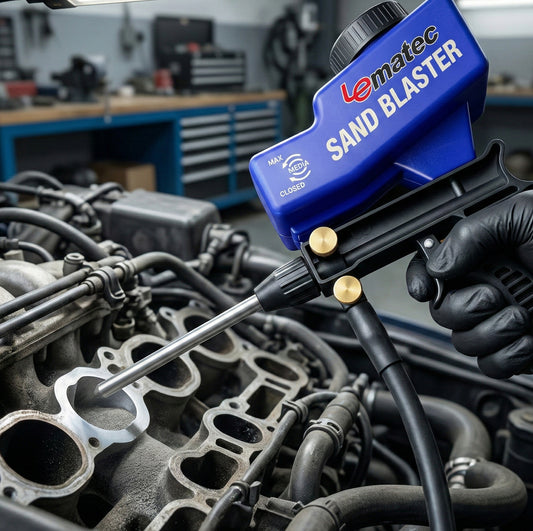
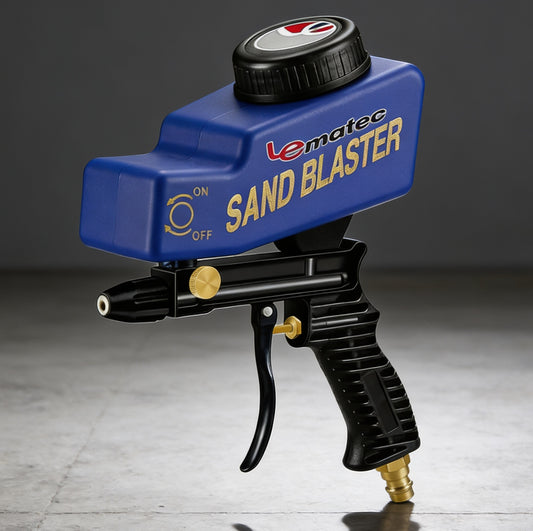
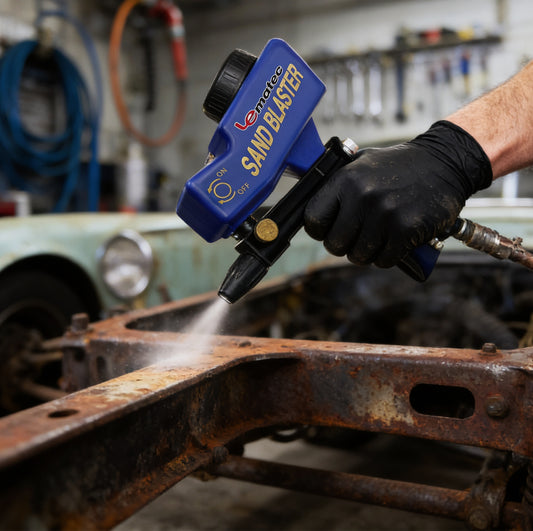
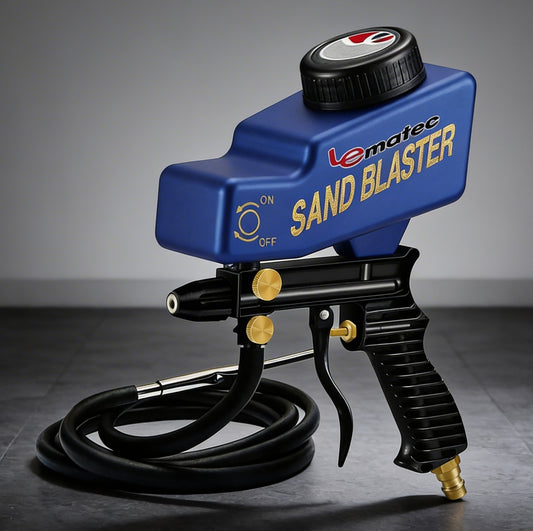
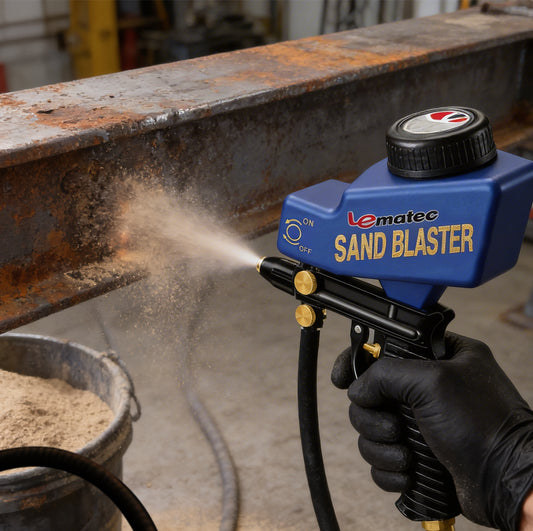
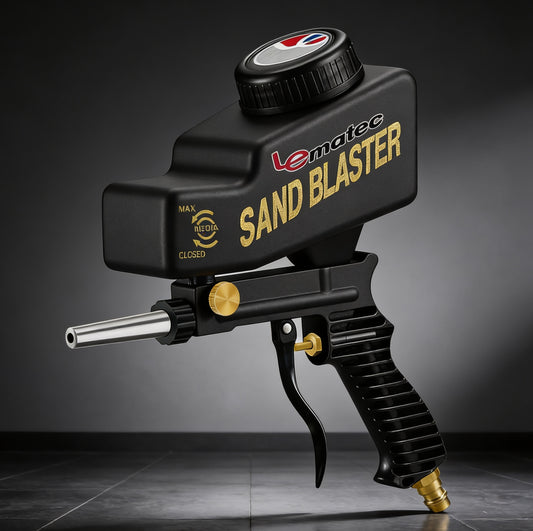
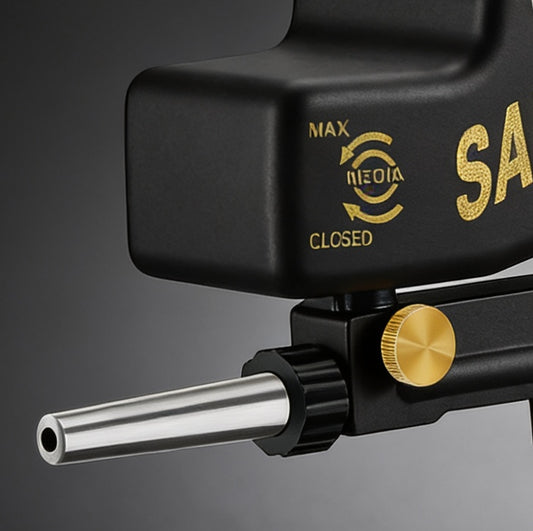
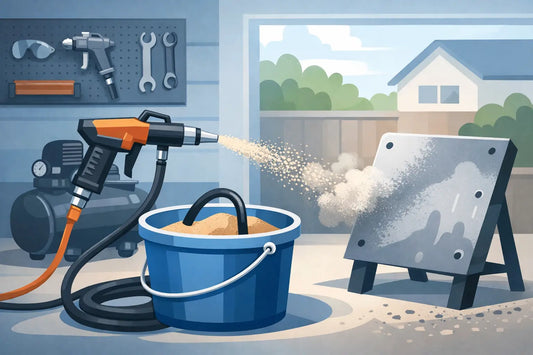
Have you ever wondered how to get the best performance from your LE LEMATEC Sandblaster? Choosing the right PSI setting is essential for achieving efficient sandblasting results and prolonging your equipment’s life. With the right pressure, you’ll use abrasive media smarter, work faster, and get smoother finishes. This guide will walk you through how to select the perfect PSI for your sandblasting tasks, highlighting the difference between PSI and CFM, and how each affects your le lematec sand blaster gun kit. Read on to master your sandblasting efficiency.
PSI stands for pounds per square inch and measures the air pressure forcing the abrasive material out of your lematec sandblaster. It directly controls how hard the abrasive hits the surface you're blasting. For the LE LEMATEC Sandblaster, maintaining the right PSI is crucial because too low a pressure results in weak blasting that wastes media, while too high a pressure risks damaging delicate surfaces and wearing out your gun prematurely.
Most sandblasting with the le lematec sandblaster gun kit performs optimally between 70 and 100 PSI. This range balances powerful abrasive impact without overburdening your compressor or creating excessive dust. Different materials and media may require slight PSI adjustments. For example:
Fine-tuning within this range helps you maximize efficiency when using your LE LEMATEC Sandblaster.
While PSI measures the pressure, CFM (cubic feet per minute) measures the volume of air flow available to your lematec sandblaster. Think of PSI as how forceful the blast is and CFM as how much air is pushing the abrasive out continuously. Both must work together: sufficient PSI for impact force and adequate CFM to maintain a steady blast stream.
If your compressor provides high PSI but low CFM, your pressure will quickly drop during blasting, leading to inconsistent results. The abrasive flow may sputter or clog because the air volume can’t keep up with the demand of your le lematec sand blaster gun kit. This inefficiency wastes media and time, and potentially wears out equipment faster.
Before adjusting your LE LEMATEC Sandblaster’s PSI, consider the surface you’re blasting:
Adjusting the PSI with care ensures you get deep cleaning without undue surface damage.
The abrasive you use with your le lematec sandblaster also dictates the right PSI. Lighter media like baking soda or walnut shells require lower PSI to avoid crushing the material before it hits the surface. Harder abrasives, such as aluminum oxide or garnet, perform best at higher PSI, providing stronger impact and faster results.
Ensure your lematec sandblaster gun kit is free from clogs and wear that cause pressure drops. Worn nozzles increase the air volume needed to maintain PSI, straining your compressor and reducing efficiency. Regularly inspect and replace nozzles when needed.
Leaks in hoses, couplings, or fittings cause pressure loss before the air reaches the nozzle. Use short, wide-diameter hoses designed for sandblasting and properly sealed connections. Minimizing pressure drops ensures your LE LEMATEC Sandblaster consistently operates at your chosen PSI setting.
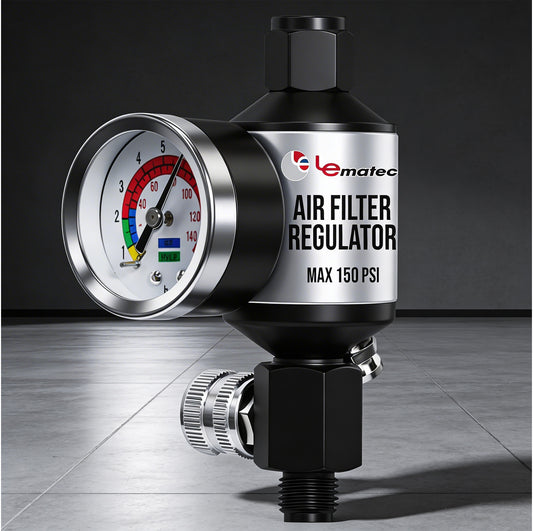
Attach a pressure gauge at the blast pot or near the nozzle to monitor real-time PSI during operation. Before a full project, perform a test blast on a scrap material to check abrasive impact and surface results. Adjust the PSI accordingly to avoid over- or under-cleaning.
Be sure your air compressor supports your intended PSI and can sustain adequate CFM. Your LE LEMATEC Sandblaster will perform best when these two specifications match your PSI setting requirements. If necessary, upgrade your compressor or reduce nozzle size to keep pressure stable.
Choosing the right PSI for your LE LEMATEC Sandblaster is key to efficient, effective sandblasting that protects surfaces and equipment. Remember that PSI controls impact force, while CFM ensures continuous abrasive flow. Adjust PSI based on surface type, abrasive media, and your compressor’s capacity. Regular equipment maintenance and proper adjustments will optimize your blasting experience. Ready to boost your sandblasting efficiency? Explore the full range of LE LEMATEC Sandblaster products and accessories to find the perfect setup for your needs.
Factory direct from Le Lematec — professional quality, competitive prices.


 AIR REGULATORS

 ACCESSORIES