Shopping Cart
(0)
Free shipping included — no minimum on any US order

Quick Search:

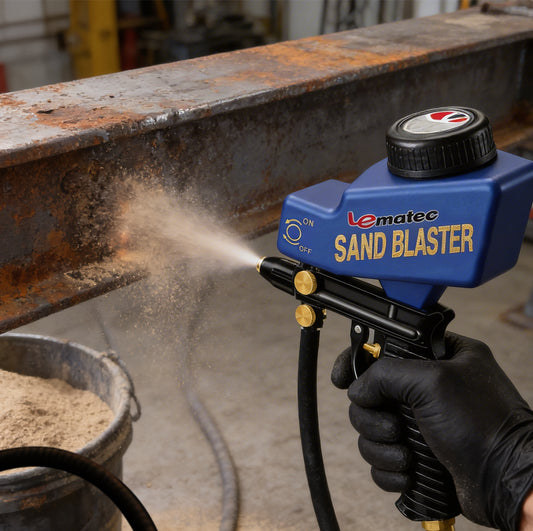
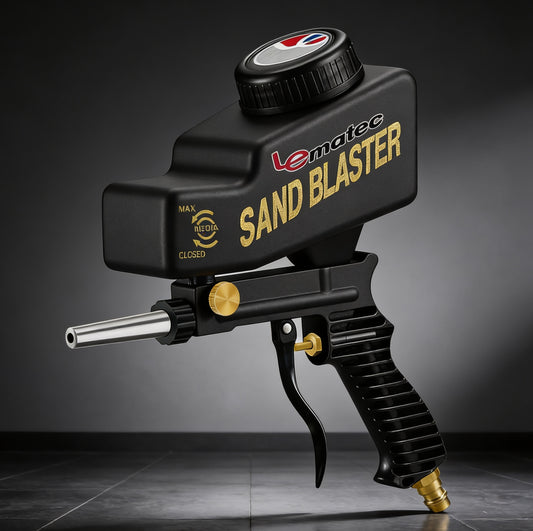
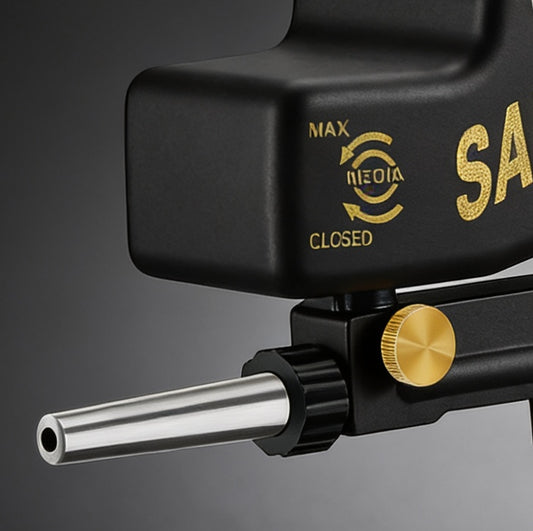

You can have a perfectly good compressor and a strong air impact, then lose 20 minutes because a coupler won’t latch, a fitting leaks, or the hose kinks right when you’re under a car. That’s the real value of an air tool accessories kit: it keeps the small stuff from stopping the big work.
Most kits look similar in the photos. In a shop, they behave very differently. Some are built around bargain brass and mystery O-rings. Others are thoughtfully matched to how air systems actually get used—connect/disconnect all day, dragged across concrete, exposed to oil, grit, and temperature swings. If you’re buying one kit to support multiple tools, you want the second kind.
Connection speed is obvious—quick couplers, plugs, and the adapters that let you move between tool brands and hose ends without running to the hardware store mid-job. Flow is the one people underestimate. If your impact wrench is rated for a certain CFM but your fittings choke the line, you’ll feel it as weak breakaway torque, slow die grinder RPM, and a tool that runs hotter than it should. Control is the quality-of-work piece: a stable regulator, a decent gauge, and filtration where it matters so paint prep, blasting, and air tools aren’t fighting water and debris.
If a kit doesn’t improve at least two of those three, it’s mostly a box of parts.
If you’re outfitting a garage, Industrial/M-style is usually the easiest standard to live with because it’s widely supported and easy to find in multiple materials. The key is consistency: put the same plug style on every tool, and keep your couplers consistent on your hoses and drops. Mixing standards creates “almost fits” situations that waste time and chew up seals.
Flow ratings matter here. High-flow couplers can noticeably improve tool response, especially for air-hungry tools like grinders, sanders, and blow guns. The trade-off is cost and sometimes slightly larger bodies. If you mostly run an impact and an air ratchet, standard couplers are usually fine. If you do paint prep, blasting, or run a die grinder for long stretches, higher-flow connections are worth paying for.
The trade-off is corrosion. Bare steel can rust if it lives in a humid environment or sees water in the line. If your compressor regularly spits moisture, the better fix isn’t “buy different fittings.” It’s adding filtration, draining the tank, and keeping your air dry.
For a main work hose, pay attention to inside diameter. A 1/4" ID hose is common and works for many tools, but a 3/8" ID hose often feels noticeably better with grinders, sanders, and blasting accessories. You don’t need to replace every hose you own, but if you’re building one “do-most-things” line, 3/8" is usually the smarter baseline.
Also look at strain relief and swivel ends. A swivel at the tool end reduces hose twist, which makes air ratchets and drills easier to handle and helps hoses last longer.
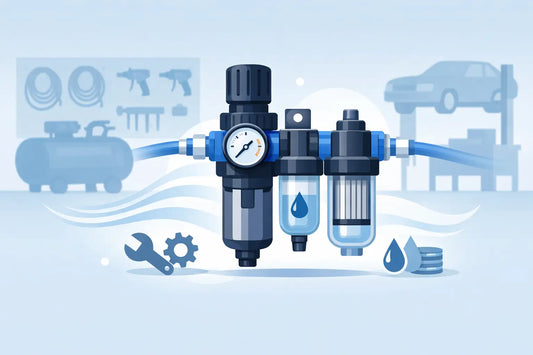
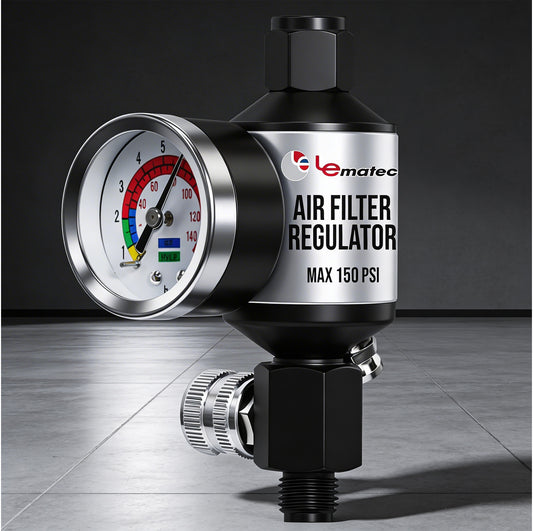
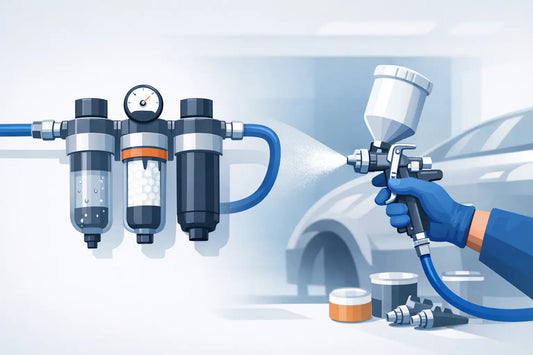
A regulator isn’t just for “turning it down.” It keeps pressure stable under load. That matters when you’re trying to keep a sander consistent or avoid over-speeding a tool. A filter/water separator helps protect tools from rust and sticking vanes, and it keeps water out of media and abrasive lines.
It depends on where you live and how hard you run your compressor. In humid climates, you can drain a tank religiously and still see water. In a small shop that cycles the compressor frequently, heat and cooling can create condensation fast. If you’re fighting water, consider a dedicated filter/regulator near the point of use rather than relying on a tiny inline filter.
If a kit includes spare O-rings for couplers, that’s a good sign. Coupler seals are wear items, especially if you connect/disconnect constantly or your shop is dusty.
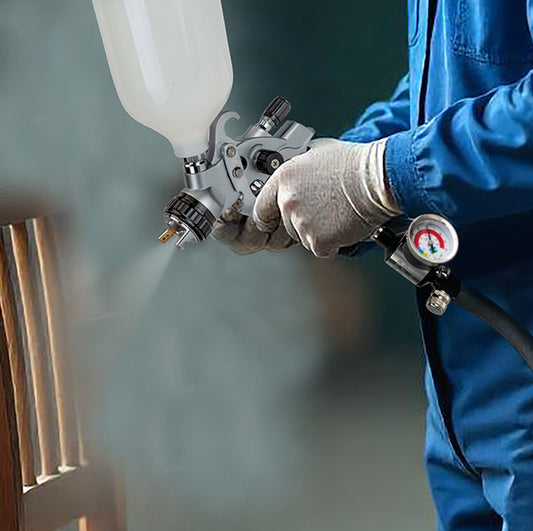
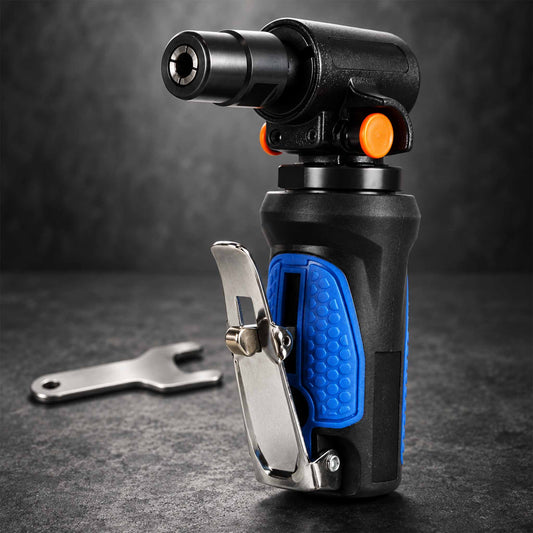
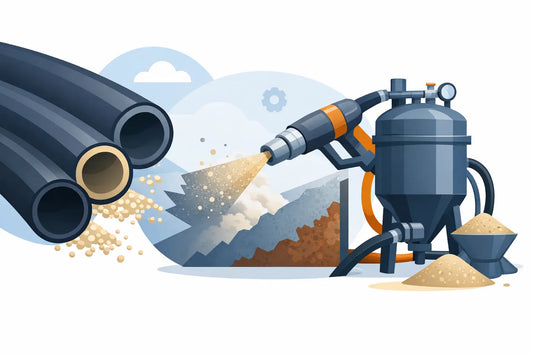
If you’re mostly automotive—impacts, ratchets, inflators—prioritize durable couplers/plugs, a tire chuck you trust, and a hose that doesn’t fight you under the car. If you do fabrication—die grinders, cutoff tools, air hammers—prioritize airflow: larger ID hose, fewer restrictive fittings, and couplers that don’t choke the line. If you do blasting and surface prep, put filtration and pressure control higher on the list than “more adapters.”
Also think about how many connection points you really need. One coupler at the compressor and one at the tool is simple, but it can be annoying when you want to switch between a blow gun and an impact. A better approach is often one quality main hose, then short whip hoses or tool-end swivels, so you’re not constantly stressing the coupler and hose end.
One mistake is mixing plug styles because “it kind of fits.” That leads to leaks, blown O-rings, and frustration. Another is stacking adapters. Every extra joint is a leak opportunity and usually a flow restriction. If you need three adapters to make something work, you probably need the right coupler or the right hose end.
The third is ignoring pressure drop. If your regulator says 90 PSI but your tool sees much less under load, you’ll chase performance problems that look like “bad tool” when it’s really the line. A quick test is to watch the gauge while running a tool; if it falls hard when you pull the trigger, airflow is the issue.
From there, upgrade based on pain. If you’re constantly hearing leaks, invest in better couplers and replace worn seals. If tools feel weak, address flow—hose ID, high-flow couplers, and fewer restrictions. If you’re seeing water, add filtration and get serious about draining and air drying.
If you want everything—air tools, blasting gear, filters/regulators, and jobsite-ready accessories—from one supplier with fast turnaround and a long warranty, you can find curated options at Pro Air Tools.
Pay for the parts you touch constantly—couplers, plugs, and hose ends—because those are the daily failure points. Be selective with the rest. A drawer full of oddball fittings doesn’t help if your main line still chokes your grinder.
A helpful closing thought: if your air tools feel inconsistent, don’t assume the tool is the problem. Most “weak air tool” complaints start with the accessories. Fix the connections and airflow first, and the tools you already own usually wake right up.
Factory direct from Le Lematec — professional quality, competitive prices.


 AIR REGULATORS

 ACCESSORIES