Shopping Cart
(0)
Free shipping included — no minimum on any US order

Quick Search:

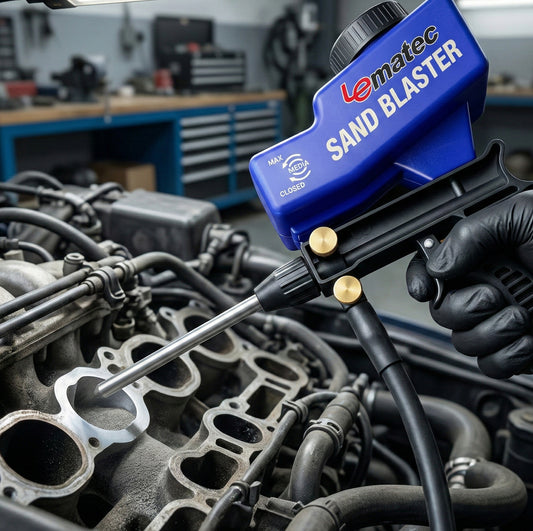
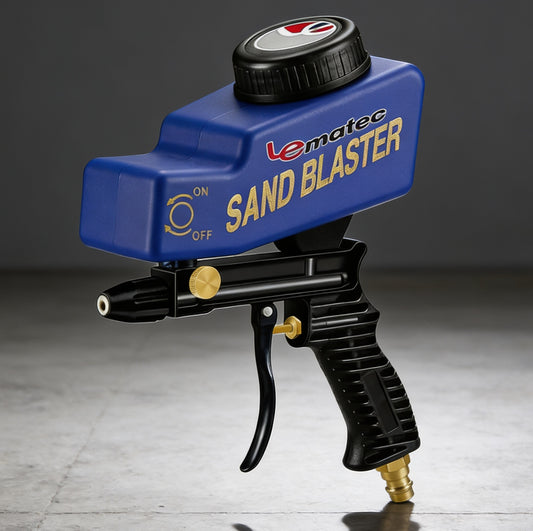
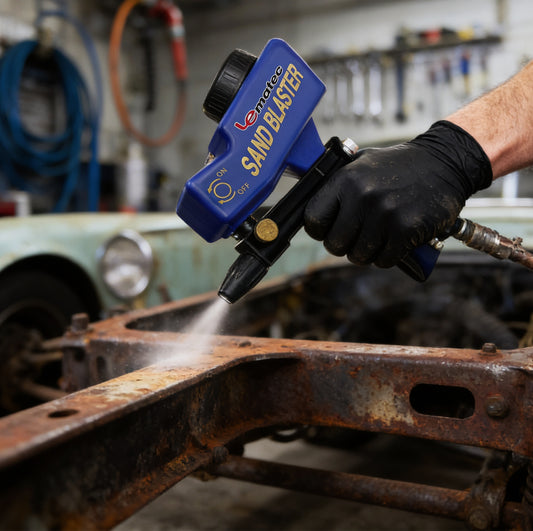
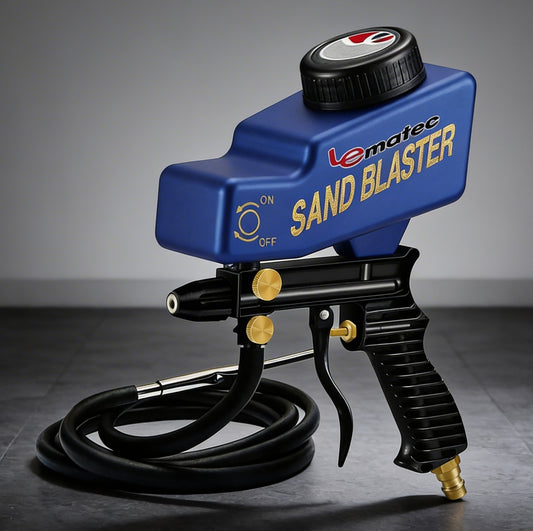
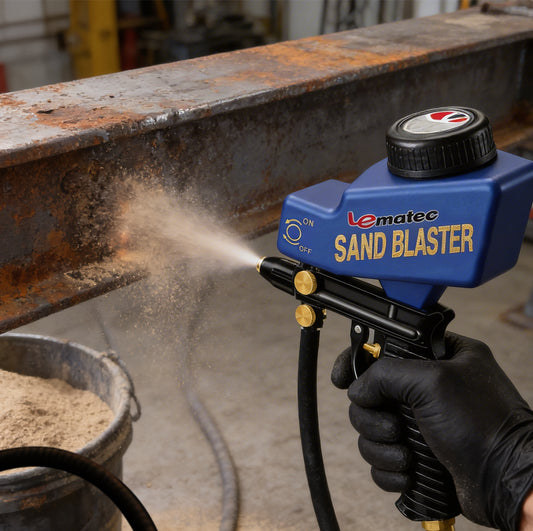
When it comes to rust removal techniques, efficiency and precision are critical to restore metal surfaces effectively. Rust not only damages the appearance of metal objects but can also weaken structural integrity over time. One of the best solutions for heavy-duty rust removal is using a professional sandblaster kit. In this article, we will walk you through how to use a professional sandblaster kit effectively to tackle rust, offering an expert approach that ensures thorough cleaning while protecting your metal surfaces from damage.
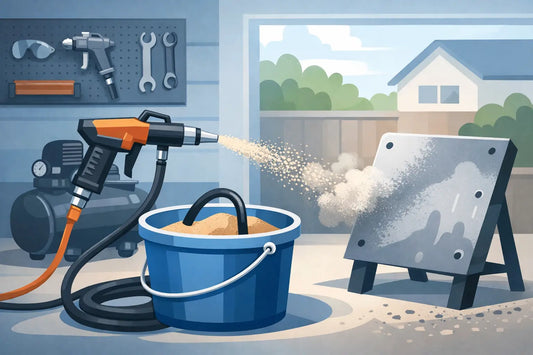
Sandblasting is an abrasive cleaning method that uses high-pressure air to propel abrasive media against a rusted metal surface. This blows away rust, old paint, and other contaminants efficiently. It is widely considered the best method to remove rust from metal because it cleans deeply without relying on chemicals or manual scrubbing.
Choosing the right abrasive media can influence the effectiveness of your sandblaster. Commonly used media include:
Using the correct media with your sandblaster helps maximize rust removal results and protect the base metal.
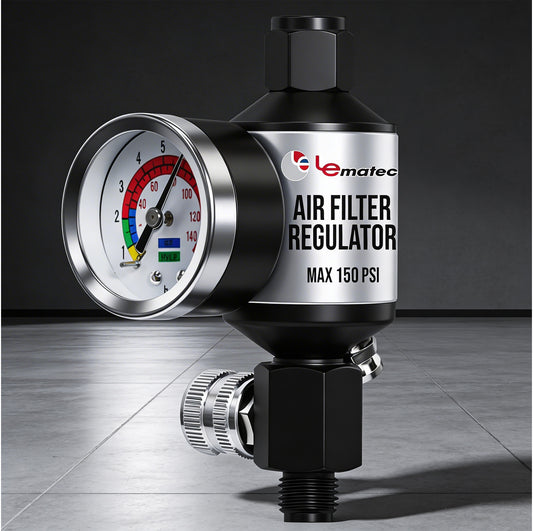
Before blasting, assemble your kit correctly, ensuring all connections are secure to avoid leaks or pressure drops. Confirm your pressure source meets the recommended PSI (150 PSI is ideal for many applications). Keep the abrasive media dry and fill your media container accordingly.
Always wear protective gear including goggles, gloves, and a respirator mask to guard against debris and dust. Work in a well-ventilated area to maintain safe air quality while sandblasting.
Position the sandblaster nozzle about 6 to 12 inches from the rusted metal surface. Engage the control valve gradually to start blasting with steady, even strokes. Avoid staying in one spot too long to prevent damage or uneven surfaces.
Move the nozzle evenly in sweeping motions across the metal, working systematically to remove all rust layers. Keep the abrasive media level above the intake to prevent clogging and maximize media flow.
Remove rust electrolysis uses an electric current in a solution to detach rust chemically rather than mechanically. This is excellent for delicate or intricate objects where sandblasting could cause surface damage.
While electrolysis is excellent for small-scale or precision tasks, sandblasting is faster and more effective on large, flat surfaces or heavily rusted metal parts, making it the best method to remove rust from metal in industrial or restoration settings.
After each use, inspect the nozzle for wear and clean out any abrasive residue to ensure optimal performance for your next project. Replace worn parts to maintain consistent blasting pressure.
Thoroughly clean the sandblasted surface to remove abrasive particles. Follow up with a rust inhibitor or primer to prevent new rust formation and prepare the metal for finishing.
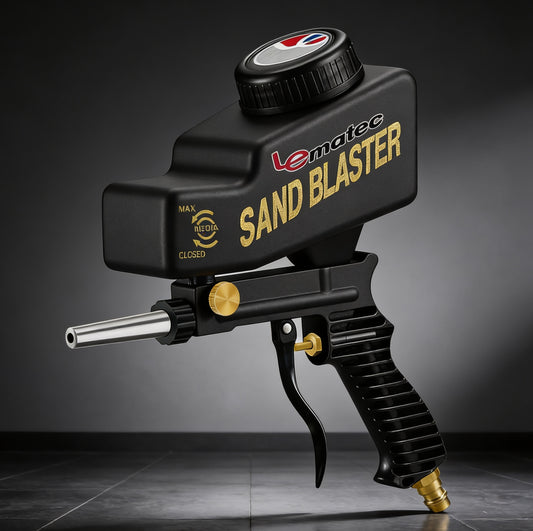
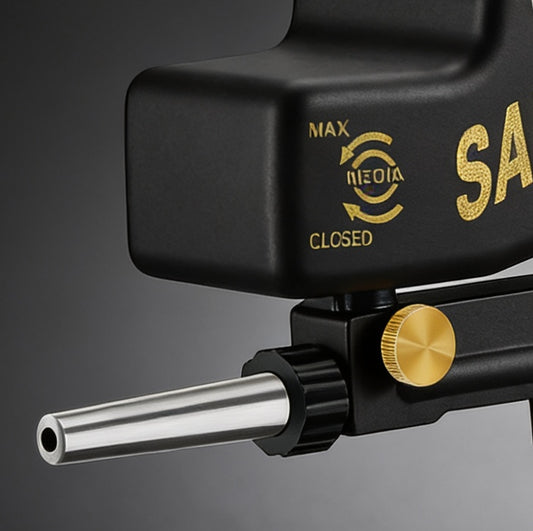
When selecting equipment, prioritize kits with adjustable control valves for media flow regulation, durable construction, and compatibility with different abrasive media. This flexibility enhances your rust removal technique's effectiveness.
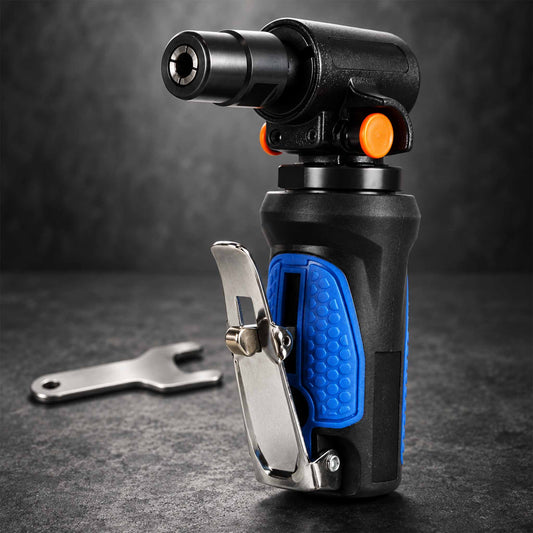
Consider investing in reliable and convenient options, such as a kit designed for portability and easy control. For example, you can explore handheld sandblaster kits with control valves that combine power with precision, ideal for both DIY enthusiasts and professionals.
With proper technique and correct pressure settings, sandblasting removes rust without harming the metal beneath. Overblasting or using too hard abrasive media can cause damage, so care is essential.
Sandblasting is mechanical, fast, and great for larger surfaces. Electrolysis is chemical, slower but gentler, better for intricate and delicate items.
The best method includes proper media selection, controlled pressure, even nozzle movement, and safety measures. Combining this with post-treatment protection yields optimal results.
In summary, mastering rust removal techniques using a professional sandblaster kit offers an efficient way to restore metal surfaces. Proper setup, media choice, and carefully controlled blasting all contribute to removing rust effectively without damaging the base material. For those seeking reliable and easy-to-use tools, exploring portable and controllable sandblaster options can significantly enhance your rust removal projects. Whether restoring antique tools or preparing large metal parts, these rust removal techniques ensure a clean, rust-free surface ready for finishing or protection.
Factory direct from Le Lematec — professional quality, competitive prices.


 AIR REGULATORS

 ACCESSORIES