Shopping Cart
(0)
Free shipping included — no minimum on any US order

Quick Search:

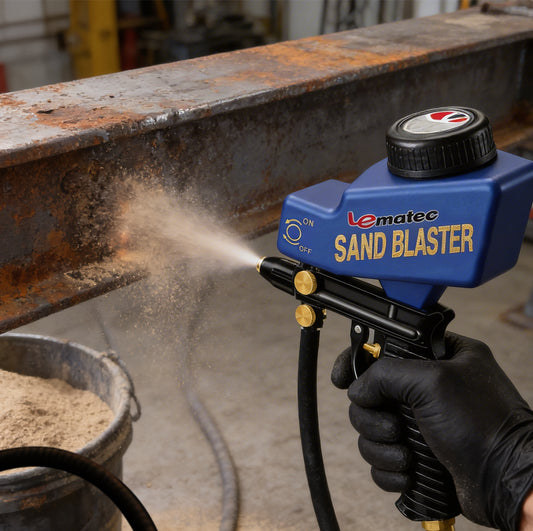
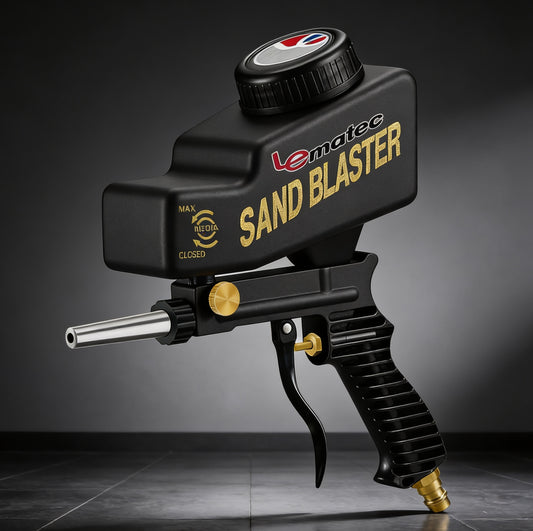
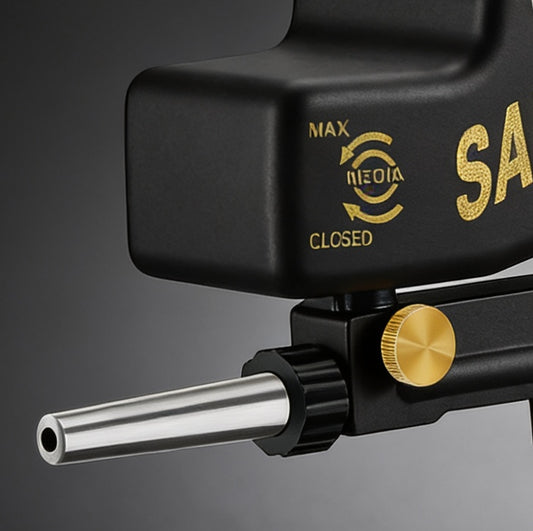

A dead impact wrench on a Friday afternoon isn’t just annoying—it’s a schedule problem. If you’re mid-brake job, halfway through paint prep, or trying to get a batch of parts deburred before Monday, tool downtime turns into lost hours fast. That’s why “cheap” air tools can get expensive in a hurry, and why pneumatic tools with warranty aren’t a nice-to-have—they’re part of how you protect your time.
The catch is that not all warranties actually reduce risk. Some sound good until you need them. Others are solid, but only if you match the tool to the job and keep your air system from chewing it up. Here’s how to buy pneumatic tools with warranty in a way that actually keeps you working.
A warranty is your backstop when a tool fails early from a defect or premature wear. It also says a lot about the seller’s confidence and whether they expect you to treat the tool as disposable. When you’re buying for a shop or even a serious garage setup, coverage isn’t just reassurance—it’s part of your cost-per-job math.
There’s also a practical angle: if a seller can’t support warranty claims smoothly, you’ll waste time chasing emails, digging up paperwork, or paying shipping both ways. A warranty is only “real” when the process is straightforward.
Duration is the easy part—12 months, 24 months, 36 months, and so on. What matters is whether it covers normal use by real buyers (mechanics, fabrication, maintenance) or quietly excludes the very work the tool is marketed for.
Coverage is where most people get surprised. Many warranties cover manufacturing defects but not wear parts. That’s normal. The problem is when “wear” gets used as a blanket excuse for anything internal. For air tools, the internal motor, vanes, bearings, and trigger assemblies are exactly what you care about. You don’t need a warranty on the sticker—you need it on the guts.
Voids are the other big one. Expect exclusions for obvious abuse, but watch for gotchas like “improper air supply” used so broadly that any failure can be blamed on your compressor. This is where your setup matters, because the way you run the tool should make the warranty easier to claim, not harder.
And finally, process: if the only option is “ship it to us and wait,” you might be down for weeks. If the seller can ship fast and handle claims without a runaround, the warranty actually protects your uptime.
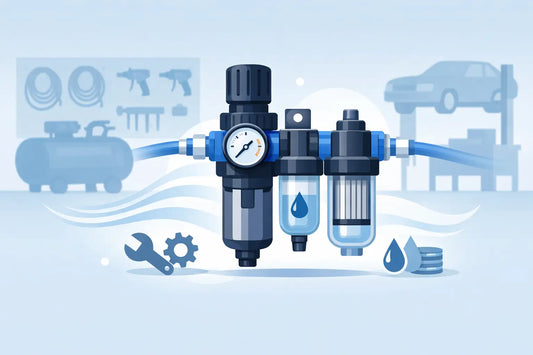
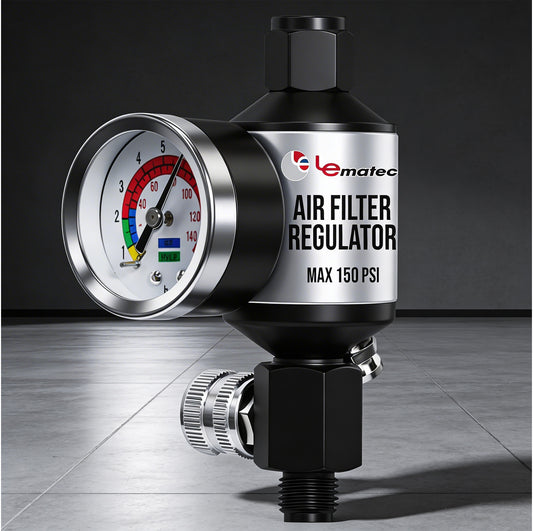
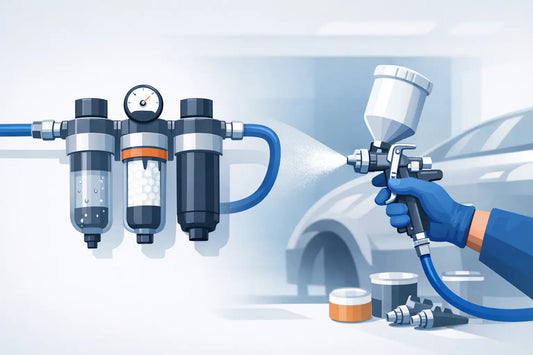
Moisture and contamination: water in the line corrodes internals and carries grit that chews up seals and vanes. If you do paint prep, blasting, or you’re running in a humid shop, you’re at higher risk. The fix is simple: use a decent filter/water separator close to the point of use and drain the compressor tank regularly.
Starving the tool: a lot of tools get blamed for being weak when they’re really being fed through undersized hoses, restrictive couplers, or a regulator that can’t flow. A high-torque impact wants real airflow. Same with grinders and sanders that run continuously. If your tool feels like it “hits” for a second and then falls flat, look at your hose diameter, fittings, and compressor CFM before you assume the tool is the problem.
When your air supply is stable—clean, dry, and properly sized—your tools last longer and any legitimate defect shows up early and clearly. That’s the best-case scenario for warranty coverage.
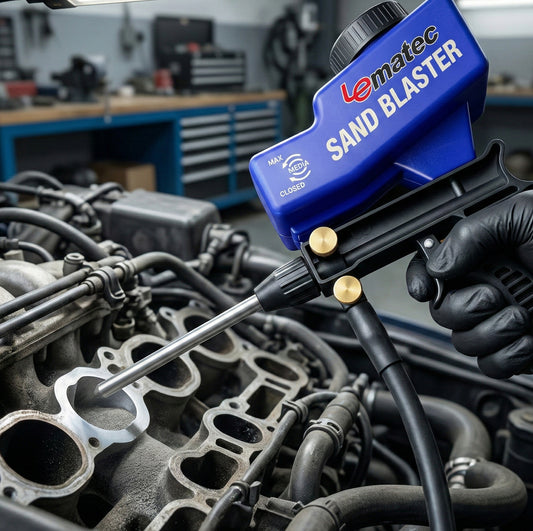
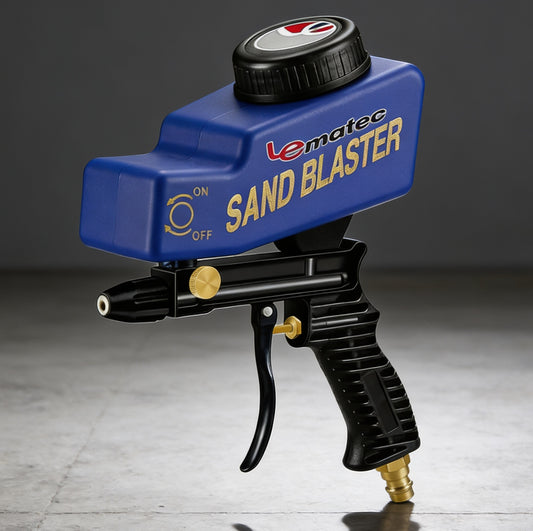
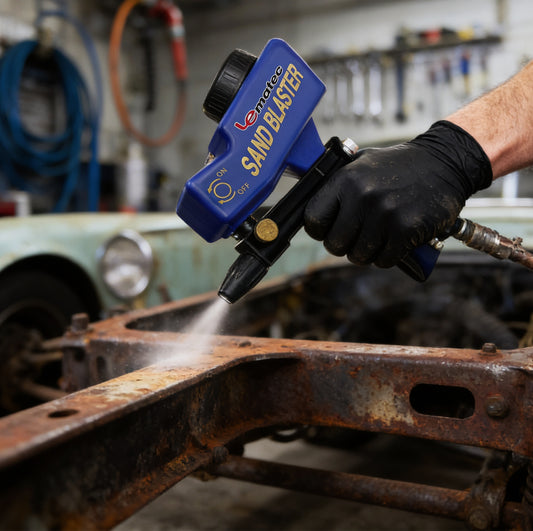
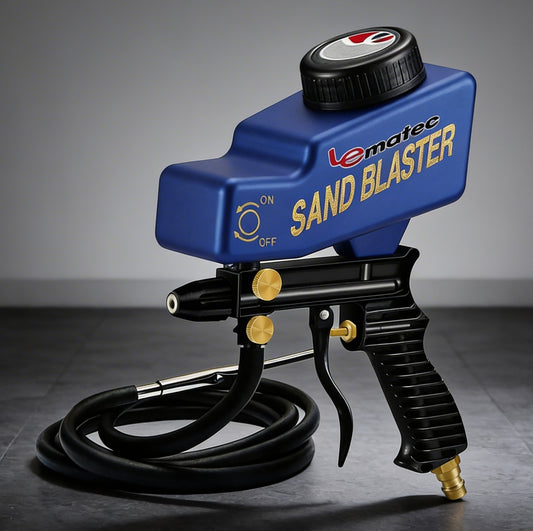
First, check whether the warranty is tied to the product category you’re buying. A sandblaster, a die grinder, and a tire inflator live very different lives. If one generic paragraph supposedly covers everything equally, it’s worth asking how claims are handled in practice.
Second, look for clear language about business use. If you’re a shop, you’re not “light duty.” If the warranty quietly excludes “commercial use,” you’re paying for coverage you can’t use.
Third, pay attention to who is actually backing it. If you’re buying from a random marketplace seller, you may be dealing with a brand that disappears, changes names, or punts you to a manufacturer that’s hard to reach. Buying from a dedicated pneumatic retailer tends to be cleaner because the seller has a direct incentive to keep you as a repeat customer.
Fourth, consider shipping speed as part of warranty value. A warranty that takes three weeks to resolve costs you more than a slightly shorter warranty that gets you back to work fast.
Impact wrenches: pay attention to your actual fastener sizes and how rusty your world is. A compact impact is great for tight bays, but if you’re routinely breaking free suspension hardware, you want torque headroom. Running an impact at the edge of its capability all day increases heat and wear.
Air ratchets: great time-savers, but they’re not breaker bars. If you’re snapping bolts loose with the ratchet, you’re loading the head and drive in a way that can kill it early.
Grinders, sanders, and belt sanders: continuous-run tools punish weak airflow. If your compressor barely keeps up, the tool runs hot and sluggish. For these categories, correct hose sizing and adequate CFM are as important as the tool itself.
Pneumatic hammers: they’re simple and tough, but they hate dirty air and lack of lubrication. A few seconds of oiling goes a long way.
Cutters and air scissors: if you’re forcing cuts through material that’s too thick for the tool, you’ll dull blades and strain the mechanism. That’s wear, and wear is rarely what warranties are for.
When the tool is properly sized for your work, the warranty becomes what it should be: protection against unexpected failure, not a way to compensate for constant overload.
This is where a retailer’s operational promises matter. If you can get tools and jobsite accessories shipped fast, you’re not burning time waiting around. And if the same seller backs the product with a long, clear warranty, you’re reducing two risks at once: the risk of a dud tool and the risk of delays.
That’s the practical reason buyers like Pro Air Tools emphasize a free 36-month warranty and 1-day shipping—those are the two things that keep a garage project or a shop schedule from turning into a mess when something doesn’t go as planned.
If you need a lightweight inflator that comes out twice a month, warranty length probably shouldn’t drive the decision. Fit, ease of use, and accuracy matter more.
If you’re equipping a small shop and your impact, grinder, or sander is used daily, longer coverage is more meaningful—especially if the claim process is simple and you can get back to work without arguing about what “normal use” means.
Also consider whether you can afford downtime. A mobile mechanic, a body prep workflow, or a maintenance team supporting production usually values support more than squeezing the last few dollars out of a purchase.
Before you put it to work, verify your air setup: regulator set correctly, filter/water separator installed, hose and couplers not choking flow. Add a few drops of air tool oil if the tool calls for it. Then run the tool under light load first, and only then under real work.
If anything feels off—sticking trigger, inconsistent power, odd air leaks—stop and address it. Don’t “work through it” and hope it fixes itself. Early issues are exactly what warranty coverage is for.
A good warranty is peace of mind, but the real win is simpler: you buy the tool, it shows up fast, it runs like it should, and you keep moving. If you build your air system to support the tools and choose coverage you can actually use, you won’t think about the warranty much—which is the best outcome you can get.
Factory direct from Le Lematec — professional quality, competitive prices.



 AIR REGULATORS

 ACCESSORIES