Shopping Cart
(0)
Free shipping included — no minimum on any US order

Quick Search:

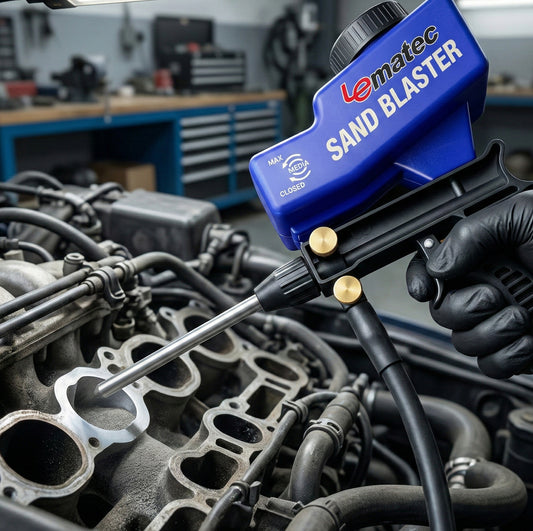
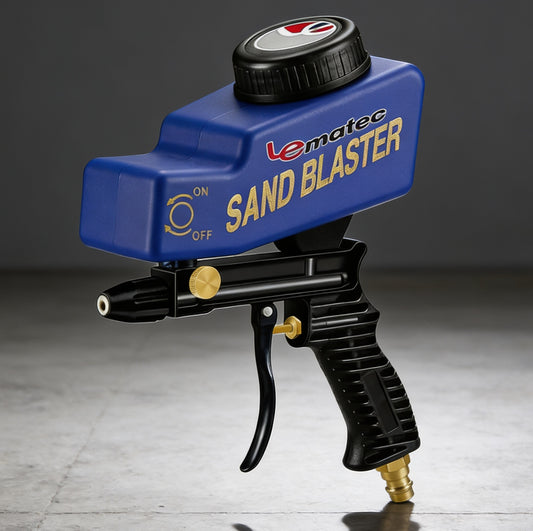
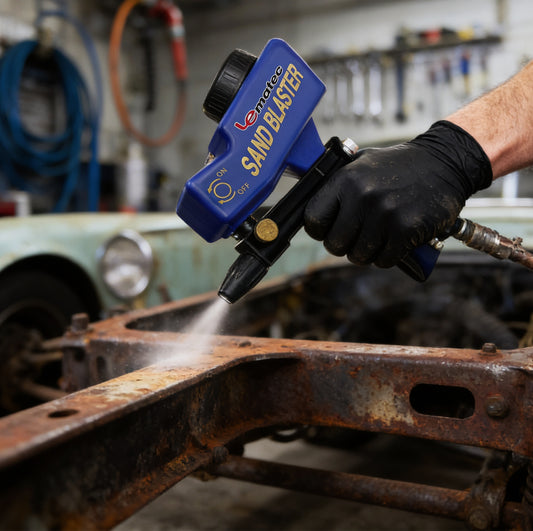
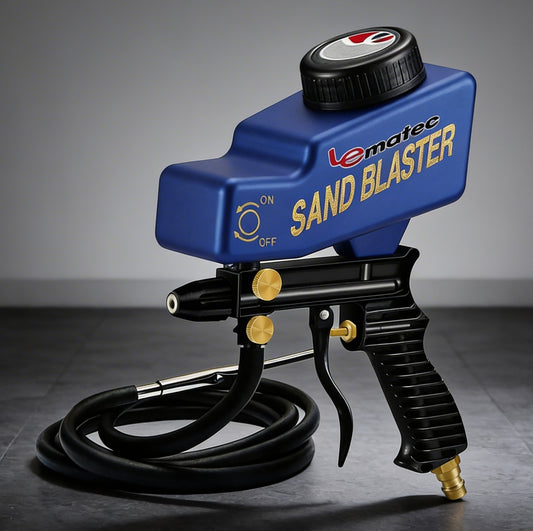

You don’t notice the “markup chain” until you’re staring at a cart total for an impact wrench, a regulator, and a couple boxes of blasting media—and somehow the accessories cost as much as the tool. That’s the moment factory direct air tools start to make a lot of sense: fewer middle layers, cleaner pricing, and (when it’s done right) faster replacement support when something fails mid-job.
But “factory direct” isn’t automatically better. The tool still has to hit the basics that matter in a real shop: steady power from your compressor, parts that don’t fight your fittings, and support that doesn’t disappear when you need a warranty claim. If you’re buying pneumatic tools for automotive work, fabrication, maintenance, or blasting prep, here’s the practical way to think about factory-direct value—without getting stuck with a tool that looks good on a product page and disappoints on the bench.
For a tool buyer, the definition only matters if the outcome changes: price, availability, and support. Direct models tend to compete on faster fulfillment, more aggressive bundles, and fewer “mystery listings” where you can’t tell who’s responsible after purchase.
The trade-off is that you’re relying on the seller to do the curating and quality control that a good local supplier would normally do for you. When the seller is dialed in, you get pro-grade performance and predictable service. When they’re not, you get confusing specs, inconsistent stock, and a warranty that’s hard to use.
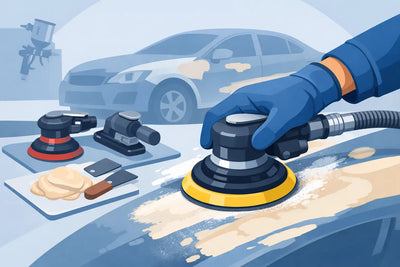
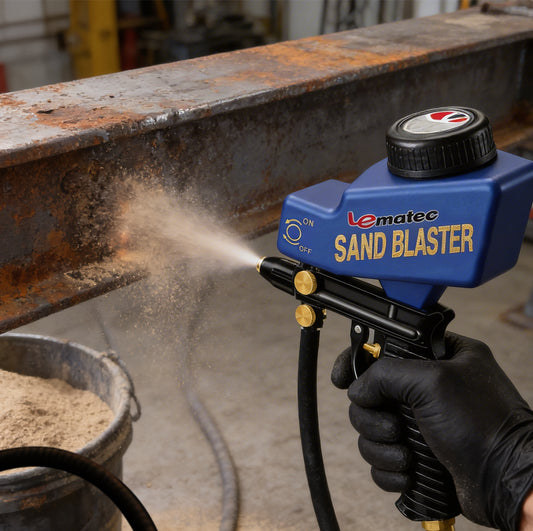
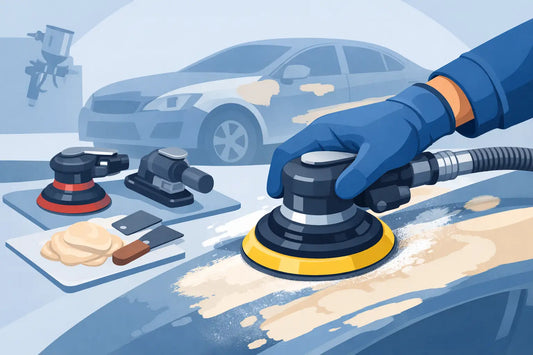
If you’re building out a sanding and prep setup, consumables and accessories add up quickly: fittings, hoses, regulators/filters, and the tool itself. Same story for sandblasting: the blaster is only part of the spend. Media, nozzles, moisture control, and replacement wear items decide whether the setup is productive or a constant fight.
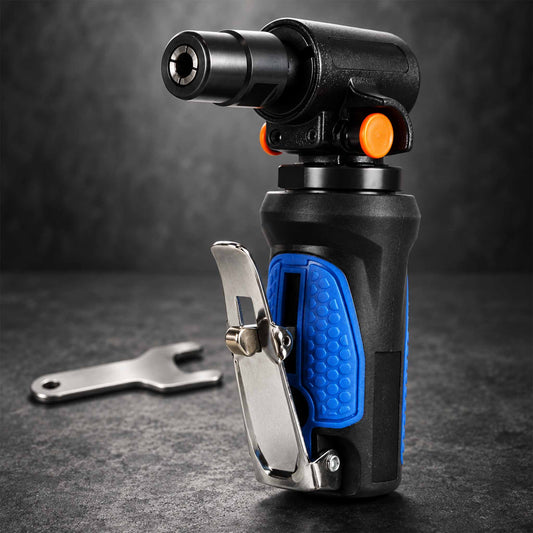
Factory-direct pricing often shines in three spots. First is tool families with a lot of overlap—air ratchets, impact wrenches, grinders, sanders—where buying a bundle actually reduces your per-tool cost. Second is consumables you reorder, like blasting media and accessories; shaving cost there keeps the whole process affordable. Third is “jobsite basics” you need immediately (tire inflators, cutters, air drills) where fast shipping matters more than browsing ten stores.
For intermittent tools like many impact wrenches and ratchets, you can often get away with lower sustained CFM because you’re not holding the trigger continuously. For grinders, sanders, and blasting setups, air demand is continuous—your compressor becomes the limiting factor. If your compressor can’t maintain pressure at the tool’s required CFM, you’ll see bogging, heat, inconsistent finish quality, and longer job time.
Two practical checks keep you out of trouble. Confirm the tool’s working CFM at its typical operating PSI (often 90 PSI for many air tools), and compare it to your compressor’s delivered CFM at the same PSI—delivered, not “peak.” Then consider duty cycle: if you’re running an angle grinder for long passes or blasting for extended periods, you need margin so the compressor isn’t running flat out all day.
Factory-direct saves money fastest when you’re not accidentally buying tools that force you into a compressor upgrade.
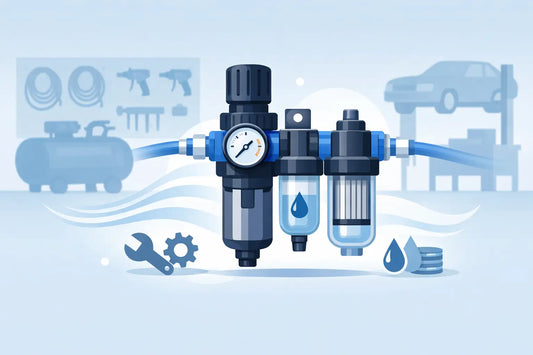
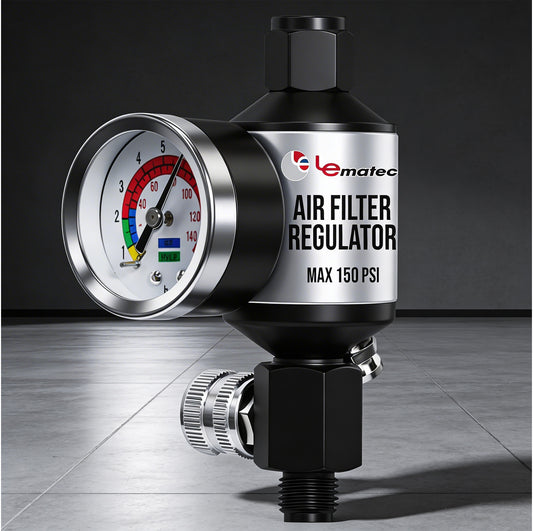
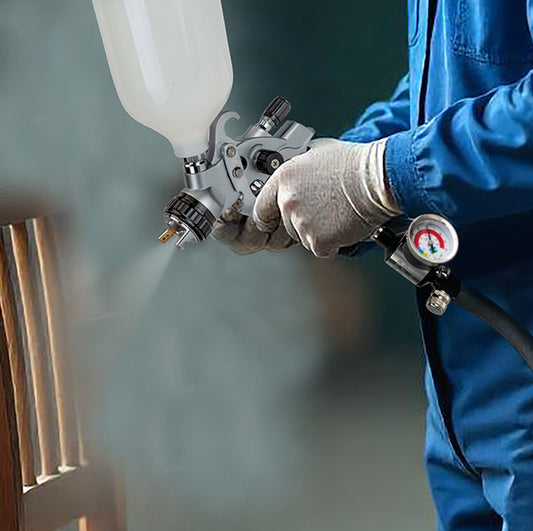
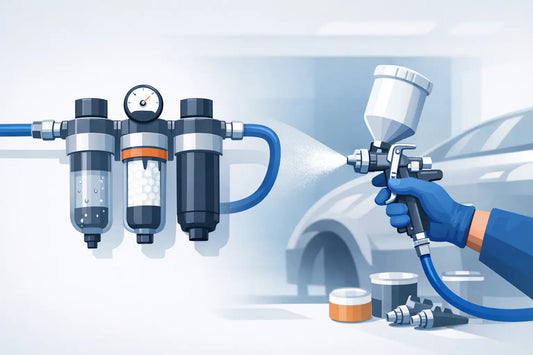
If you’re shopping factory-direct, don’t treat filters, regulators, and separators as “extra.” Treat them as performance parts. Stable pressure means consistent torque on an impact and more predictable cut on a grinder. Clean, dry air means fewer stalls and fewer rebuilds.
It depends on your climate and workflow, but if you’re blasting or doing finish-prep work, moisture control is usually worth addressing before you chase the next tool upgrade. Many buyers end up surprised that a modest investment in filtration and regulation makes their existing tools feel stronger and more controllable.
Small quick-connects, long hoses, and narrow hose diameter all contribute to pressure drop under load. The effect is obvious on continuous-use tools: a belt sander that should stay aggressive starts to fade, or a grinder that should hold RPM starts to hunt.
If you’re buying factory direct air tools and want them to perform like they should, match the air path to the tool. High-demand tools generally benefit from larger-diameter hose and high-flow fittings. Shorter hose runs help. So does keeping elbows and restrictions to a minimum. You don’t need to overbuild everything, but you do need to avoid bottlenecks that quietly erase the value of the tool you just bought.
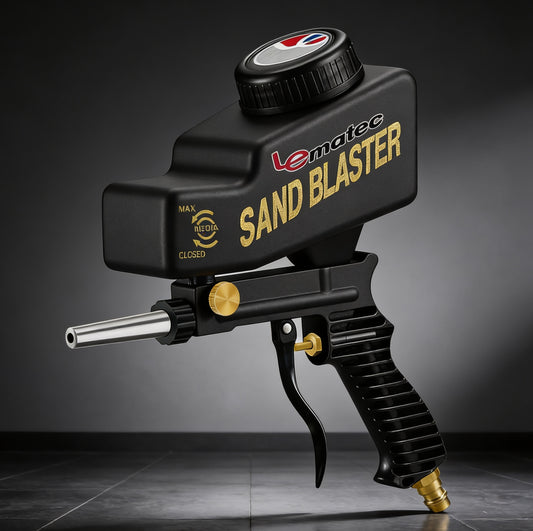
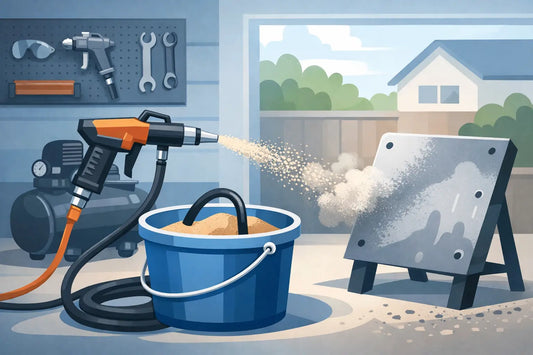
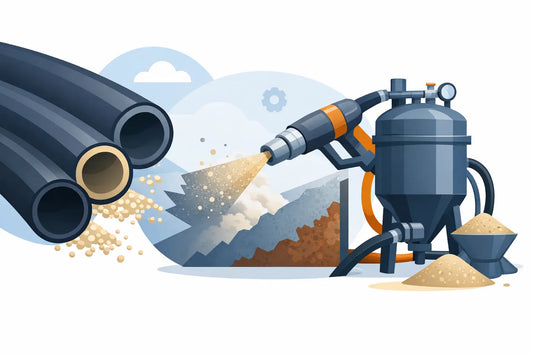
Buying direct can be a win because you can often source the blaster, the right media, and the accessories in one place without paying separate markups for each component. It also reduces downtime if replacement parts and media ship fast.
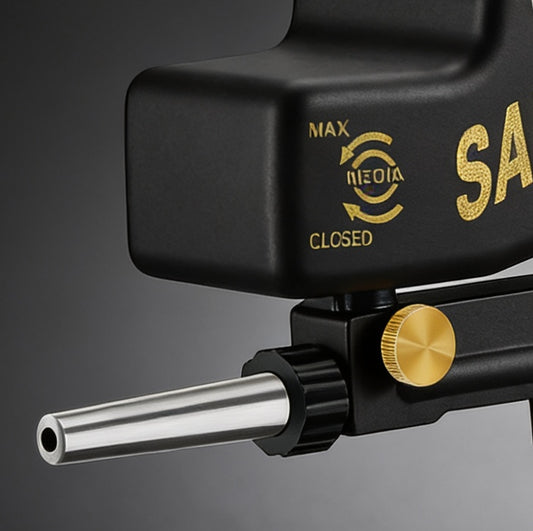
The risk is buying a blaster setup that looks like a bargain but doesn’t match your compressor or your surface-prep goals. Coarser media and larger nozzles remove material faster, but they demand more air. Finer media can be more forgiving on air consumption, but it may take longer depending on the coating. The “best” setup depends on what you’re blasting—rusted steel, paint, scale—and how quickly you need to move.
If your projects are occasional and small, you can stay conservative on air demand. If you’re doing repeated automotive or fabrication prep, plan the system like a production tool: stable air, dry air, consistent media flow.
Factory-direct sellers win when they give you two operational guarantees: a clear warranty that’s actually honored, and shipping speed that fits real schedules. When an impact fails or a regulator cracks, you’re not looking for a philosophical customer-service experience—you’re trying to get back to work.
A long warranty only matters if the process is straightforward: coverage terms are clear, and replacement or repair doesn’t become a weeks-long email chain. And shipping speed matters even more with consumables and wear items. If your blasting media runs out or your fittings aren’t right, your project stops.
This is where a direct-to-consumer store can outperform a marketplace listing. You want a seller who owns the outcome after checkout.
If you’re mostly doing automotive work, prioritize a reliable impact wrench, an air ratchet for tight spaces, and a good tire inflator. If you’re doing fabrication or metal cleanup, grinders and cut-off tools will see more trigger time, so air consumption and hose/fitting choices matter more. If you’re prepping surfaces for paint, sanders and blasting accessories become the core of the system.
Then build the support pieces around the highest-demand tool you plan to run. That approach prevents the common mistake of buying a “great” grinder that your compressor can’t feed, or a blasting setup that turns into a moisture-management project.
Finally, look at the seller’s operational promises. If they’re serious about uptime, they’ll be explicit about warranty length and shipping speed. That’s the difference between “cheap” and “good value.”
If you want a direct-to-consumer shop that leans into factory-direct pricing while backing it with a free 36-month warranty and 1-day order fulfillment, Pro Air Tools is built around that exact idea—tools and accessories positioned to keep projects moving instead of dragging out.
If you need a niche specialty tool that requires in-person fitting, calibration, or hands-on training, a local supplier can still be the fastest path to success. If you’re troubleshooting a complex shop air system with multiple drops, dryers, and high draw, you may want local expertise before you buy more tools. And if you’re the kind of buyer who values a single brand ecosystem with specific service networks, you may pay more for that structure.
Factory direct shines when you already know what category you need and you want dependable specs, fast shipping, and coverage that reduces risk. It’s less compelling when you need custom setup help on-site.
The best buying decision is the one that keeps your compressor, your tools, and your schedule working together. When those three line up, projects stop feeling like a fight and start feeling like progress.
Factory direct from Le Lematec — professional quality, competitive prices.


 AIR REGULATORS

 ACCESSORIES