Shopping Cart
(0)
Free shipping included — no minimum on any US order

Quick Search:
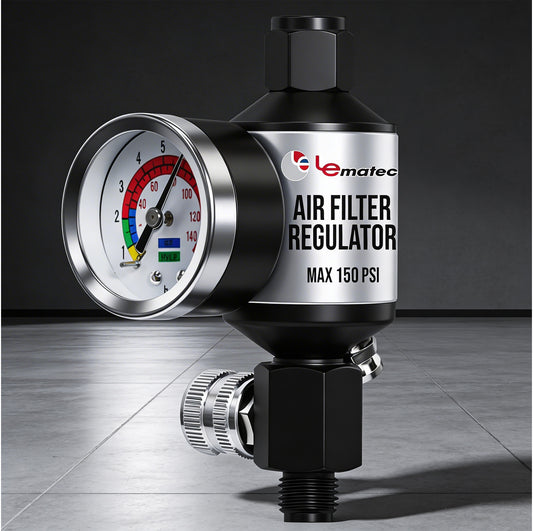


If your impact wrench feels weak, your spray pattern looks off, or your blast cabinet suddenly starts acting inconsistent, the regulator is one of the first places to look. This guide to setting compressor regulators is built for people who use air tools to get real work done and need repeatable pressure, not guesswork.
A compressor makes air pressure. The regulator controls how much of that pressure actually reaches the tool. That sounds simple, but it has a direct effect on torque, tool speed, finish quality, media flow, and air consumption.
Set the pressure too low and the tool drags, stalls, or underperforms. Set it too high and you can shorten tool life, waste air, create erratic spray or blasting results, and in some cases push past the tool's rated pressure. The right setting is not just about power. It is about control and consistency.
A lot of users make one common mistake. They set the regulator based on the tank gauge, not the working pressure at the point of use. Tank pressure and regulated outlet pressure are not the same thing, and line losses can change what the tool actually sees once air starts flowing.
The best way to set a regulator is with the tool connected, air flowing, and the pressure adjusted under working conditions. Static pressure can look fine on a gauge. Dynamic pressure is what matters when the trigger is pulled.
Start by checking the tool's recommended operating pressure. Many pneumatic tools are designed around 90 PSI at the tool inlet, but not all of them. Some sanders, grinders, spray guns, and blasting setups have different requirements. If the manufacturer gives a pressure range instead of one number, use that as your working window.
Next, make sure the system is in decent shape. A regulator cannot fix a restricted hose, a clogged filter, or undersized fittings. If your setup uses a long quarter-inch hose feeding a high-demand grinder, pressure drop may be the real problem.
With the compressor running and the tank charged, unlock the regulator if it has a push-pull knob. Turn it counterclockwise to lower pressure and clockwise to raise it. Bring the setting close to the target pressure, then connect the tool and run it while watching the regulated gauge. Adjust while the air is actually flowing.
That last part matters. A regulator set to 90 PSI with no flow may drop well below that once the tool starts consuming air. If you set pressure with the trigger off, you can end up working at 70 PSI without realizing it.
For general shop use, the regulator gauge on the compressor or wall-mounted unit is a good starting point. For more accurate setup, especially with paint and blasting work, measure pressure as close to the tool as possible.
This is because every hose, coupler, swivel, filter, and separator adds some restriction. In a short setup with properly sized fittings, the difference may be small. In a longer or more complex setup, it can be enough to affect results.
If you are chasing inconsistent performance, the problem may not be the regulator setting itself. It may be pressure drop between the regulator and the tool.
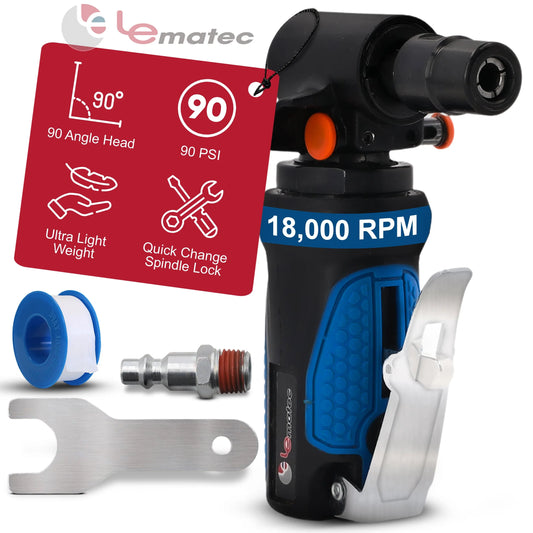
Most impact wrenches, ratchets, drills, and hammers are happy around 90 PSI at the tool inlet. That is the common baseline. More pressure does not always mean better performance. On many tools, going beyond the rated pressure just increases wear and air consumption without giving you a useful gain.
Air grinders and sanders can be more sensitive because they need steady flow as much as they need pressure. If the tool bogs under load, confirm both PSI and CFM. A regulator can maintain pressure, but it cannot make a small compressor deliver more volume than it has.
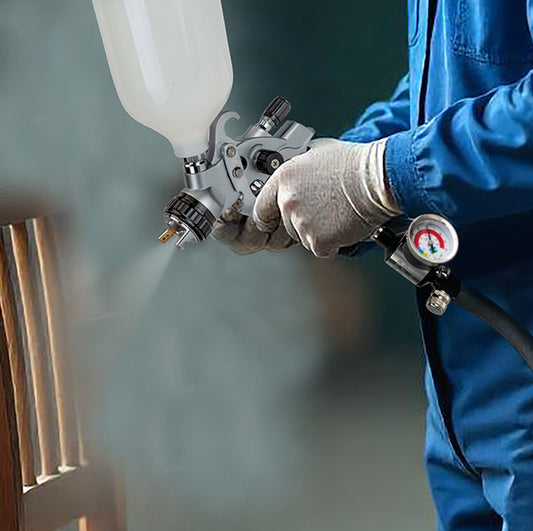
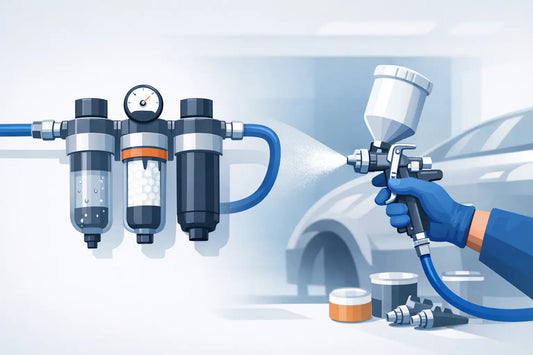
Spray guns are a different case. The pressure you set at the regulator is often higher than the pressure the gun is designed to use at the cap. You need to follow the gun maker's instructions and set pressure with the trigger pulled. A few PSI one way or the other can change atomization and finish quality.
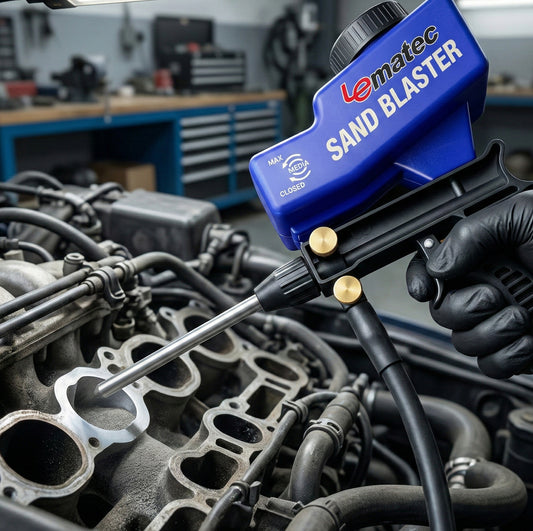
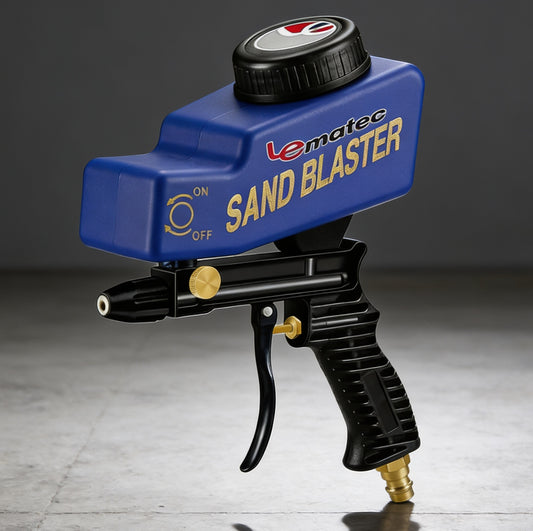
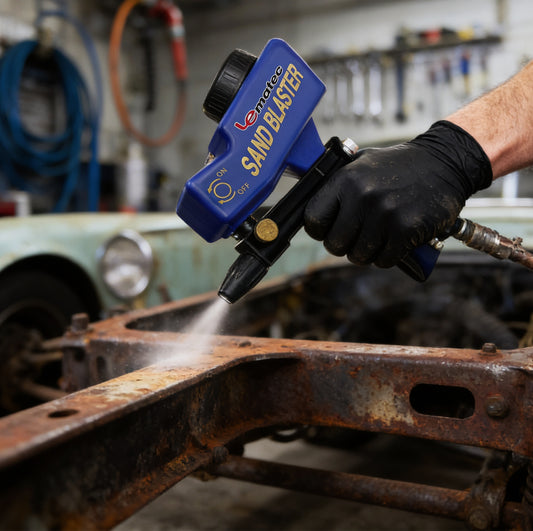
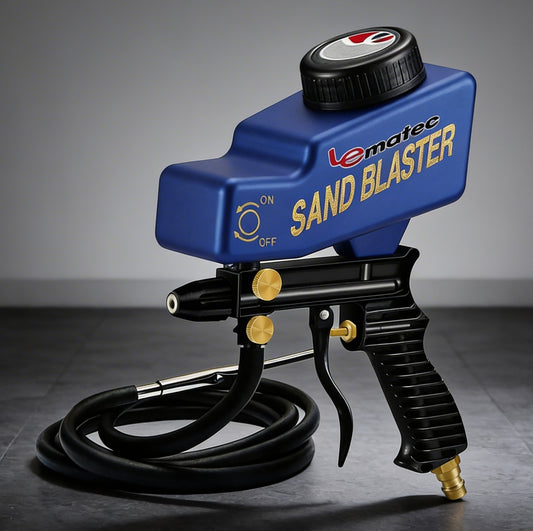
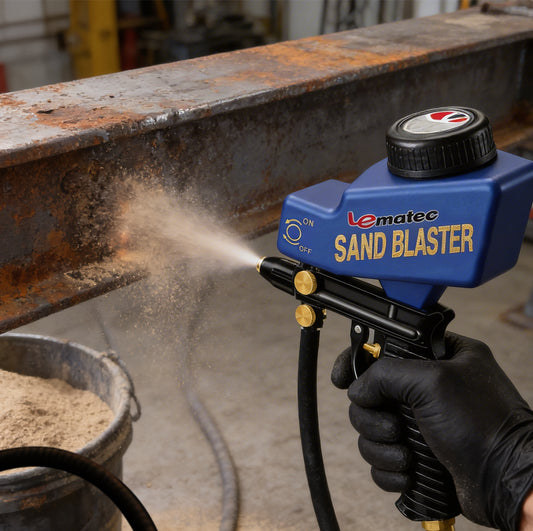
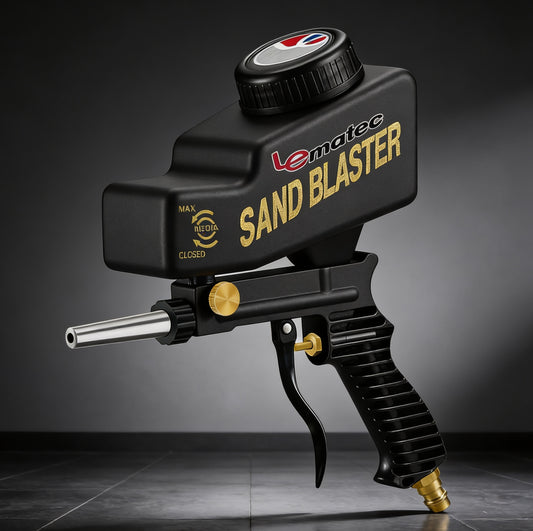
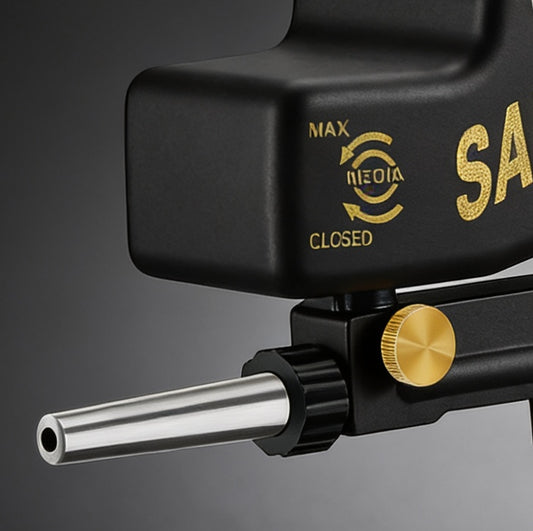
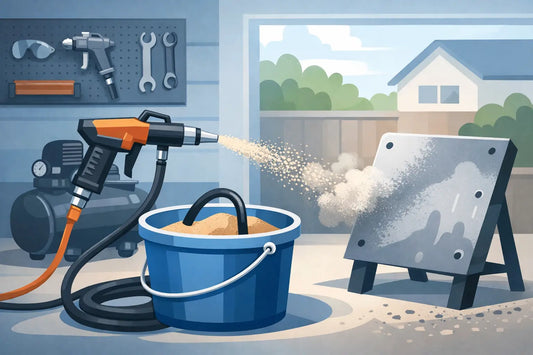
Sandblasting setups also vary. A blast gun may technically run at lower pressure, but production speed and cleaning power usually improve as pressure rises within the equipment's safe operating range. The trade-off is higher air demand and faster media consumption. If your compressor struggles to keep up, backing off slightly can give you steadier performance over time than pushing for a number the system cannot hold.
When a regulator is set correctly but the tool still acts wrong, the issue is usually somewhere else in the air system. Water contamination is a big one. Moisture can affect regulator operation and create problems downstream, especially in paint and blasting applications.
A dirty filter can also starve the regulator. So can a kinked hose, restrictive quick-connect, or a fitting that is smaller than the rest of the system. In some shops, users crank up the regulator to compensate for these restrictions. That may mask the symptom for a while, but it does not solve the cause.
Another issue is using one regulator setting for every tool. That is convenient, but not always smart. An impact wrench, die grinder, tire inflator, and spray gun do not all want the same pressure in the real world. If you swap tools often, take a few seconds to reset the regulator instead of forcing every job through one compromise setting.
A tool that sounds weak, cycles slowly, or loses power under load often points to low working pressure. A spray gun that spits, lays down uneven material, or gives poor atomization can be a pressure problem, though fluid setup also matters. In blasting, weak cleaning action, irregular media flow, or a pattern that feels inconsistent can come from pressure that drops too far once the trigger is pulled.
High pressure creates its own problems. Tools can feel harsh, run hotter, and wear faster. Spray transfer can get messy. Air usage goes up, which makes the compressor run harder and longer. If your system is always trying to catch up, too much regulator pressure may be part of the reason.
If you use air every day, consistency is worth more than squeezing out a little extra pressure. A good setup starts with the right regulator, but it also means matching hose size to demand, keeping filters maintained, draining moisture, and avoiding cheap high-restriction couplers.
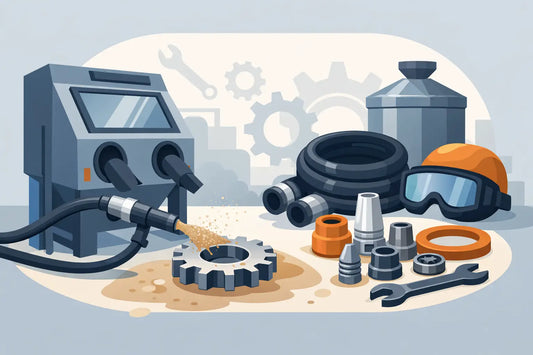
For shops that switch between blasting, air tools, and finishing work, dedicated point-of-use regulators can save time and improve repeatability. One regulator near the compressor is fine for basic use, but a secondary regulator closer to the tool gives you tighter control where it counts.
This is especially helpful when jobs demand different air quality and pressure. A blasting cabinet and an HVLP spray gun should not be treated like the same application just because they share the same compressor.
Regulators wear out. If the gauge reading drifts, pressure creeps upward, adjustment feels sticky, or the outlet pressure swings around during normal use, replacement may be the better move. Internal seals and diaphragms do not last forever, especially in dirty or wet air systems.
A regulator that cannot hold a steady setting costs you time every time you use it. If you are already troubleshooting poor tool performance, replacing a suspect regulator is often faster than chasing bad results through the rest of the system.
For buyers who want fewer surprises, this is one place where quality matters. A dependable regulator paired with the right filter setup makes the entire air system easier to live with. That is part of the reason shops that care about uptime tend to buy air management parts the same way they buy tools - for reliability first.
Set pressure under flow, set it for the specific tool, and do not assume the number on the tank tells the whole story. That one habit will solve a lot of weak-tool, bad-finish, and inconsistent-blast problems before they turn into wasted time or unnecessary part swaps.
If you want your air system to work like a tool, not a variable, treat regulator setup as part of the job. A few careful turns on the knob can make everything downstream work the way it should.




 AIR REGULATORS

 ACCESSORIES