Shopping Cart
(0)
Free shipping included — no minimum on any US order

Quick Search:
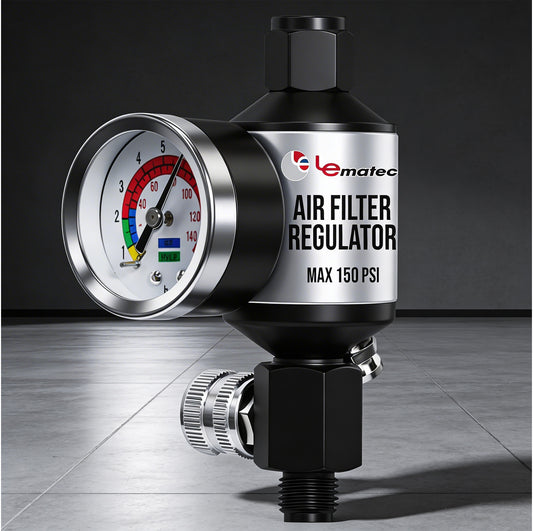
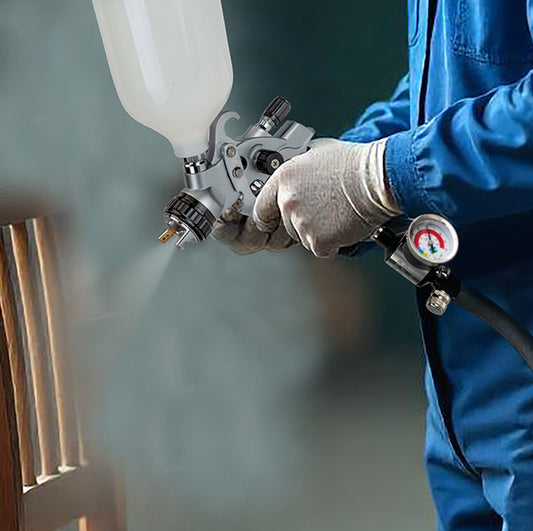


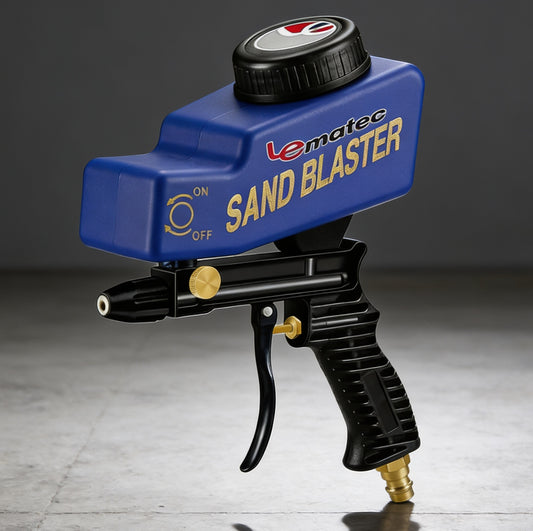
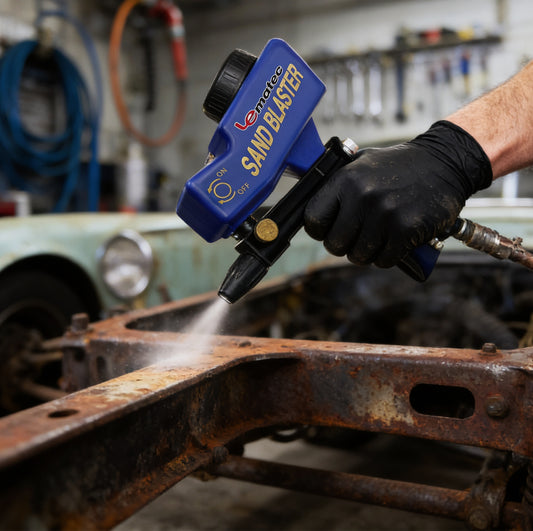
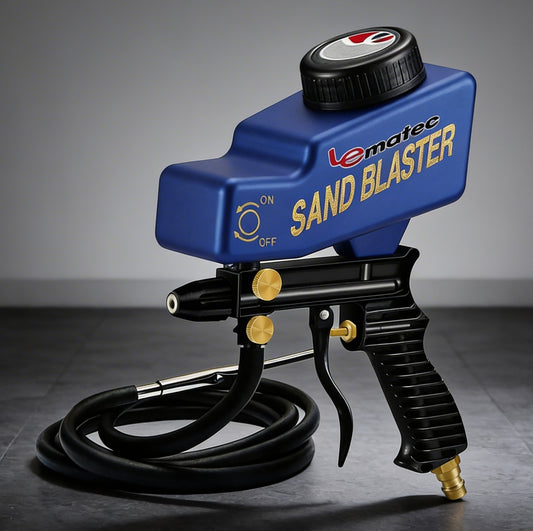

Moisture in the airline usually shows up right when you can least afford it. A paint job starts fisheyeing, a blast cabinet clogs, or an impact wrench that felt strong yesterday suddenly feels lazy. An air regulator filter water separator combo fixes the root problem by handling three jobs at once - pressure control, dirt filtration, and moisture removal before contaminated air reaches your tool.
For most shops, that combo unit is one of the smartest upgrades you can make because it protects everything downstream. It helps air tools run more consistently, cuts down on water getting into spray applications, and gives you a cleaner baseline for sandblasting, fabrication, automotive work, and general maintenance. But not every setup needs the same unit, and buying the cheapest one on the page usually costs more later in poor performance and premature tool wear.
Compressed air is rarely clean by the time it leaves the tank. It can carry condensed water, oil mist, rust scale from the tank or piping, and pressure fluctuations from compressor cycling. A combo unit is designed to deal with the biggest day-to-day problems in a compact assembly.
The regulator section keeps outlet pressure where you set it. That matters more than many buyers realize. Too much pressure can shorten tool life, waste air, and make a tool hit harder than needed. Too little pressure leaves torque on the table and makes tools feel inconsistent. If you are running a die grinder, inflator, blast gun, or paint-related setup, stable pressure is part of getting repeatable results.
The filter section catches particles before they reach seals, valves, and internal passages. Grit inside a pneumatic tool acts like grinding compound. Even small contamination can affect smooth operation over time.
The water separator removes condensed moisture from the airflow. This is the part that saves you from a lot of headaches. Water in compressed air causes rust, weakens blasting consistency, interferes with finishing work, and can make certain tools feel rough or sticky during operation.
You can build an air treatment system one piece at a time, and in larger systems that is often the right call. But for many garages, fabrication spaces, and maintenance benches, an air regulator filter water separator combo is the practical option because it saves space, reduces installation hassle, and handles the problems most users face every day.
A combo unit also makes purchasing simpler. Instead of piecing together separate components and guessing whether the ports, flow rate, and pressure range match, you start with a package built to work together. That is especially useful for buyers who know they need cleaner, controlled air but do not want to overbuild a small or mid-size setup.
There is a trade-off, though. A compact combo is efficient, but it is not a miracle cure for every air-quality issue. If you are doing high-end paint work, running long duty cycles in humid conditions, or feeding multiple tools at once, you may still need more drying capacity, added filtration stages, or a better piping layout upstream.
The first number to look at is flow. If the unit cannot support the air volume your tool needs, pressure will drop under load and the whole system will feel weak. That is why a regulator that looks fine on paper can still perform badly when connected to a high-demand grinder, sander, or blasting setup. Match the combo to your real operating CFM, not just the compressor label.
Port size matters too. A small-port unit can become a restriction even if the pressure rating seems adequate. For occasional use on lighter tools, smaller ports may be fine. For frequent use, longer hose runs, or tools with higher air demand, stepping up in port size usually helps maintain better flow.
Bowl capacity and drain style are worth checking before you buy. A separator that collects moisture efficiently but fills quickly will need regular attention, especially in humid climates. Manual drains are common and reliable, but they depend on the operator actually using them. Automatic drains add convenience if your setup sees steady use.
Adjustability is another factor. You want a regulator that holds setting accurately and is easy to read. A clear gauge and a smooth adjustment knob sound basic, but they matter when you are dialing air pressure for specific tools or trying to troubleshoot performance issues.
Finally, think about where the unit will live. If it is mounted near the compressor, it may catch some moisture and debris early, but hot compressed air can still carry vapor farther down the line. In many shops, the best location is closer to the point of use, after some cooling distance, where water has had a better chance to condense before it reaches the separator.
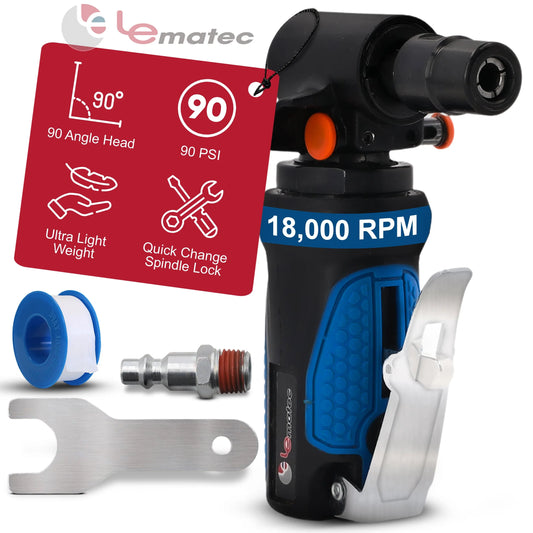
For impact wrenches, ratchets, nailers, inflators, and many general-purpose pneumatic tools, one properly sized combo unit near the workstation is often enough to improve reliability and day-to-day performance. If your main issue is visible moisture, dirty air, or unstable pressure, this is usually the first fix to make.
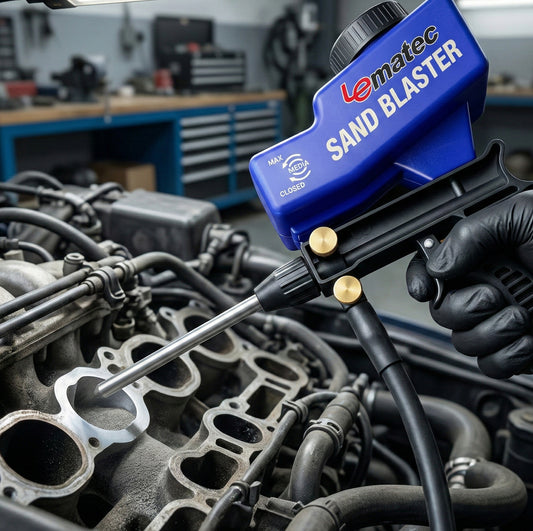
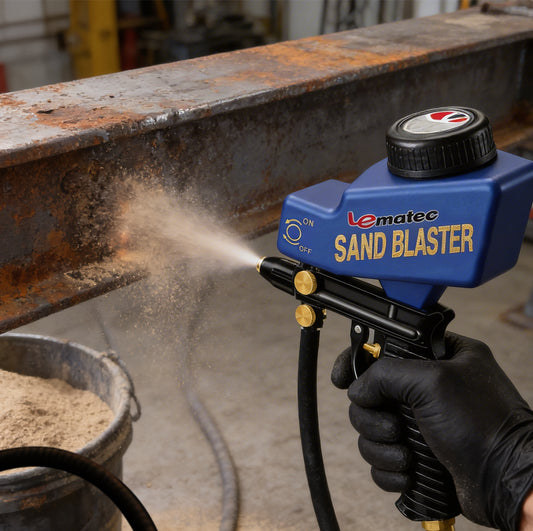
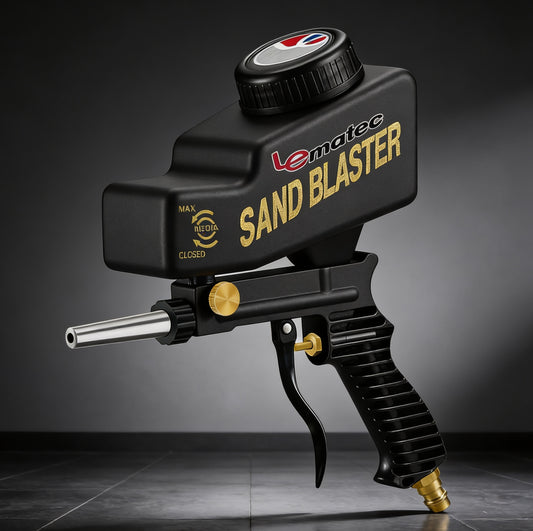
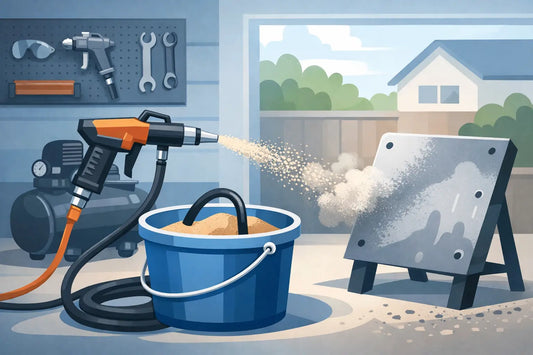
For sandblasting, the answer depends on duty cycle and finish expectations. A combo unit absolutely helps, but blasting consumes a lot of air and can reveal weak spots in the whole system. If moisture is heavy, media can clump and flow can become erratic. In that case, the combo should be part of the solution, not the entire solution.
For paint and finish work, expectations need to be higher. A basic air regulator filter water separator combo is a strong first line of defense, but if you are chasing cleaner finishes, you may need additional filtration or dedicated drying downstream. Moisture control for finish-sensitive work is less forgiving than for general tool use.
The biggest mistake is undersizing the unit. Many buyers focus on fitting threads instead of actual flow demand, then wonder why the tool starves when they pull the trigger. If pressure drops sharply during use, sizing is the first place to look.
The second mistake is mounting the combo in the wrong spot. If you install it immediately off the compressor outlet, the air may still be too hot for effective moisture separation. Water vapor needs time and cooling to condense into droplets that the separator can remove.
The third is skipping maintenance. A dirty filter element, a full bowl, or a neglected drain turns a useful component into a restriction. These units are low maintenance, not no maintenance.
The last common issue is expecting air treatment to compensate for an inadequate compressor. If your compressor cannot keep up with demand, no regulator or separator will create airflow that is not there. Clean, dry air still has to be delivered in enough volume.
Install the unit where you can read it easily and service it without fighting other equipment. Keep the bowl visible. If checking the separator feels inconvenient, it probably will not get checked often enough.
Use correct fittings and seal connections properly, but do not overdo thread sealant to the point that material can break loose inside the line. Once mounted, set pressure with the tool running if possible. Static gauge readings do not always show what happens under real load.
After that, upkeep is straightforward. Drain collected water regularly, inspect the filter element, and verify the regulator still holds pressure consistently. In wet seasons or high-use shops, you will need to check it more often. That small habit protects a lot of expensive gear downstream.
A good combo unit does more than clean up your air line. It gives your tools a fair shot at performing the way they were built to perform. If your shop depends on pneumatic equipment, an air regulator filter water separator combo is not a nice extra - it is basic insurance against wasted air, avoidable wear, and frustrating results. Buy for real airflow, install it where it can work, and your whole setup gets easier to live with.








 AIR REGULATORS

 ACCESSORIES