Shopping Cart
(0)
Free shipping included — no minimum on any US order

Quick Search:

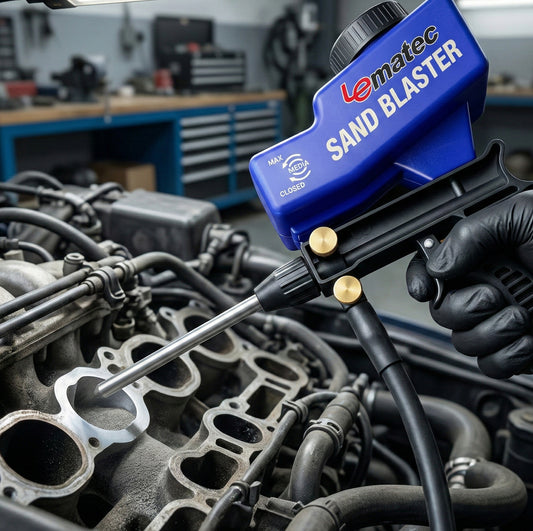
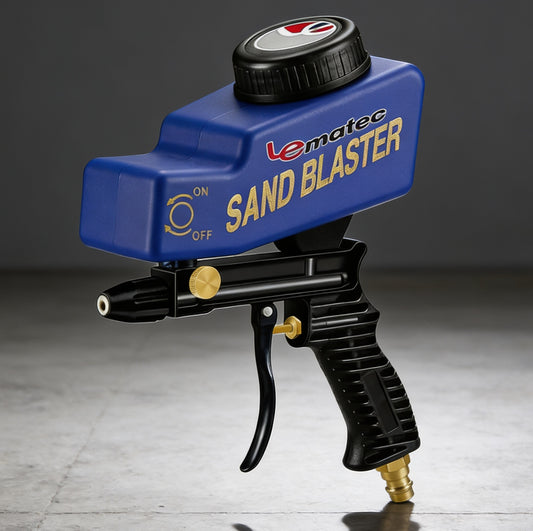
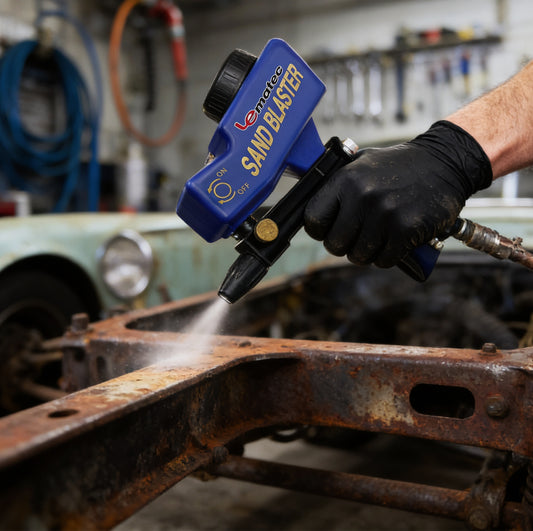
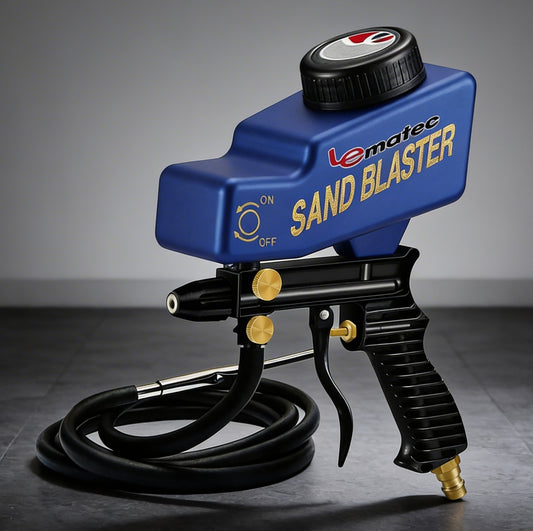
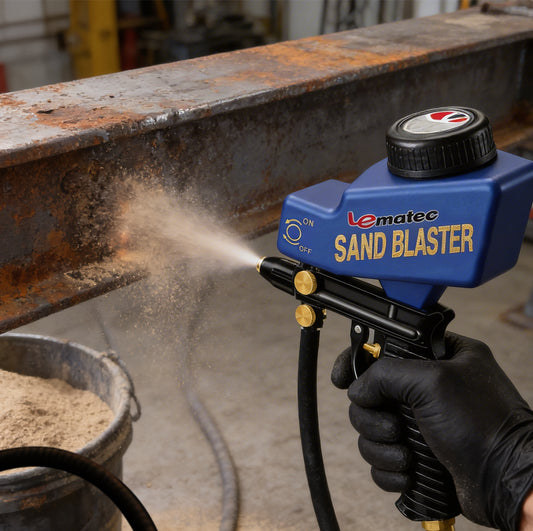
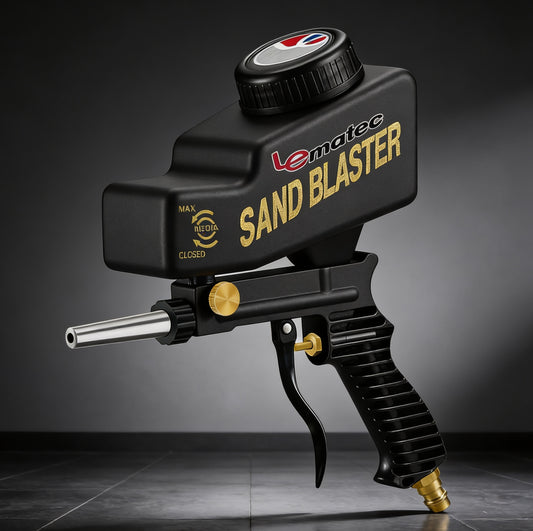
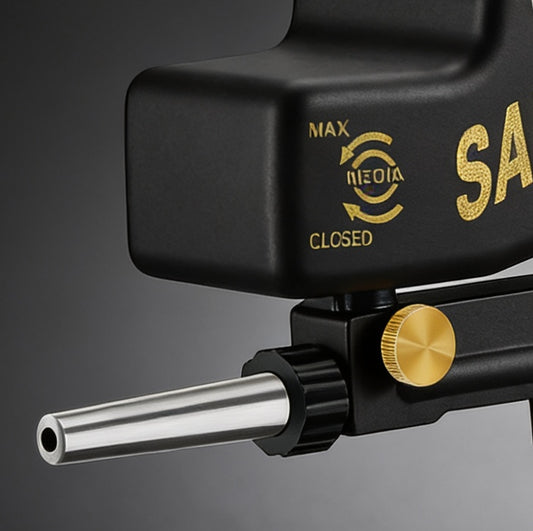

If you are staring at rusted suspension parts, baked-on paint, or delicate aluminum trim, the air sandblaster vs soda blaster question matters fast. The wrong choice can waste media, slow the job, or leave you with extra cleanup and rework. The right choice gets the surface where it needs to be without beating up the material underneath.
For most buyers, this is not really about which machine sounds better on paper. It is about what you are stripping, how aggressive you need to be, what air supply you have, and how clean the finished surface needs to be before primer, paint, or reassembly. That is where the real difference shows up.
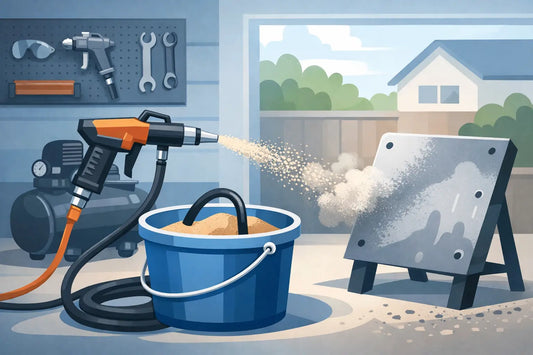
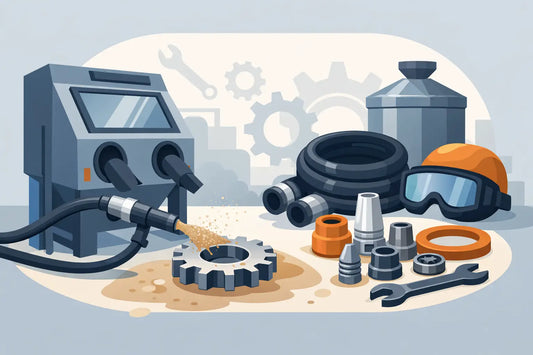
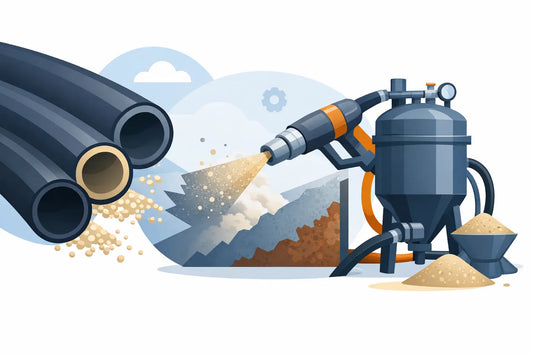
An air sandblaster uses compressed air to propel abrasive media at the work surface. That media might be aluminum oxide, crushed glass, silicon carbide, garnet, or other blasting abrasives depending on the job. The point is cutting power. You use it when material has to come off quickly and you are willing to trade some gentleness for speed and bite.
A soda blaster also runs on compressed air, but it uses sodium bicarbonate media. Soda is far less aggressive than traditional abrasive blasting media. Instead of digging hard into the surface, it lifts contaminants, coatings, grease, and light oxidation with a much softer action.
That difference changes everything. Traditional abrasive blasting is usually better for heavy rust, thick scale, and serious coating removal. Soda blasting is usually better when the base material is easy to damage, or when you need to clean and strip without leaving a deep profile.
If you are working on steel that has real corrosion, an air sandblaster is usually the right tool. Rust scale on frames, suspension parts, equipment housings, welded fabrications, and older metal panels often needs a harder media to cut through fast enough to keep the job moving.
This is also the stronger option when you need surface profile for coating adhesion. Primers and industrial coatings often perform better when the surface has some tooth. Abrasive media can create that anchor pattern. Soda generally does not. If the next step is epoxy primer on bare steel, abrasive blasting often fits the process better.
Paint removal is another area where a sandblaster often wins on speed. Thick finishes, powder coat, and multi-layer coatings can take a long time with soda. A conventional abrasive setup can remove stubborn material much faster, especially on durable steel parts that are not sensitive to surface texture.
The trade-off is that aggressive media can damage softer materials or warp thinner panels if the operator gets too close, holds the stream too long, or uses too much pressure. More power is useful, but it is less forgiving.
Abrasive blasting is usually the better call for steel wheels, chassis parts, brackets, heavily rusted tools, equipment restoration, and weld-prep cleanup. It is also the more practical choice when production speed matters more than a cosmetic finish straight out of the cabinet or pot.
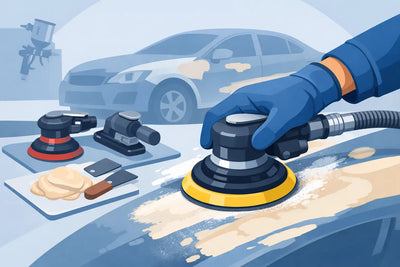
Soda blasting earns its keep when the surface matters as much as the material you are removing. It is popular for automotive restoration because it can strip paint from thinner panels, fiberglass, and some trim with less risk of stretching or gouging the base material.
It is also useful for cleaning work where you want less damage to the substrate. Think grease, oil residue, carbon buildup, soot damage, or surface contamination on softer metals. Soda can clean without the same cutting action you get from hard abrasives.
That softer action is a real advantage on aluminum, stainless trim, some plastics, and delicate sheet metal. If you are trying to preserve dimensions, avoid heavy etching, or reduce the risk of panel distortion, soda often gives you more control.
The trade-off is simple. Soda is not the tool for serious rust. If oxidation is deep or scale is heavy, soda can be slow to the point of frustration. You may end up spending more time and more media, only to switch tools anyway.
Soda works well for auto body paint stripping, engine bay cleanup, soot and fire restoration, mold or contaminant removal on suitable surfaces, and cleaning parts where you do not want aggressive abrasion. It is also a smart fit when a near-finished surface needs cleanup rather than reshaping.
One of the biggest differences in the air sandblaster vs soda blaster decision is what the surface looks like after blasting. Abrasive media leaves a profile. Sometimes that is exactly what you want. On bare steel before primer, it can improve coating grip. On softer metals or finished parts, it can be too much.
Soda leaves a much smoother result. That is useful when preserving the underlying material is the priority. But if you plan to paint afterward, you need to account for residue and surface prep. Soda can leave behind an alkaline film that needs to be cleaned thoroughly before coatings go on. If that step gets skipped, adhesion problems can follow.
With abrasive blasting, cleanup is usually more about dust, spent media, and making sure the part is clean and dry. With soda, cleanup is more chemistry-sensitive if paint is next. That does not make soda worse. It just means the process has to match the finish requirements.
Both tools depend on compressed air, but performance comes down to matching the blaster, nozzle, media, and compressor output. A blaster that outruns your compressor will surge, lose consistency, and waste time.
Abrasive blasting usually puts more focus on wear parts and flow consistency because harder media is tougher on nozzles, valves, and hoses. Soda blasting can be easier on some components, but the media itself needs to stay dry and flowing properly. Moisture control matters either way. If your air system is feeding wet air into the blaster, performance drops and clogs become a real problem.
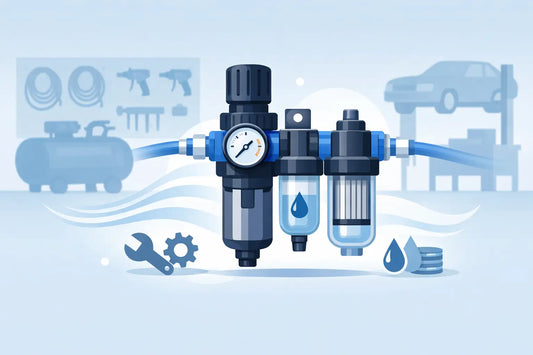
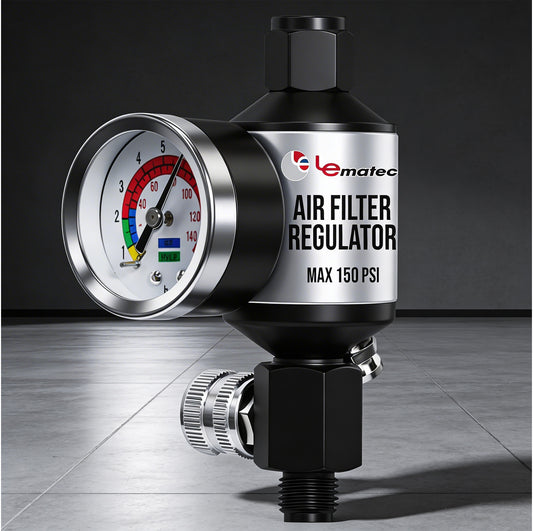
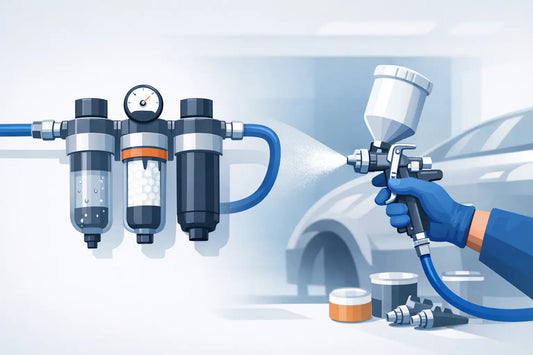
This is why filters, regulators, and moisture management are not side purchases. They are part of a working blasting setup. A good blaster with poor air prep is still a poor setup.
On pure stripping power, abrasive blasting is usually more cost-effective for hard jobs because it finishes faster. On delicate work, soda can save money by reducing the risk of damage, warping, or over-blasting a part that is expensive to replace.
Cleanup depends on where and how you work. Soda is water-soluble, which can make some cleanup easier, but it is not automatically a free pass. Residue still needs to be managed correctly, especially before painting. Traditional blasting media can be messier and rougher on surrounding equipment, so containment matters more.
If you are running a small shop or home garage, the best option is often the one that keeps the entire job predictable. Fast stripping is great, but not if it creates extra finishing work. Gentle cleaning is great, but not if it adds hours to a rust-removal job.
If most of your work is rust removal, steel prep, coating removal, and fabrication cleanup, an air sandblaster is usually the smarter investment. It gives you the flexibility to pair different media with different tasks, and it handles hard jobs with fewer compromises.
If your work leans toward automotive restoration, paint stripping on thinner materials, sensitive surfaces, and cleanup where minimal abrasion matters, a soda blaster may be the better fit. It is not as aggressive, but that is the point.
A lot of experienced users end up deciding based on job mix, not theory. If 80 percent of your work is steel parts with corrosion, soda will feel underpowered. If 80 percent of your work is panel stripping and sensitive materials, aggressive abrasive blasting can create problems you did not need.
There is also a middle-ground reality. Some shops keep both options available because no single media is best at everything. That is often the most efficient answer when you handle mixed restoration, maintenance, or prep work.
The best buying decision is not based on which blaster is more popular. It is based on whether you need cutting action or controlled cleaning. That is the real split in the air sandblaster vs soda blaster debate.
If you need speed, rust removal, and a surface profile for coatings, go abrasive. If you need gentler stripping, less surface damage, and more control on delicate materials, go soda. And if uptime matters, build the setup correctly from the start with the right media, dry air, and hardware that can hold up when the work starts piling up.
A blaster should make the job easier, not create a second job fixing the first one.


 AIR REGULATORS

 ACCESSORIES