Shopping Cart
(0)
Free shipping included — no minimum on any US order

Quick Search:

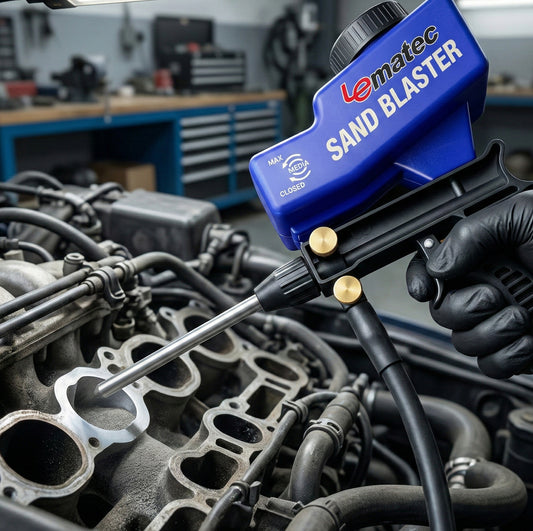
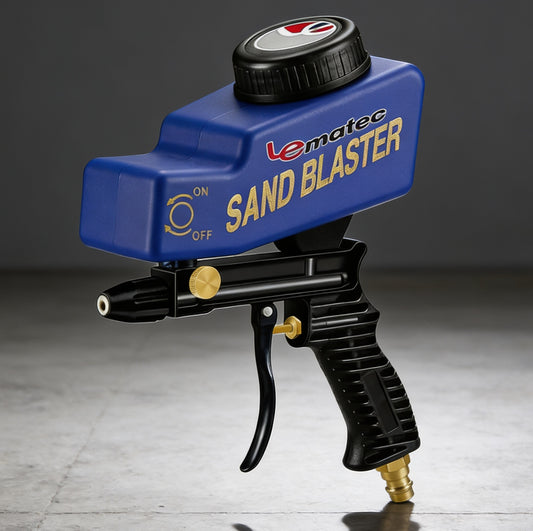

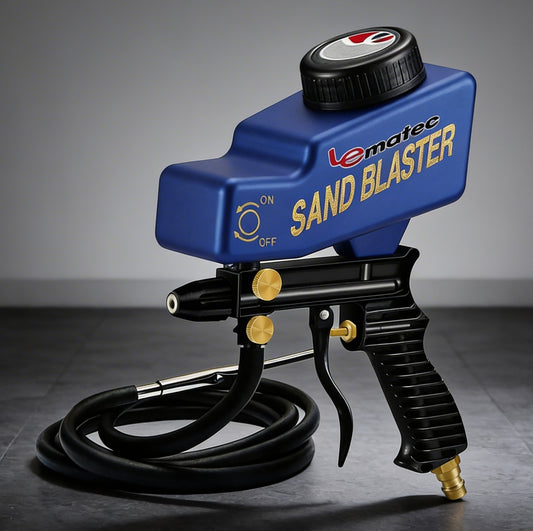

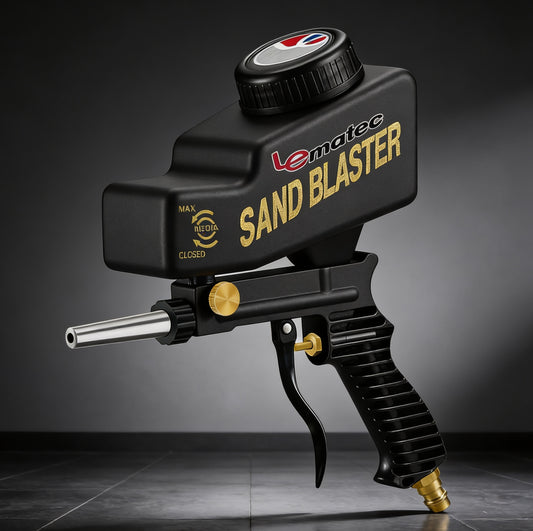

If you have ever spent an hour fighting rust scale with a wire wheel in a tight corner, you already know why an air needle scaler review matters. This is one of those tools that can save real time, but only if you buy the right one for the work in front of you. A bad scaler wastes air, beats up your hands, and still leaves material behind. A good one gets into seams, around welds, and across rough steel fast enough to earn its place in the shop.
An air needle scaler is not a finish tool. It is a removal tool. That sounds obvious, but it is the first thing buyers get wrong. If you expect a smooth cosmetic surface straight off the tool, you will be disappointed. If you need to break loose rust, chipped paint, slag, and heavy contamination before sanding, grinding, or coating prep, this tool makes a lot more sense.
The best use case for a needle scaler is ugly surface prep where access matters as much as power. Automotive frame rust, suspension parts, weld cleanup, farm equipment, trailer repair, marine corrosion, and structural steel maintenance are all solid matches. The bundle of steel needles reaches spots a flap disc cannot, especially inside channels, around brackets, and along uneven weld beads.
That reach is the real selling point. A grinder is faster on broad, open steel. A sandblaster can leave a cleaner profile on the right setup. But when the surface is irregular or boxed in, a needle scaler starts making money. It gets into texture instead of skating over it.
This is also a practical tool for maintenance teams who need controlled removal without dragging out larger prep equipment. If the job is spot repair instead of full-panel restoration, an air needle scaler can be the quicker answer.
Most buyers focus on blows per minute first. That spec matters, but it does not tell the whole story. A scaler can post decent numbers on paper and still feel weak if the stroke is short, the needles are poor quality, or the tool struggles under normal shop air conditions.
The first thing to look at is impact consistency. A good scaler keeps hitting hard when leaned into rust and scale. Cheap models often chatter without doing much work, especially once they meet thick corrosion. That is where better valve design and internal build quality show up.
Needle quality is next. Hardened needles hold up longer and stay effective under repeated heavy use. Soft needles mushroom, bend, or wear too fast, which turns a value-priced tool into an expensive one over time. Replacement needle availability matters too. If consumables are hard to get, downtime becomes part of the price.
Then there is barrel and grip design. Needle scalers vibrate by nature. You are not going to make them gentle. But some are easier to control and less fatiguing over a full shift. A balanced body, predictable trigger, and decent grip shape make more difference than marketing copy suggests.
This is where many online tool reviews miss the mark. An air needle scaler is only as good as the air feeding it. If your compressor cannot keep up, you will blame the tool for a shop setup problem.
Most users should pay close attention to average CFM demand at working pressure, not just maximum PSI claims. A scaler that needs steady airflow will feel underpowered on a small portable compressor, even if the tank initially reaches the right pressure. Once pressure drops, performance drops with it.
For hobby use, you can still run one effectively if you work in shorter bursts and give the compressor recovery time. For heavier shop use, you want enough compressor capacity to keep the tool hitting consistently. If rust removal is part of your weekly workflow, air supply is not the place to cut corners.
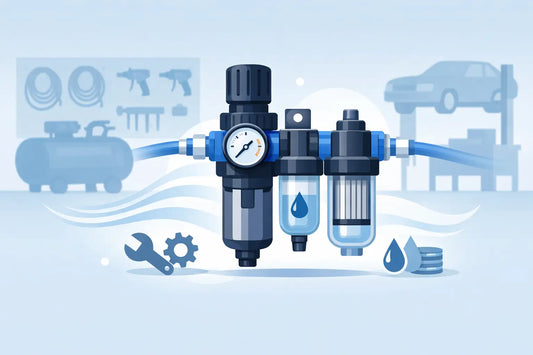
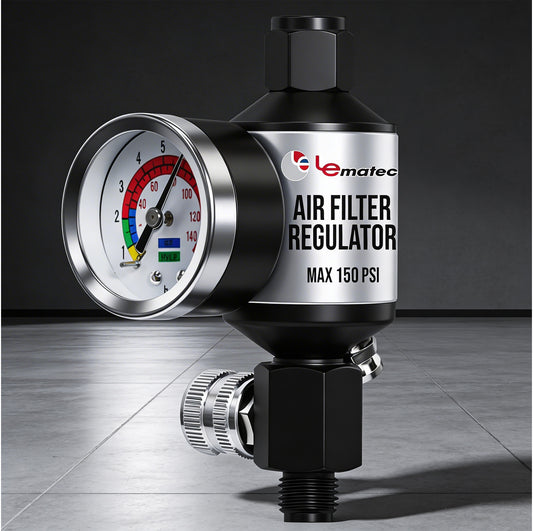
A regulator and clean, dry air also matter more than some buyers expect. Moisture and dirty air shorten tool life, reduce efficiency, and create reliability problems that look like product defects. If you are serious about pneumatic tools, stable air delivery is part of getting your money's worth.
No honest air needle scaler review should pretend comfort is secondary. This tool is loud, vibrates hard, and throws debris. Even strong performers can become a bad buy if they wear you out too fast.
Trigger control is part of comfort. Some scalers are basically on or off with little feel. Others give you better modulation when cleaning around sensitive edges or working close to a weld you do not want to overwork. That level of control is not a luxury. It affects accuracy and fatigue.
Weight matters too, but not in a simple lighter-is-better way. An ultra-light body can feel more twitchy and transmit more vibration. A little mass can help stability. The better choice depends on whether you are working overhead, inside a vehicle, or on a bench.
Noise is another trade-off. Needle scalers are never quiet, but some are noticeably harsher than others. In a production setting, that difference adds up. Good hearing protection is mandatory, not optional.
This is where a practical review helps more than hype. If you are cleaning large flat panels, a needle scaler is usually not your fastest option. You will get the job done, but not efficiently. A grinder, sander, or blasting setup may cover broad surfaces faster and leave a more uniform result.
It is also not ideal for delicate sheet metal where repeated impact can distort thin material or leave a rougher texture than you want. On body panels, you need to think carefully about the substrate and the next step in the process.
If your goal is final paint-ready prep, this is still just one stage in the workflow. It removes stubborn contamination well, but it does not replace follow-up sanding, grinding, or cleaning. Buyers who understand that tend to be happier with the tool.
For mechanics, fabricators, restoration shops, and maintenance crews, the value is easy to justify if corrosion or weld cleanup is regular work. The time savings in hard-to-reach areas can be substantial. It is one of those tools that may not run every hour of the day, but when you need it, nothing else works quite the same way.
For serious DIY users, the decision comes down to project mix. If you are restoring old equipment, cleaning rusted chassis components, or dealing with heavy scale on a recurring basis, it is a smart addition. If you only have one small project and mostly flat accessible surfaces, another prep tool may give you better value.
In any air needle scaler review, the right question is not whether the tool works. Most do, at least for a while. The real question is whether it works reliably under your air system, on your material, and for the amount of time you plan to use it.
Buy for duty level, not optimism. If you are a light user, a value-focused scaler may be enough. If this tool supports paid work, look harder at build quality, replacement parts, and warranty coverage. Downtime costs more than the price gap between entry-level and better-built tools.
It also pays to buy from a supplier that treats air tools like working equipment rather than disposable imports. Fast shipping, clear support, and real warranty backing matter more with pneumatic tools because buyers are counting on uptime. That is one reason shops buying from places like Pro Air Tools tend to focus on reliability promises, not just sticker price.
A good air needle scaler is not flashy, and it is not versatile in the way a grinder or impact wrench is. But for rust scale, weld slag, and uneven surface cleanup in places other tools cannot reach, it solves a real problem fast. If your compressor can support it and your work regularly includes rough prep, it is a practical buy. Choose one with solid internal build quality, replaceable needles, and support you can count on, and it will earn shelf space the first time a wire wheel comes up short.



 AIR REGULATORS

 ACCESSORIES