Shopping Cart
(0)
Free shipping included — no minimum on any US order

Quick Search:
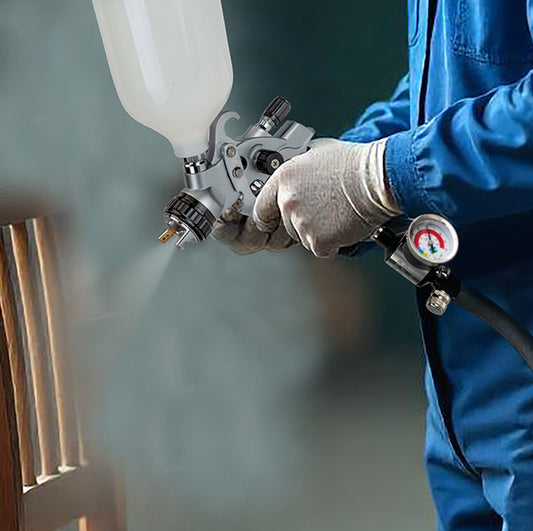
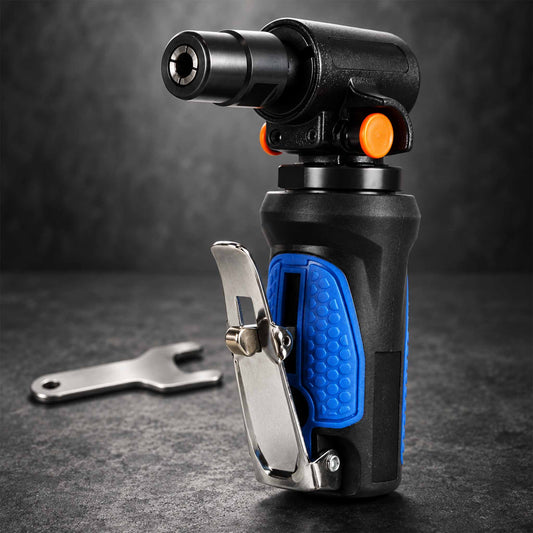
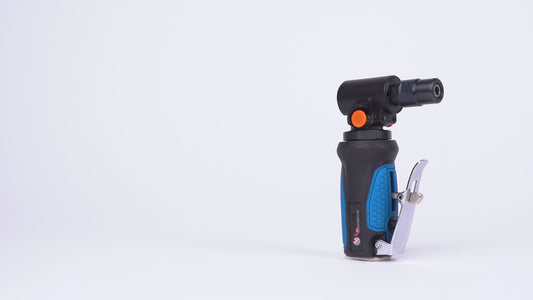

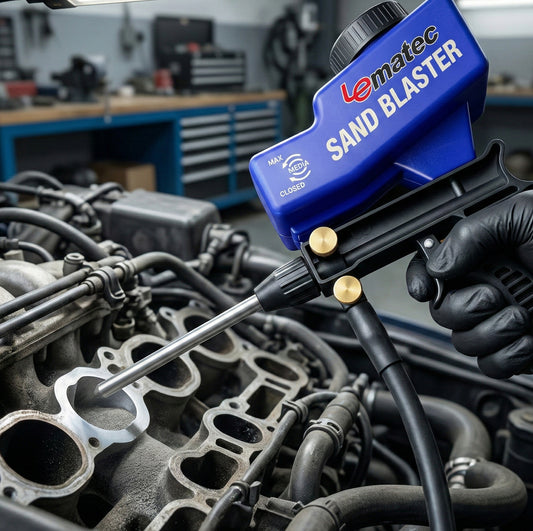



A garage setup usually gets judged by the compressor first. Fair enough. But the real difference between a frustrating workspace and one that saves time every weekend comes down to the tools hanging off that air line. If you're sorting out the best pneumatic tools for garage use, the goal is not buying the biggest catalog all at once. It's choosing the tools that actually get used, hold up under load, and match the air system you already have.
For most home garages and small shops, that means starting with a core group of air tools that cover tire service, fastener removal, cutting, grinding, surface prep, and general repair. Pneumatic tools still earn their place because they stay lighter in the hand than many electric alternatives, run cool in repeated use, and keep delivering consistent power when the compressor and air setup are sized correctly. The catch is simple: the wrong tool on an undersized compressor will disappoint you fast.
The best pneumatic tools for garage work are not always the highest torque or the most expensive models. They are the tools that solve common jobs without demanding more air than your system can provide. In a typical two-car garage, compressor capacity matters just as much as tool choice.
A compact impact wrench may outperform a heavier model in real-world use if your compressor cannot keep up with high CFM demand. The same goes for grinders and sanders. These tools can be excellent, but they are air-hungry. If your garage compressor is in the 20 to 30 gallon range, you will get better results from short-burst tools first, then add continuous-run tools later when your air system grows.
You should also look at duty cycle, hose size, regulator quality, and moisture control. A tool can be perfectly capable on paper and still feel weak if it's starved by a restrictive coupler or fed wet air all season.
If there is one tool most garage owners buy first, it is the impact wrench. For lug nuts, suspension hardware, rusty fasteners, and general teardown work, nothing saves more time. A 1/2-inch drive model is the sweet spot for most garages because it covers tire rotation, brake work, and a lot of automotive repair without becoming too specialized.
The trade-off is torque versus air demand. High-output impacts are great, but many users are better served by a balanced model with strong breakaway torque and moderate CFM requirements. If your garage compressor is modest, a compact 1/2-inch impact often works better in practice than a larger, hungrier unit.
An impact wrench breaks fasteners loose. An air ratchet speeds up everything after that. Interior bolts, engine bay brackets, hose clamp jobs, and repetitive assembly work go much faster with one in hand. It is not a replacement for an impact, but paired together they make garage work noticeably easier.
This is one of the most practical buys for anyone doing regular automotive maintenance. It also tends to be easy on air consumption, which makes it a strong fit for home setups.
A tire inflator sounds basic until you use a good one regularly. Then it becomes one of the most-used tools in the garage. Whether you're topping off daily drivers, setting pressure on trailer tires, or adjusting tires after brake and wheel work, a dedicated inflator with a clear gauge saves trips and guesswork.
This is not the flashy purchase, but it is a smart one. It asks very little from your compressor and delivers value right away.
When rust, corrosion, and age turn a simple repair into a fight, a pneumatic hammer earns its keep. Exhaust work, stubborn suspension components, seized pins, and sheet metal separation are classic use cases. In garages where older vehicles are common, this tool quickly moves from occasional use to must-have status.
It does take control. A pneumatic hammer can do clean work or rough work depending on the bit and the operator. For a garage that sees restoration, repair, or body-related jobs, it is one of the more useful specialty tools to have ready.
An air grinder is where a garage starts feeling like a real fabrication and repair space. Cleaning welds, knocking down rust, shaping metal, smoothing rough edges, and prepping surfaces all become faster with the right grinder. Straight grinders and angle grinders each have their place, and many serious users end up owning both.
The important caveat is air consumption. Grinders can drain a small compressor quickly, so this is where expectations need to stay realistic. If your system is limited, use the grinder for shorter tasks or step up your air delivery before expecting all-day performance.
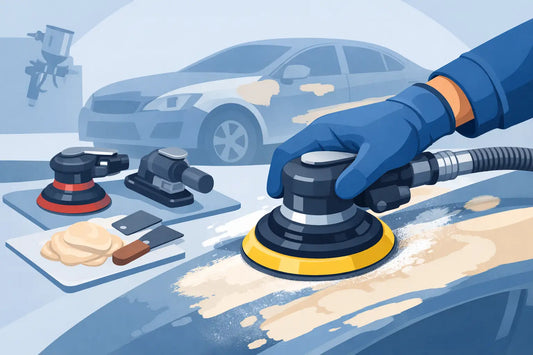
For bodywork, metal finishing, tight-space cleanup, and weld blending, a pneumatic belt sander is one of those tools that proves its value once you use it on the right job. It gives you more control than a larger shop sander and can get into places bulkier tools cannot.
This is not usually a first purchase for a basic garage, but for fabrication hobbyists, restoration work, or anyone doing finish prep, it belongs on the short list. It helps turn rough repair work into cleaner final results.
The air drill still makes sense in a garage that values durability and repeated use. It handles drilling in metal, light fabrication, and general repair work without the heat issues that can wear on electric units during heavy repetitive use. It is especially useful in shops where compressed air is always available and the tool gets used often enough to justify staying on the hose.
That said, this is a category where some buyers may already own a cordless option they like. If you mostly drill occasionally, cordless may be enough. If you drill often in a shop environment, pneumatic remains a strong choice.
For trimming sheet metal, cutting rusted fasteners, slicing exhaust components, or handling patch-panel work, an air cut-off tool is hard to beat. It is quick, compact, and easy to maneuver in automotive spaces where larger tools are awkward.
Air scissors serve a different purpose but can be equally useful for sheet metal work. Which one makes more sense depends on your jobs. If you're cutting harder material and dealing with repair teardown, the cut-off tool usually gets the nod first.
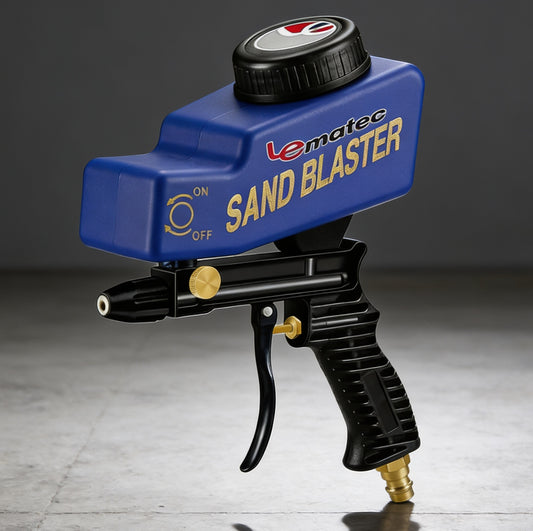
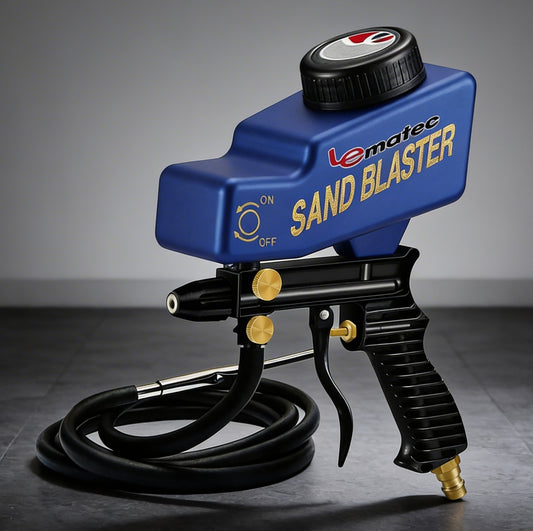
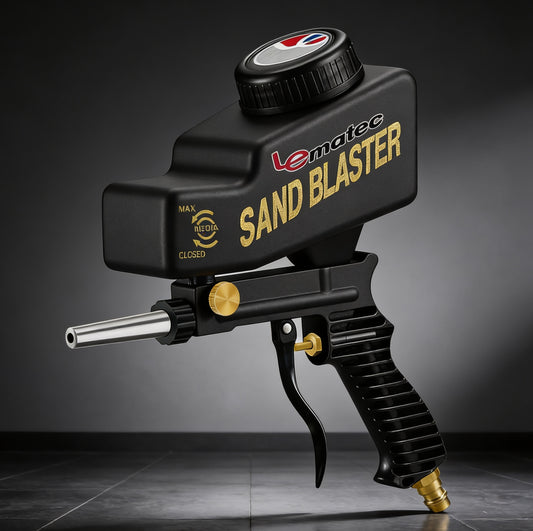
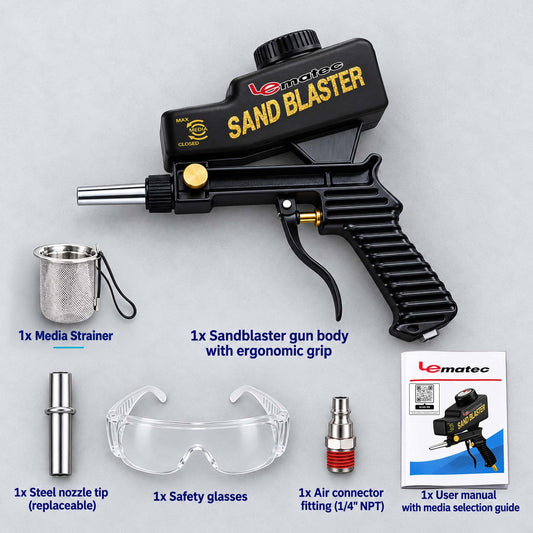
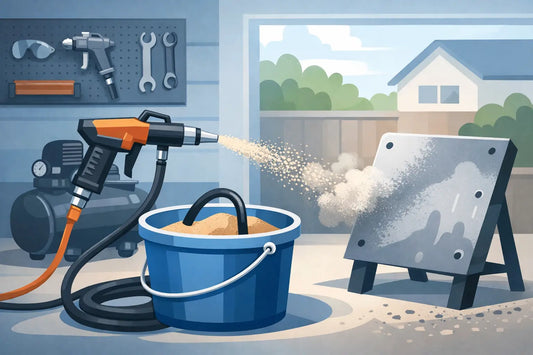
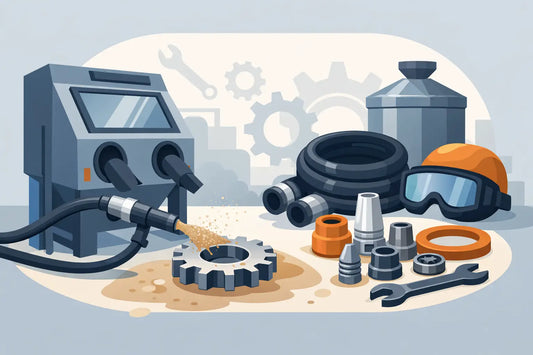
A garage focused on restoration, paint prep, rust removal, or parts cleanup should not overlook sandblasting. It is less of a single tool and more of a capability, but for the right user it can be one of the best pneumatic upgrades in the shop. Surface prep by blasting is faster, cleaner, and more consistent than many manual methods.
This is also where air system requirements become serious. Sandblasting needs volume, and trying to run it on a small compressor can turn a productive job into a stop-and-wait routine. Still, if your garage work includes frames, brackets, wheels, or prep before coating, it can pay for itself in saved labor and better finish quality.
If your garage is mostly for routine car maintenance, start with an impact wrench, air ratchet, and tire inflator. That combination covers the broadest range of jobs with the least frustration. Add a pneumatic hammer if you work on older vehicles or anything with rust.
If your space leans toward fabrication or bodywork, move the grinder, belt sander, and cut-off tool higher on the list. Surface prep and finishing tools are what separate basic repair capability from real project throughput. Just make sure your compressor can support them.
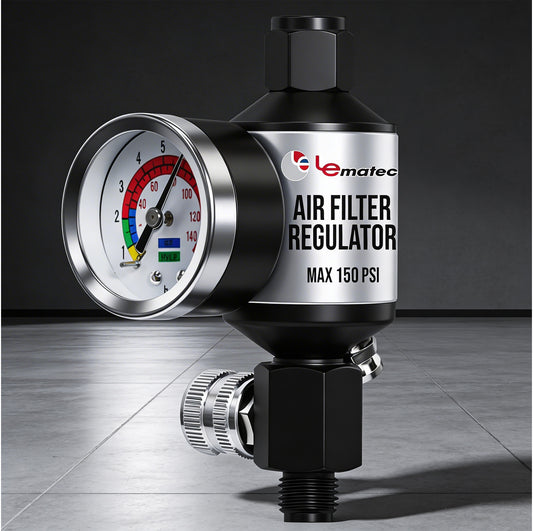
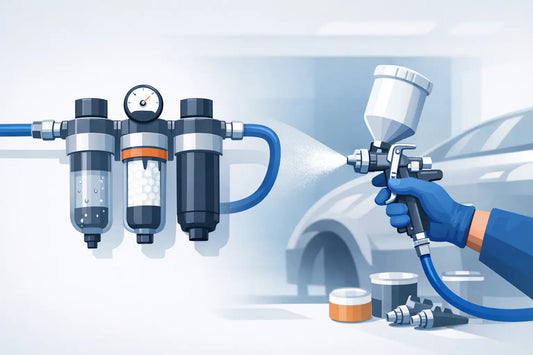
For buyers building a system from scratch, this is where it pays to think beyond the tool body. Filters, regulators, fittings, and hose quality affect performance every day. A dependable tool with poor air delivery will feel like a bad purchase, even when the problem is upstream.
That is also why support matters. When you're buying online, you want tools that show up fast, work as expected, and are backed by a real warranty. Pro Air Tools leans into that with a 36-month warranty and 1-day shipping, which matters when downtime kills momentum on a project or repair.
A lot of garage buyers waste money by shopping for edge cases. They buy the biggest impact they'll rarely need or a specialty tool that solves one future problem instead of ten current ones. A better approach is to buy around frequency. Choose the tools you will reach for every month, not once a year.
That usually means building from fastening and inflation first, then moving into cutting, grinding, and prep as your work expands. If you already know your garage is headed toward restoration or fabrication, plan your compressor and air management around that now instead of replacing undersized gear later.
The best setup is the one that keeps work moving without drama. Pick pneumatic tools that match your compressor, your workload, and the kind of jobs that actually fill your weekends. When the tool fits the work, the whole garage runs better.



 AIR REGULATORS

 ACCESSORIES