Shopping Cart
(0)
Free shipping included — no minimum on any US order

Quick Search:




A 1-inch impact that starves for air is worse than buying the wrong tool in the first place. It feels strong for a few seconds, then performance drops off, fasteners fight back, and the compressor runs nonstop trying to keep up. That is why a compressed air tool buying guide should start with the air system, not the tool body, price tag, or brand badge.
Pneumatic tools are still the right call for a lot of shop work because they deliver solid power, handle long sessions well, and keep weight down compared with many electric alternatives. But air tools only perform as well as the compressor, hose, fittings, regulator, and filtration behind them. If you buy without checking the whole setup, you can end up blaming the tool for a supply problem.
The first numbers to care about are CFM and PSI. PSI tells you the pressure the tool needs to operate correctly. CFM tells you how much air volume it consumes while working. Most buyers look at PSI because it is easy to spot, but CFM is usually what causes trouble.
A small ratchet or tire inflator may be fine on a lighter compressor. An impact wrench, die grinder, belt sander, or sandblaster can demand much more air, especially when used continuously. Intermittent tools give the compressor time to recover. Continuous-use tools do not. That difference matters more than many product pages make clear.
Tank size also gets misunderstood. A larger tank helps with reserve air, but it does not create more airflow by itself. If the pump cannot keep up with the tool's CFM demand, the tank only delays the problem. For short bursts, that may be enough. For grinding, sanding, blasting, or extended cutting, it usually is not.
Bigger is not always better. A high-torque impact sounds good until it is heavy, hard to control, and overkill for the workbench jobs you do every week. The smarter buy is the tool that fits your most common tasks and your air supply.
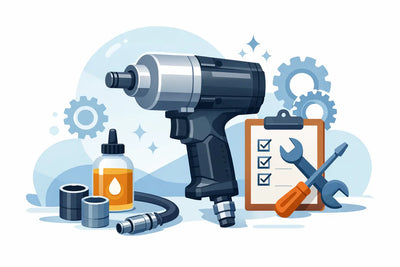
If you work on suspension, lug nuts, and stubborn fasteners, an impact wrench earns its keep quickly. The question is drive size, torque range, and how often you need full output. A 1/2-inch impact is the sweet spot for many automotive users because it covers a wide range without becoming too bulky. Step up to larger models when you are regularly handling heavier truck or equipment work.
Air ratchets are different. They are about speed and access, not breakaway torque. They shine when fasteners are already loosened and you want to move faster in tight spots. Buyers sometimes expect an air ratchet to replace an impact. It will not. It is a companion tool, not a substitute.
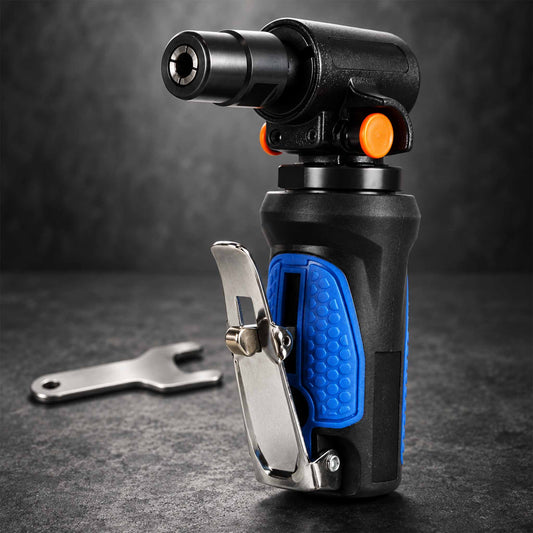
These tools can chew through air. A die grinder or angle grinder used for long stretches often exposes compressor limits faster than an impact wrench does. If your work includes fabrication, surface prep, or gasket cleanup, pay close attention to the tool's air consumption under real use, not just ideal conditions.
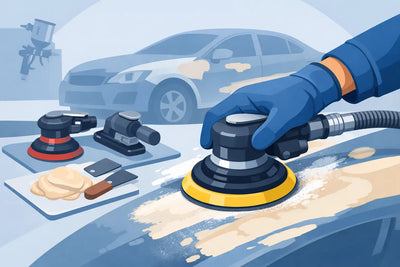
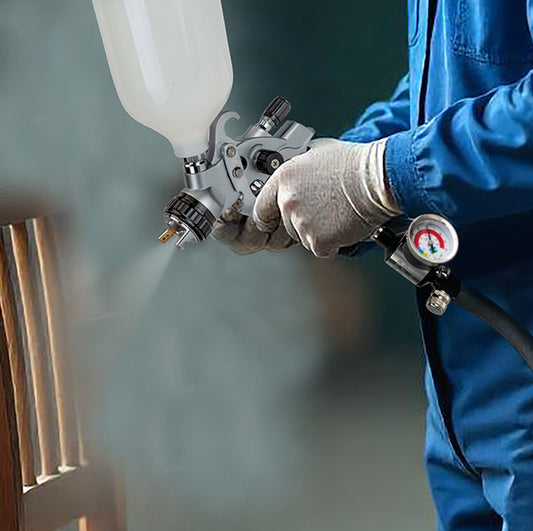
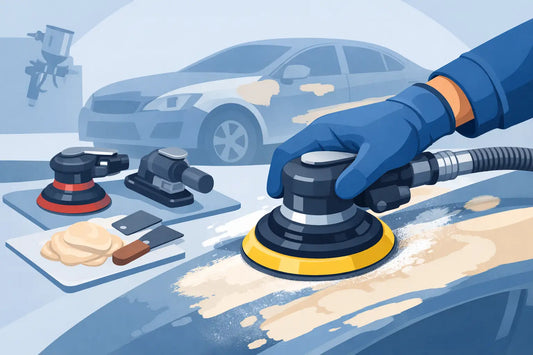
Belt sanders and orbital-style prep tools also reward a clean, dry air supply. Moisture in the line hurts consistency and can shorten tool life. If finish quality matters, your regulator and filter setup matters almost as much as the tool itself.
Pneumatic hammers are straightforward when matched to the material and duty level. The bigger buying mistake is underestimating accessory needs like chisels, retainers, or lubrication. Air drills are still a strong choice for shops that want durability and compact power, especially where long sessions would heat up battery tools.
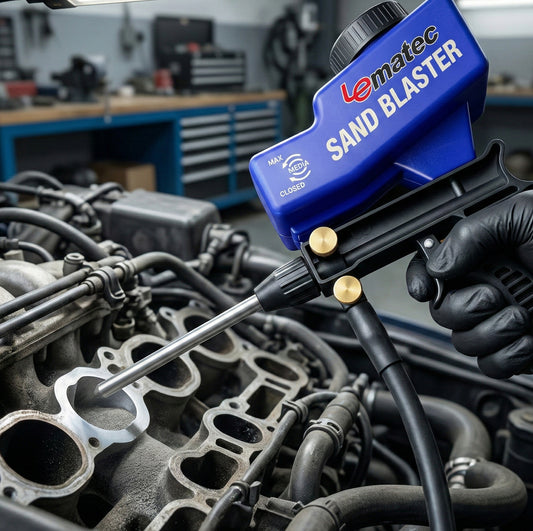
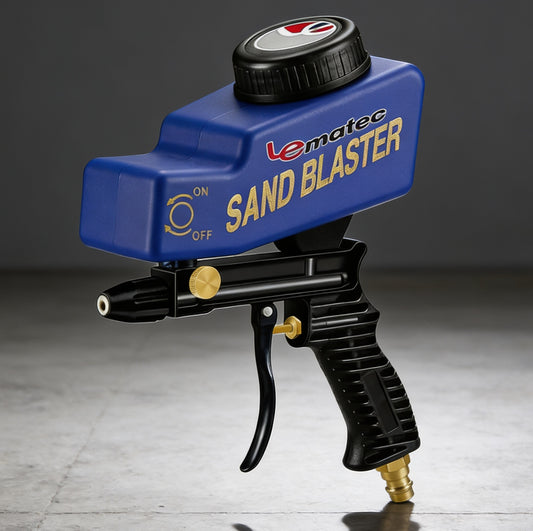
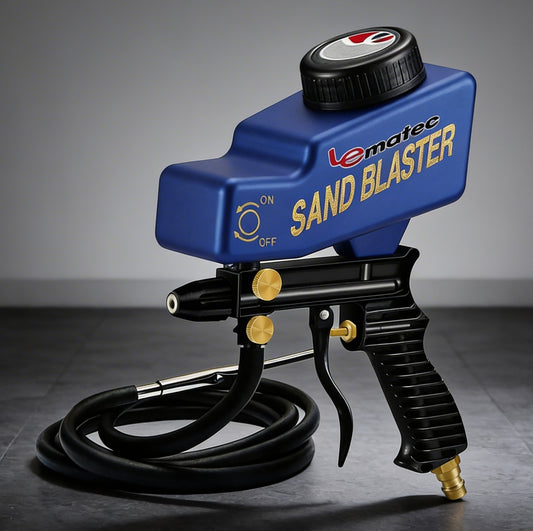
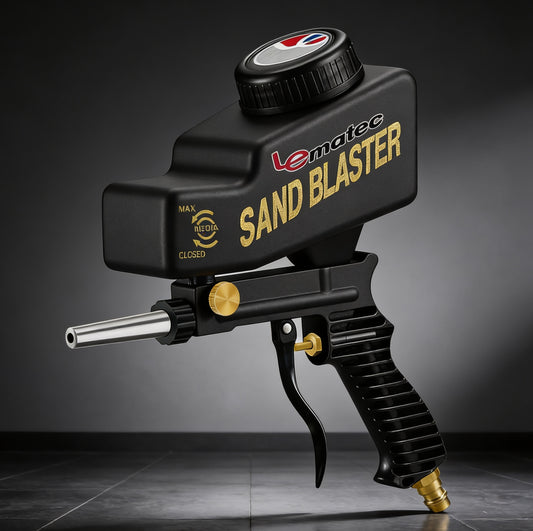
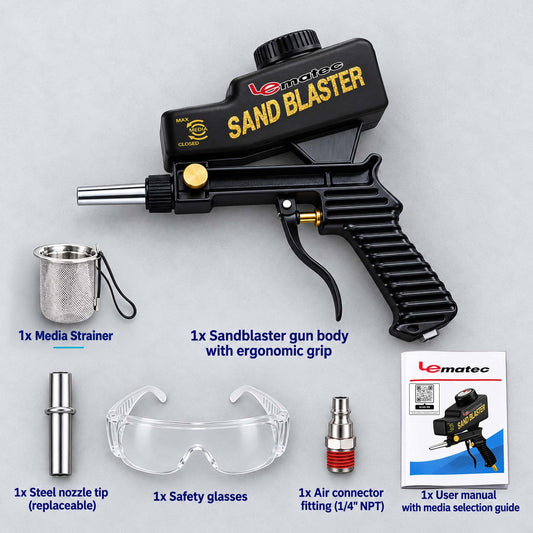
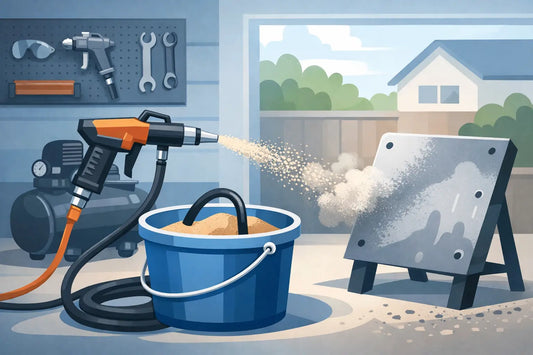
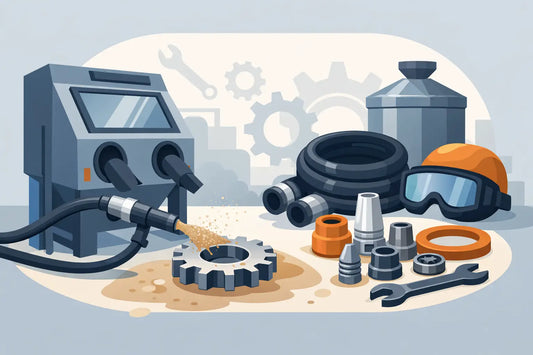
Specialty tools like tire inflators, air shears, and sandblasting equipment need a closer look at workflow. A tire inflator may be a simple add-on. A sandblasting setup is a system purchase. Media, moisture control, hose size, nozzle size, and compressor output all affect whether the setup is productive or frustrating.
A good tool can still feel weak if the hose is too narrow or the fittings choke flow. This shows up most with high-demand tools. If the tool calls for serious airflow, a longer undersized hose can cost you performance before air reaches the handle.
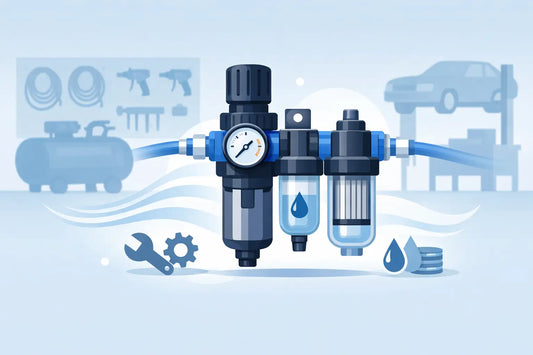
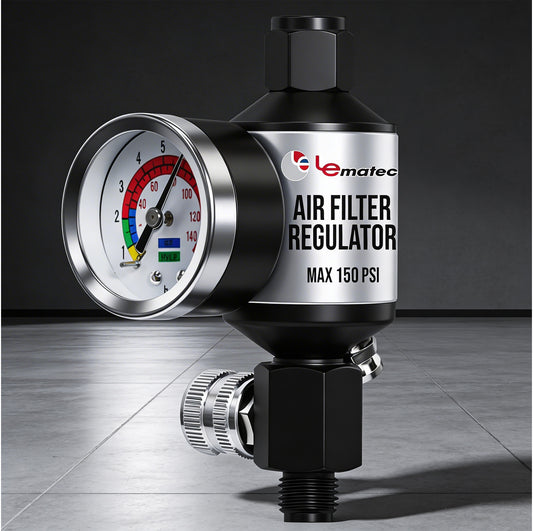
Regulators matter for control, but they can also become restriction points if they are not sized for the application. The same goes for quick-connect fittings. For lower-demand tools, standard shop setups are often fine. For grinders, sanders, and blasters, airflow restrictions become much more noticeable.
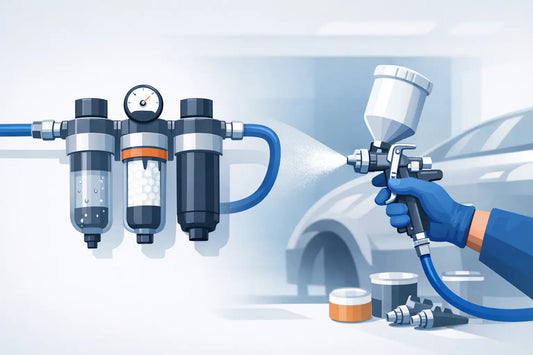
Filters and water separators are not optional if you care about consistency. Moisture causes issues in tools and ruins downstream work in paint prep or blasting. A basic setup may work for occasional DIY use, but a busier shop benefits from better filtration and easier maintenance.
A tool used for 20 seconds at a time asks very little from the compressor compared with one that runs for 10 minutes straight. This is the line between occasional convenience and production use.
That is why a compact compressor might run an impact wrench for weekend brake jobs without complaint, yet struggle badly with an air grinder during fabrication. On paper, both tools may appear compatible. In practice, the work pattern changes everything.
If your shop work is stop-and-go, you have more flexibility. If your work is steady and repetitive, buy for sustained demand. It costs more upfront, but it saves time, air system strain, and replacement headaches later.
Buyers often focus on torque, speed, or price and ignore service life details. Trigger feel, composite versus metal housing, vibration control, anvil quality, bearings, and internal motor design all affect how the tool holds up.
Weight matters too. A heavier tool can feel durable, but if you use it all day, fatigue becomes part of the real cost. A lighter composite body may be the better choice for repetitive work, even if it does not feel quite as tank-like in the hand.
Support matters as much as specs when you are buying online. Fast shipping, clear warranty terms, and replacement availability reduce downtime when something goes wrong. That is a real value point, not a marketing extra. Pro Air Tools leans into that with a 36-month warranty and 1-day shipping, which is exactly the kind of support air tool buyers tend to care about most.
Some buyers want low-maintenance convenience and should be honest about that before buying. Traditional pneumatic tools often need regular lubrication to stay healthy. Skip that, and wear shows up sooner.
If your shop is disciplined about maintenance, this is not a big problem. If tools get tossed in drawers and grabbed when needed, choose models and accessories that make upkeep easier. Inline oilers, clean dry air, and simple storage habits go a long way.
Maintenance is also why cheap tools sometimes cost more over time. A bargain impact that loses power early or a grinder that eats bearings is not a deal if it interrupts work. For serious hobbyists and pros, predictable performance usually beats the lowest sticker price.
If you are building a basic home garage setup, start with the jobs you actually do most often. That usually means a 1/2-inch impact, tire inflator, and maybe an air ratchet. If fabrication is part of the plan, make sure the compressor can support grinders and cutters before you buy them.
If you run a small shop or handle steady maintenance work, buy around uptime. That means stronger airflow margins, better filtration, and tool choices that match daily use instead of occasional emergencies. Spending more on the right regulator, hose, and compressor capacity often pays back faster than stepping up one tool grade.
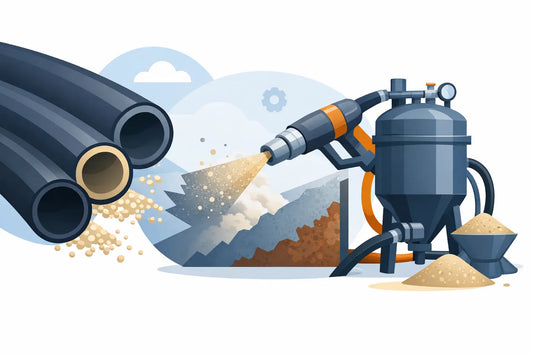
If sandblasting is on the list, treat it as its own category. Blasting is one of the fastest ways to find out whether your air system is undersized. Media choice, nozzle size, moisture control, and compressor output have to work together, or productivity falls off quickly.
A good compressed air tool buying guide is really about avoiding mismatch. The best tool on the shelf will disappoint if the air supply is weak, the hose is restrictive, or the job demands more runtime than the system can handle. On the other hand, when the setup is matched correctly, pneumatic tools are fast, dependable, and easy to keep working.
Buy for the work you do every week, not the one project you might tackle someday. If you keep airflow, duty cycle, support, and maintenance in view, you will end up with tools that make the job easier instead of adding another problem to solve.


 AIR REGULATORS

 ACCESSORIES