Shopping Cart
(0)
Free shipping included — no minimum on any US order

Quick Search:

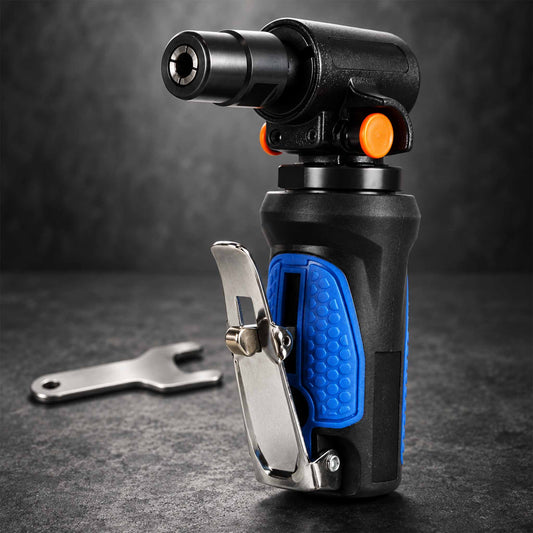





A bad cut in sheet metal usually starts before the wheel ever touches the panel. The wrong tool, the wrong disc, or not enough air supply will turn a simple trim job into warped edges, rough finish work, and wasted time. A pneumatic cutoff tool for sheet metal solves a lot of that when it is matched to the job correctly.
If you work on body panels, ducting, brackets, floor pans, or thin-gauge fabrication, air-powered cutoff tools make sense for one reason above all: they stay light, fast, and easy to control through long sessions. That matters when you are following a line on painted steel, trimming replacement panels, or cutting out rust without chewing up the surrounding material. The tool is only part of the equation, though. The wheel, compressor setup, and how you handle the cut all affect the result.
Sheet metal is unforgiving. It is thin enough to distort from heat, but still hard enough to punish a tool that chatters or bogs down. A pneumatic cutoff tool handles that balance well because the motor stays compact and delivers high rpm without adding much weight in your hand.
Compared with many electric tools, an air cutoff tool is easier to maneuver in tight spots. That matters in automotive work where you are cutting wheel arches, rocker sections, exhaust heat shields, or patch panels with limited clearance. In a fabrication shop, the same advantage shows up when trimming galvanized sheet, light steel, or aluminum on a bench without wrestling a bulky housing or battery pack.
There is also the uptime factor. If your shop already runs a compressor system, an air tool is ready to work all day without waiting on batteries or dealing with thermal cutback. For mechanics, maintenance crews, and serious DIY users, predictable runtime is often the difference between finishing a repair today or pushing it to tomorrow.
The best tool is not the one with the highest claimed speed. It is the one that matches your material, your compressor, and the kind of cuts you make most often.
Most sheet metal work falls into the small cutoff category, typically using 3-inch or 4-inch wheels. A smaller wheel gives you better access and control, which is ideal for bodywork and detail trimming. A larger wheel gives you a little more reach and depth, which helps when you are cutting layered seams, slightly heavier gauge stock, or small structural pieces.
If most of your work is auto body steel and light fabrication, a compact tool with a small wheel is usually the safer bet. It is easier to keep on line and less likely to run away from you at the start of the cut.
High rpm matters, but not as a standalone number. What you want is stable speed under load. A tool that spins fast in the air but drops off sharply once it meets metal will feel weak and force you to push harder. That creates heat and makes thin sheet more likely to discolor or deform.
For thin materials, smooth and consistent rotation usually beats brute force. A controlled cut with less pressure gives a cleaner edge and reduces burrs.
This is where a lot of buyers get frustrated. A pneumatic cutoff tool for sheet metal can be excellent in the hand and still perform poorly if the compressor cannot keep up. Check the tool's average and peak air consumption, then compare it with your compressor's delivered cfm at operating pressure, not just the tank size.
A small home compressor may run the tool for short bursts, which is fine for occasional trimming. If you are doing repeated cuts on panels or production-style work, low air supply will show up fast as speed drop, sluggish recovery, and inconsistent cut quality.
Sheet metal cutting is often more about accuracy than raw removal rate. A comfortable grip and predictable trigger feel matter. A compact head, balanced weight, and good throttle response make it easier to ease into the cut instead of jolting into the panel.
That is especially important when starting near an edge, cutting around a marked curve, or working on material that is already installed on a vehicle or enclosure.
Air cutoff tools are excellent, but they are not the answer for every metal-cutting job.
Nibblers create less heat and can be great for certain curved cuts in thin sheet, but they leave a different edge and may distort the waste side depending on the setup. Electric angle grinders can cut thicker material and offer broader versatility, but they are often heavier and less comfortable for fine detail work. Air shears are fast on straight or gentle cuts in thin material, though they can struggle with tighter shapes and may leave a slightly different edge profile.
So it depends on what you cut most. If your day-to-day work is trim lines, patch panels, exhaust shields, body repairs, and light brackets, an air cutoff tool is often the most balanced option. If you are mainly cutting thicker plate, you are in a different tool category.
A good tool helps, but setup and technique are what separate a clean cut from a cleanup job.
Start with the right wheel for the material. Thin cutoff wheels generally track better on sheet metal and remove less material, which helps with precision. A worn, glazed, or incorrect wheel will wander more easily and create extra heat. Aluminum can load certain discs quickly, so material-specific wheel choice matters.
Support the workpiece as close to the cut line as you can. If the panel vibrates, the wheel will chatter. Chatter leaves a rough edge and makes it harder to stay on line. On installed panels, that may mean stabilizing the area and planning relief cuts before you make the final trim.
Use light pressure. Let the wheel do the work. Forcing the tool is one of the fastest ways to overheat thin sheet and shorten disc life. A steady hand and moderate feed rate usually produce the straightest, coolest cut.
Pay attention to spark direction and wheel exit. On automotive panels especially, a cutoff wheel can throw debris toward glass, trim, wiring, hoses, and painted surfaces. Mask and shield what needs protection before you start, not after the damage is done.
A strong pneumatic tool can still feel weak if the air system is holding it back. Undersized hose, restrictive fittings, and poor regulation all reduce performance.
Keep the hose diameter appropriate for the tool and avoid stacking unnecessary quick-connects or adapters. Make sure your regulator is set correctly under working conditions, not just at idle. Clean, dry air also helps tool life. Moisture in the line increases wear over time, and that matters if you want reliable performance from a shop tool that sees regular use.
This is one reason buyers who care about uptime tend to stick with established air tool setups. Once the compressor, hose, filtration, and regulation are sorted out, performance stays consistent and the tool becomes one less variable in the job.
Sheet metal creates sharp edges fast, and cutoff wheels demand respect. Eye protection is mandatory. Gloves help with handling cut pieces, though you still need enough feel to control the tool. Hearing protection is smart in any enclosed shop.
Inspect the wheel before use and stay within the rated speed. If a disc is chipped, cracked, or incorrectly mounted, replace it. Also watch your cut path for hidden fasteners, seam sealer buildup, doubled material, and anything behind the panel that should not meet a spinning wheel.
A cleaner job usually starts with five extra minutes of prep.
If you regularly work on auto body repair, HVAC sheet, light fabrication, equipment covers, brackets, or maintenance panels, this tool earns its place quickly. It is not just about speed. It is about control, repeatability, and less fatigue during real work.
For occasional DIY use, a pneumatic cutoff tool still makes sense if you already own a compressor and want professional-grade performance without stepping up to heavier cutting equipment. For shop users, the value is even clearer. Low weight, quick handling, and all-day readiness are hard to beat.
That is where buying from a supplier that understands air tools actually matters. With Pro Air Tools, the appeal is straightforward: practical tool selection, factory-direct value, a free 36-month warranty, and fast shipping that helps keep projects moving instead of sitting on hold.
The right cutoff tool will not fix bad technique or a weak air system, but when the setup is right, sheet metal work gets a lot easier. You spend less time fighting the cut and more time fitting, finishing, and getting the job out of the shop.







 AIR REGULATORS

 ACCESSORIES