Shopping Cart
(0)
Free shipping included — no minimum on any US order

Quick Search:


Rust doesn’t fail politely. One day it’s surface haze, the next it’s thick scale that laughs at a wire wheel and turns “quick cleanup” into an hour of sparks and dust. That’s where a pneumatic hammer earns its keep - not as a miracle tool, but as the fastest way to break stubborn rust loose when it’s bonded hard and layered thick.
It’s also the right move when heat is a problem. Aggressive grinding can blue thin steel, smear rust into pores, or remove more base metal than you intended. A hammer with the right chisel can be more selective: you’re breaking oxide off the top instead of sanding everything down to bare metal.
That said, it depends on the job. If you’re prepping a panel for paint where you need an even finish, a pneumatic hammer is usually step one, not the whole solution. And if you need to clean rust out of pits or a tight inside corner, blasting or a small abrasive tool may beat impact.
Thick scale and delamination needs to be fractured. Impact wins here.
Staining, light rust, and pitting needs to be cleaned out. Abrasion or blasting wins here.
A pneumatic hammer handles the first category better than almost anything else you can hold in one hand. But don’t expect it to leave a paint-ready profile on its own. The goal is to remove the bulk fast, then finish with a secondary method that matches your coating or weld requirements.
If you’re working on thick steel (frames, heavy brackets, equipment), a stronger hammer is usually a time saver because it pops scale cleanly instead of buzzing it. If you’re on thinner material (sheet metal, body panels, light tubing), control matters more than raw hit - you’ll be better served by lighter blows, a wider chisel, and patience.
Air supply matters as much as the tool. If your compressor can’t keep up, the hammer will feel weak and inconsistent, which pushes people to lean on it harder and lose precision.
If you’re trying to preserve edges, stamped numbers, or a machined surface nearby, lower pressure and a wider bit is the safer play.
If your hammer pulses weakly, check your setup before you assume you need a different hammer. A 3/8-inch hose and high-flow fittings often make the tool feel like it gained a full size class.
A narrow straight chisel concentrates force and can dig in. It’s useful for seam edges, thick weld spatter, or cracking a stubborn ridge of rust, but it’s easy to leave marks.
A wider “panel” style chisel spreads impact and tends to lift rust without gouging as deeply. For flat areas, it’s usually the best starting point.
A curved or spoon-style bit can follow contours and reduce corner digging.
A needle scaler attachment (if you have it) is a different animal. It’s slower on heavy scale than a broad chisel, but it excels on uneven surfaces, corners, castings, and anywhere you need to get into texture.
If you only buy one extra bit for rust work, a wider chisel is usually the one that pays back immediately.
First, get the loose stuff out of the way. Knock off flaking rust with a scraper or quick pass of a wire brush so the chisel can get under the scale instead of skating on top.
Hold the tool at a low angle, not straight down. Think of it like lifting the scale, not punching through it. A shallow angle helps the chisel wedge between layers and pop them.
Let the hammer do the work. If you’re pushing hard, you’re more likely to gouge. Use steady control, move in short passes, and keep the bit from dwelling in one spot.
Work from an edge when you can. Scale releases easier when you start at a seam, a corner, or an existing crack. On a flat field, create a small starting break and then peel outward.
Stop before you get greedy. When the scale is gone and you’re down to tight rust staining or pitting, switch tools. Continuing with an air hammer at that point is how you end up with divots and extra finishing time.
If you’re welding, you need clean metal at the joint. A quick hit with an angle grinder and a flap disc near the weld zone is often enough after the hammer knocks off the bulk.
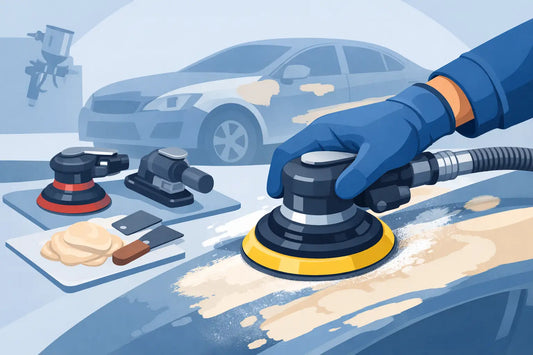
If you’re painting, you’ll want a consistent surface. Many users follow with a grinder or sander to smooth high spots, then either blast or use a prep disc to even out the profile. If the pits matter, blasting is often the most efficient way to clean them without thinning the surrounding metal.
If you’re applying a rust-converting coating, check the product requirements. Some coatings want “tight rust” and a roughened surface, which means hammering off the loose scale is ideal, but you still need to remove dust and debris so it bonds.
Watch where the chips go. Rust scale can bounce into nearby bearings, seals, and exposed machined surfaces. If you’re working around hubs, brake components, or open assemblies, take a minute to mask or cover what you don’t want contaminated.
Vibration is real. If you’re doing a long session, take breaks and keep your grip firm but not white-knuckled.
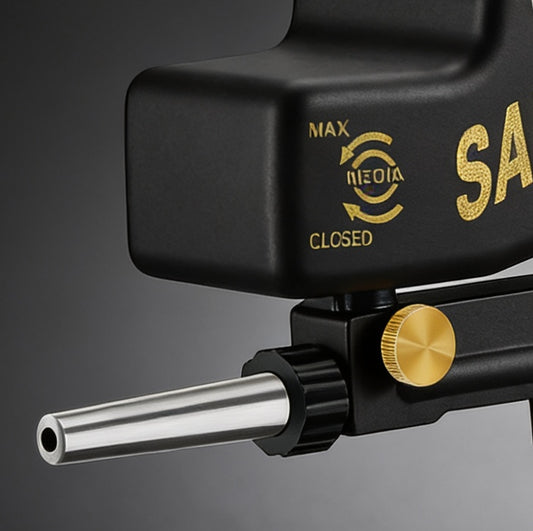
Grinders and abrasive discs give you more control over the finish and are better for smoothing and shaping, but they generate heat, dust, and can remove good metal quickly.
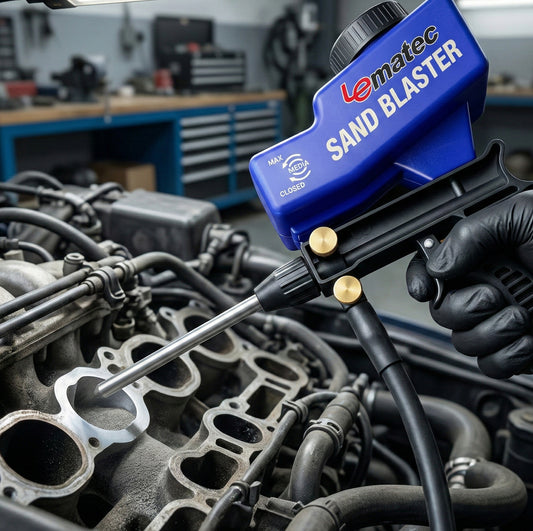
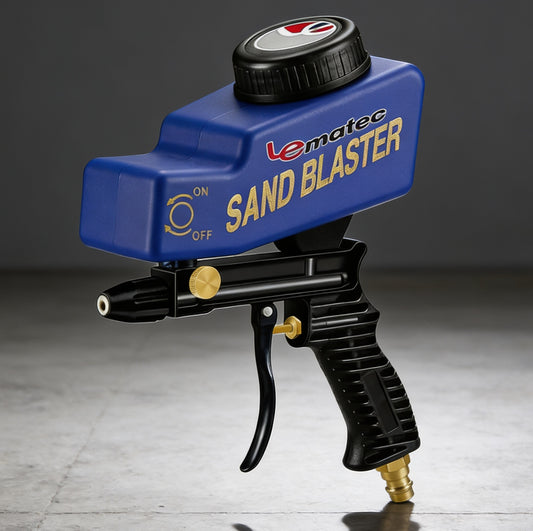
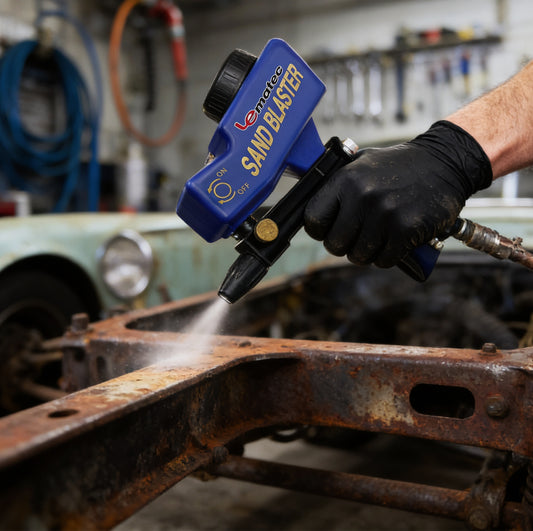
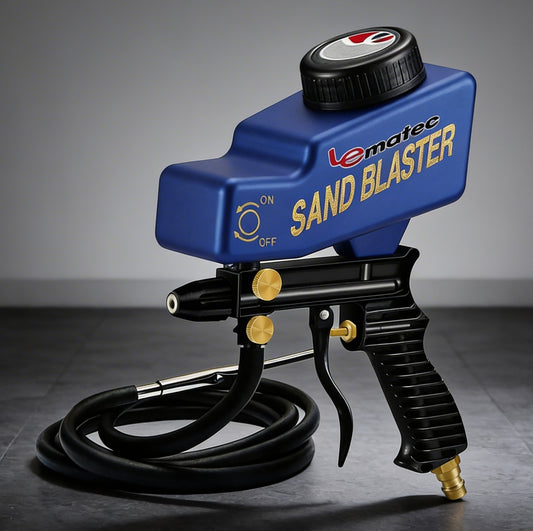
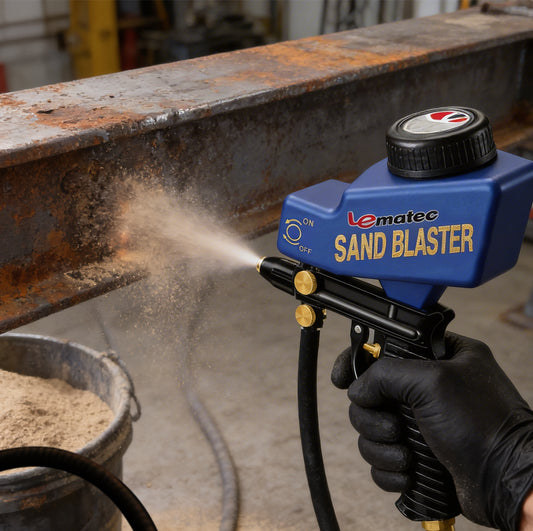
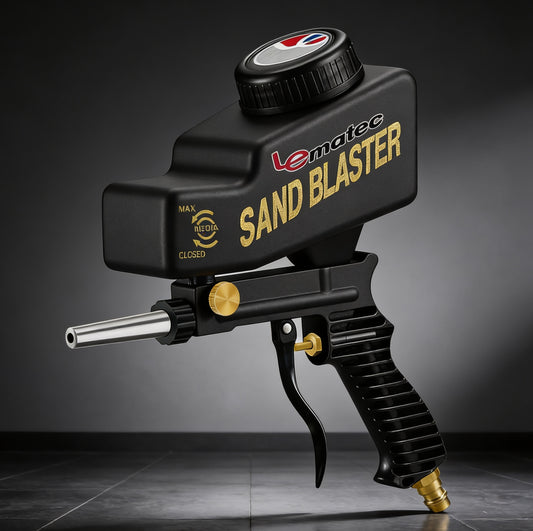
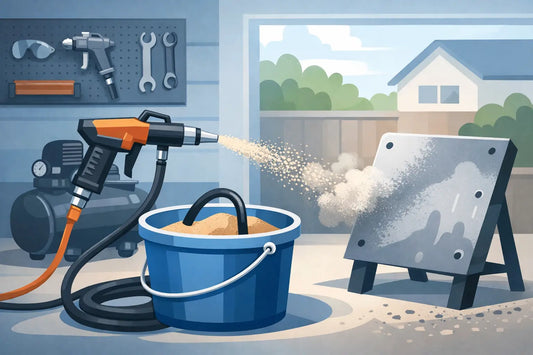
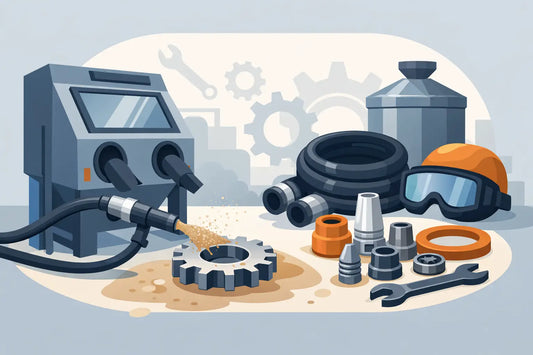
Sandblasting is the most thorough for pits, corners, and consistent paint prep, but it takes setup time, containment, media, and a compressor that can support the blast demands.
In a lot of real shops, the best workflow is a combination: hammer to break and peel, then grind or blast to finish. That’s how you keep the speed without paying for it later in rework.
For shoppers who want pneumatic tools and rust-prep gear in one place, Pro Air Tools positions the process the way most working people actually buy - tools, accessories, and consumables together, backed by a 36-month warranty and 1-day shipping so you’re not stuck waiting mid-project.
Rust work is never fun, but it can be predictable. Set the hammer up right, choose the bit that lifts instead of gouges, and stop impact work when the scale is gone. The best feeling isn’t “perfect metal” - it’s watching the stubborn stuff finally let go so you can get back to the part of the job that actually moves forward.
Factory direct from Le Lematec — professional quality, competitive prices.



 AIR REGULATORS

 ACCESSORIES