Shopping Cart
(0)
Free shipping included — no minimum on any US order

Quick Search:

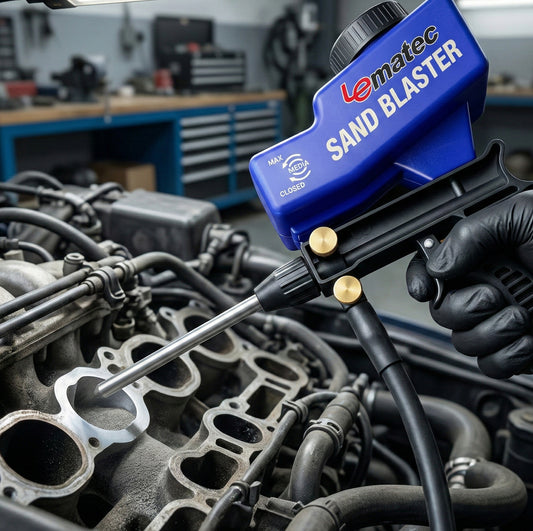
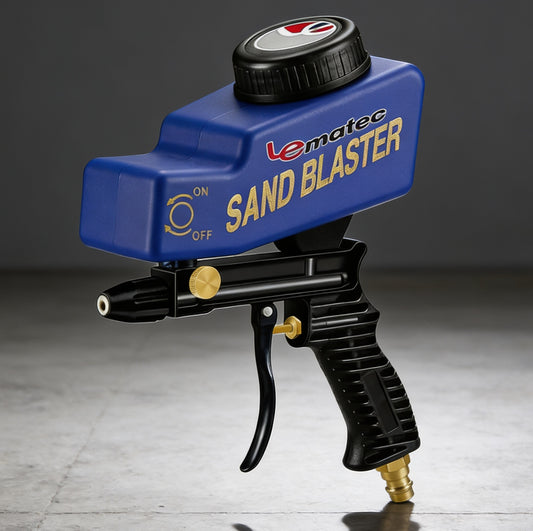
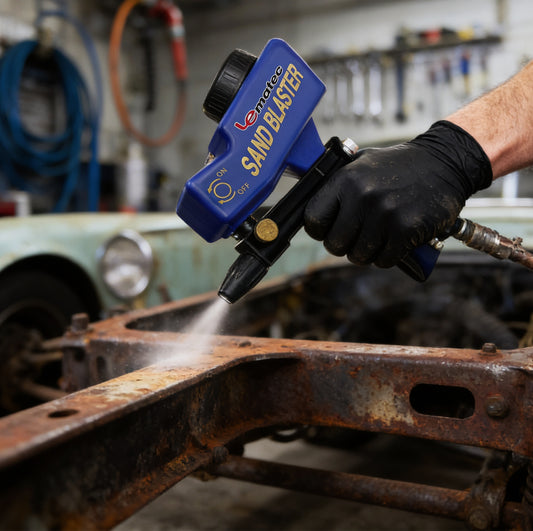
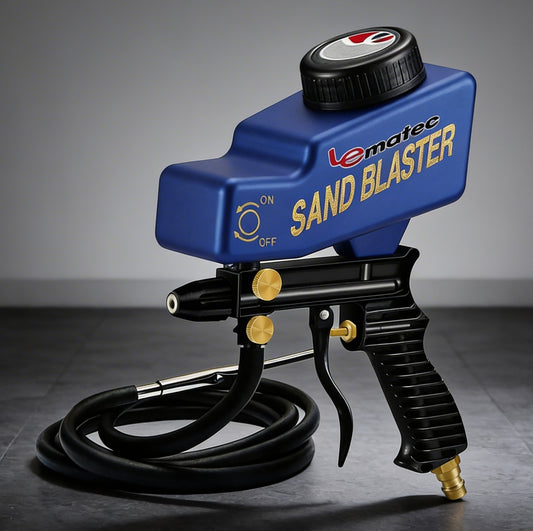
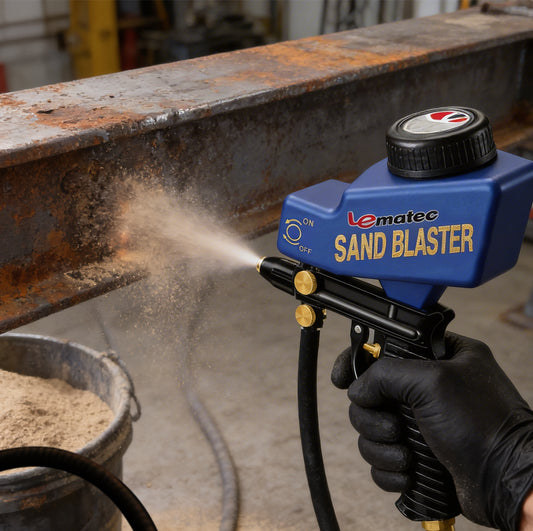
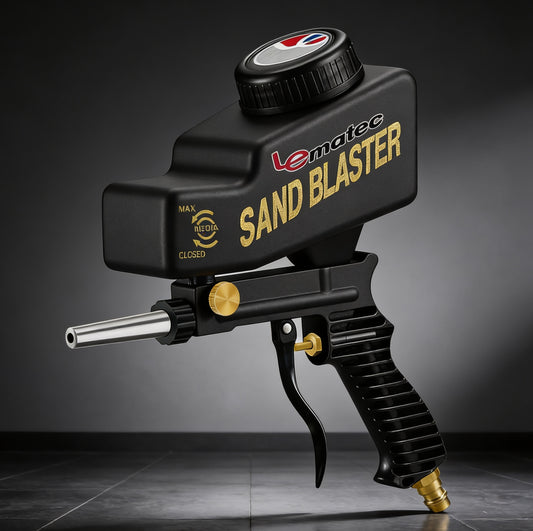
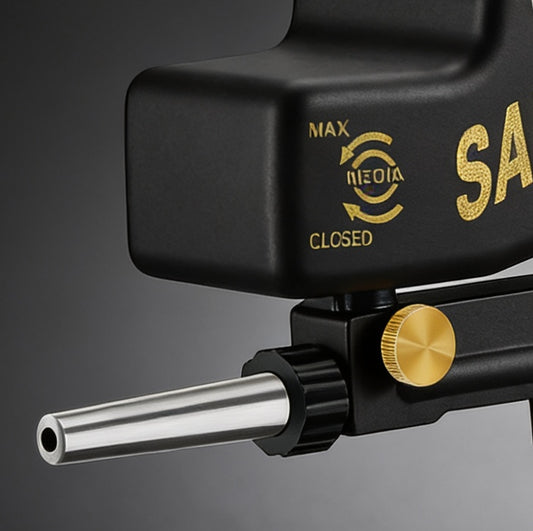

If your air system is healthy but the work still feels slow, it is usually not the compressor - it is the tool choice. The top sellers in pneumatic tools are not “popular” by accident. They are the ones that solve the most common, most time-sensitive problems in real garages, maintenance bays, and fabrication shops with the least drama.
Below is what typically rises to the top, and what to look for so your next air tool actually fits your work, your air supply, and your expectations.
It also signals something else buyers care about but rarely say out loud: predictable air demand. Tools that run well on common shop compressors (and do not require exotic fittings or a dedicated air station) tend to move faster because they are easier to put into service the same day they arrive.
The buying decision is mostly about torque range and control. High-torque models are great when you never want to wonder if it will break free, but they can be overkill for smaller fasteners. If you work on mixed jobs, look for a wrench with multiple power settings so you can step down for lighter hardware.
Air demand matters here. A powerful impact can be “rated” for a certain CFM at 90 PSI, but real-world performance depends on hose size, couplers, and whether your compressor can keep up under continuous bursts. If you are running a long hose reel, stepping up to a 3/8-inch or 1/2-inch hose (depending on the tool inlet) often does more than chasing another paper torque number.
Trade-off: an air ratchet is not a breaker bar. It is built for speed, not for stubborn torque. The best use is to crack the fastener loose by hand, then let the ratchet do the spinning. If you try to make it do impact-wrench work, you will be disappointed and you may shorten tool life.
If you do a lot of automotive work, you will also notice how much comfort matters. A ratchet that feels balanced and has a controllable trigger is the difference between “quick job” and “annoying job.”
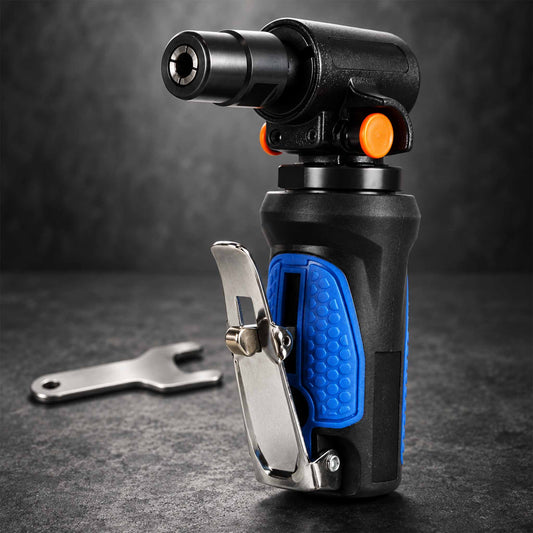
A die grinder shines for precision work with burrs and small stones. An air angle grinder is better when you need surface area, like knocking down welds or prepping plate. Both reward you for matching accessory choice to the job. A cheap abrasive on a good grinder still cuts poorly and loads up fast. A good abrasive on a weak air supply still stalls.
Where people get surprised is air consumption. Grinders can be hungry, especially if you are leaning on them. If your compressor is modest, you may get better real-world results from short, controlled passes rather than trying to “power through” and watching pressure sag.
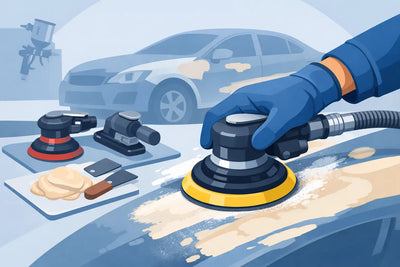
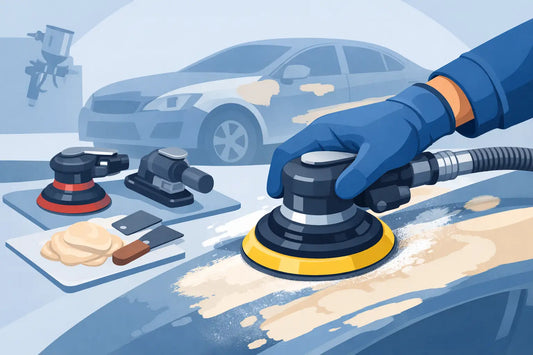
Two common routes are a random orbital sander for general prep and a belt sander for aggressive material removal or shaping. The orbital is more forgiving and less likely to gouge. The belt sander is faster but requires a steady hand and a plan.
The hidden factor is dust control and air conditioning. Sanding creates a lot of fine dust and heat. Plan for filtration at the tool and at the line. If your airline is passing moisture, sanding discs load up faster and the finish gets inconsistent.
This is a tool where accessories matter as much as the hammer itself. A basic chisel will get used, but specialty tips are what turn the tool into a problem-solver. Also, pay attention to vibration and trigger feel. If you are doing frequent use, comfort is not a luxury - it is fatigue management.
The decision point is usually chuck size and RPM range. Faster is not always better. If you are drilling thicker steel, torque and control matter more than max RPM. Also consider that drills are sensitive to moisture and lack of lubrication. Keep your air clean and properly oiled and the tool stays consistent.
The “it depends” factor is thickness and shape. Tight curves and intricate trimming may favor air scissors, while longer straight cuts may favor a cutter setup. Either way, plan for edge finishing - even a clean cut usually needs a quick deburr.
Look for a gauge you can read quickly and a chuck that seals reliably. The “best” inflator is often the one that does not waste time with leaks and rechecks. If you do fleet or maintenance work, accuracy and durability matter more than fancy features.
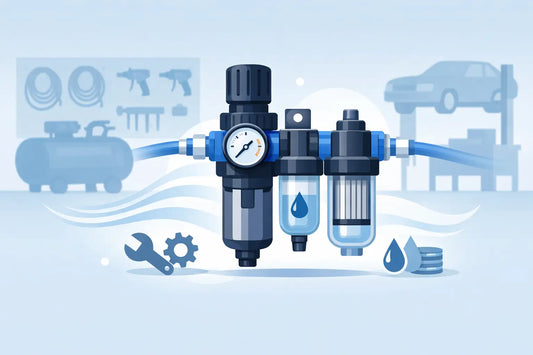
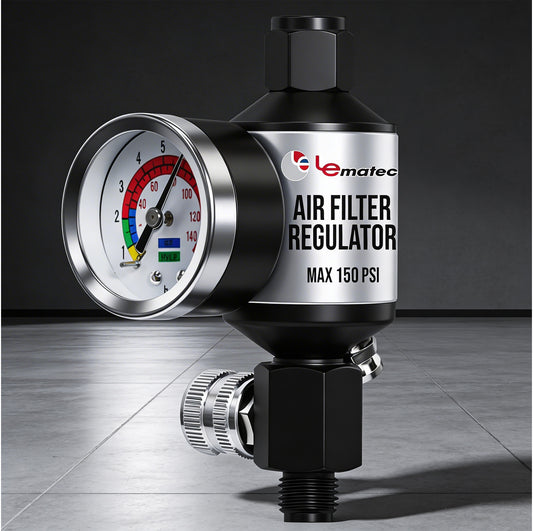
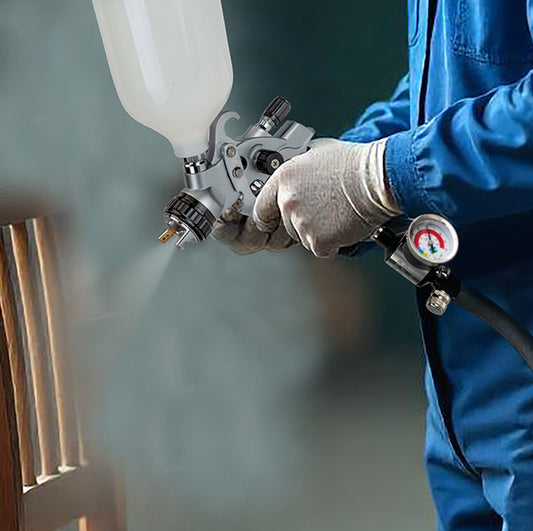
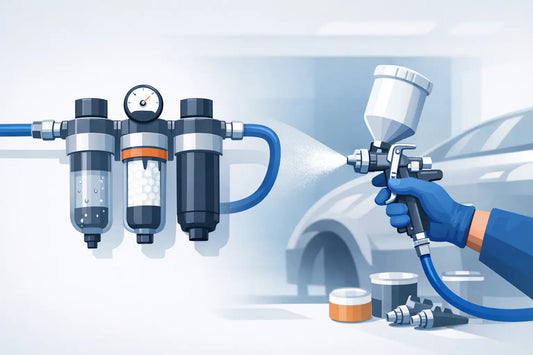
If you want top-selling tool performance, treat air prep as part of the tool. Stable pressure at the tool inlet and dry air are what keep impacts hitting hard, grinders spinning freely, and paint or prep work from getting contaminated. If your compressor cycles hard or you live in a humid region, moisture control moves from “nice to have” to “required.”
If you are right on the edge, you have options: shorten the hose run, increase hose diameter, improve fittings, or choose a similar tool that is less air-hungry. The goal is not to “own the biggest tool.” The goal is to get repeatable performance on your actual setup.
If you want a straightforward place to pick up pneumatic tools, sandblasting gear, and shop-ready accessories with clear operational promises, Pro Air Tools leans hard into what matters: factory-direct value, a free 36-month warranty, and 1-day shipping so you can get back to work instead of waiting.
A good air tool is not the one with the loudest specs. It is the one that shows up, runs on your air system without excuses, and makes the job feel straightforward. Buy for the work you actually repeat, and your “top seller” will be the one you reach for without thinking.
Factory direct from Le Lematec — professional quality, competitive prices.


 AIR REGULATORS

 ACCESSORIES