Shopping Cart
(0)
Free shipping included — no minimum on any US order

Quick Search:

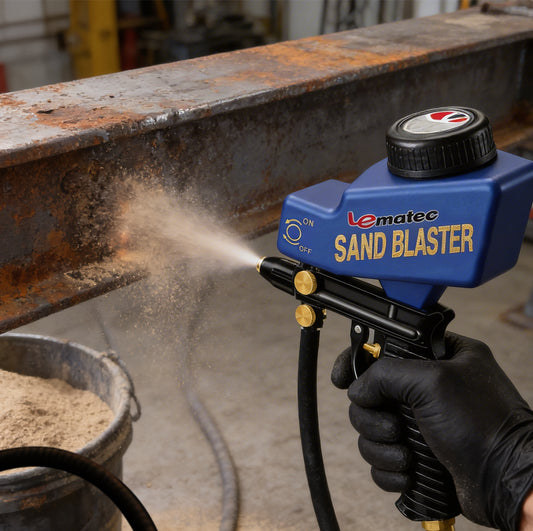
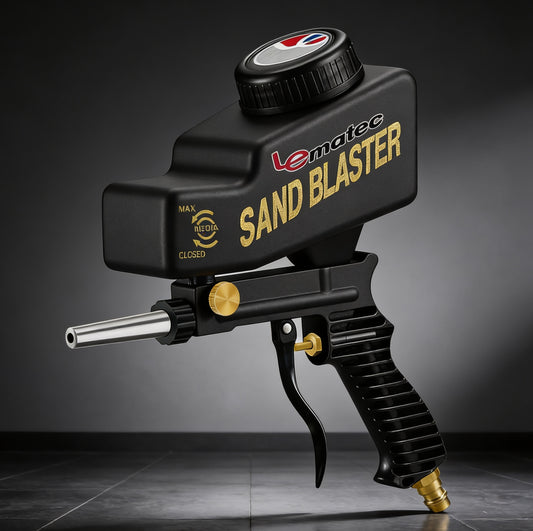
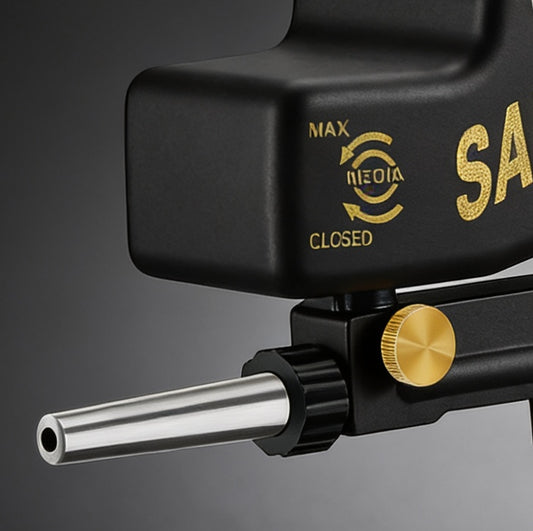

If you have ever bought an air tool that “looked right” and then watched it stall halfway through a lug nut or bog down in a sanding pass, you already know the real problem: most setups fail at the system level. The tool, the compressor, the hose, and the air treatment all have to agree. This guide breaks down recommended pneumatic tools by the jobs people actually do - and the specs that keep them working the way you expect.
Before you pick tools, look at three numbers: required CFM at 90 PSI, duty cycle (how long you will run it continuously), and inlet size (often 1/4-inch NPT on hand tools). Then match your hose ID and fittings so you are not choking flow at the last inch.
If your work is mostly intermittent - lug nuts, quick cutoffs, blowing off parts - you can often get away with a smaller compressor and a smart hose/fitting setup. If your work is continuous - grinding welds, sanding panels, running a die grinder for minutes at a time - plan for higher sustained CFM and better air treatment.
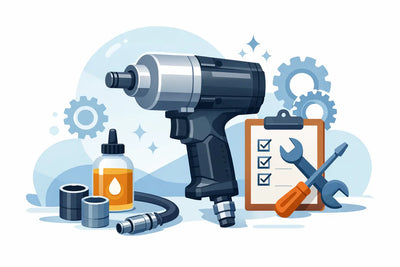
For light-duty and occasional use, a compact 1/2-inch impact can be a better match than a huge “max torque” model. Smaller bodies fit tighter areas and tend to be easier on air consumption. If you regularly work on rust-belt fasteners or heavy trucks, stepping up to a higher-torque 1/2-inch impact makes sense, but only if your compressor can keep up.
Trade-off: more torque usually means more CFM demand and more vibration. If you do a lot of repetitive work, comfort matters as much as peak torque.
An air ratchet is not a breaker tool. You crack the fastener loose by hand, then let the ratchet do the spinning. If you want a tool that both breaks loose and speeds removal, that is the impact’s job.
Trade-off: air ratchets are easy on CFM, but they are picky about lubrication. A dry ratchet feels weak and wears fast.
It runs in bursts, so it can be compressor-friendly compared to grinders, but you still want solid flow and clean air. Moisture and grit shorten tool life quickly.
Trade-off: air hammers are loud and can be hard on the workpiece if you are not careful. They are best when you need force and speed, not finesse.
These tools are often the deciding factor for compressor sizing because they are commonly run continuously. If you plan to grind welds for several minutes at a time, buy the grinder you want - then plan the air system around it.
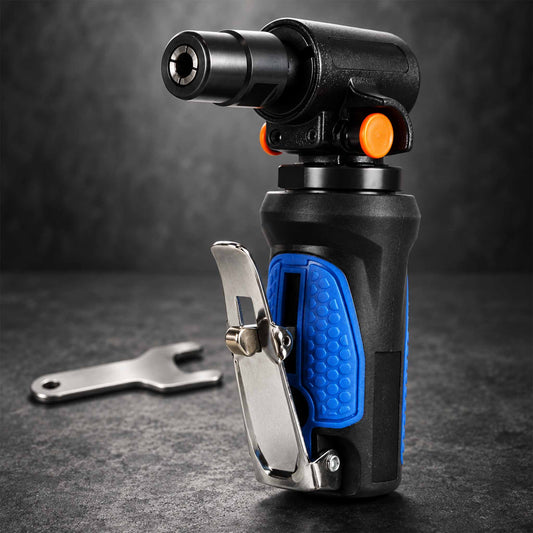
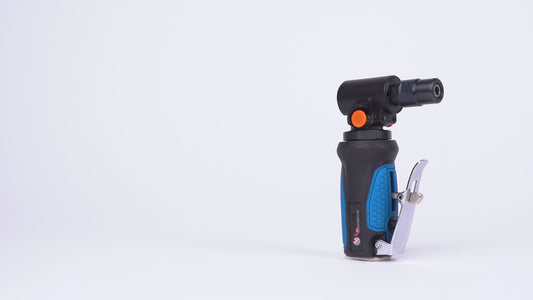
Trade-off: pneumatic grinders can be compact and powerful, but they will punish undersized hoses and cheap fittings. A restrictive setup makes a good grinder feel weak.
If you drill a lot of sheet metal, brackets, or rivet holes, an air drill is easy to live with. If you mostly drill occasionally, cordless may still win on convenience.
Trade-off: drilling is usually low-to-moderate CFM, but the real limiter is air quality. Water in the line and rust in the chuck are a bad combination.
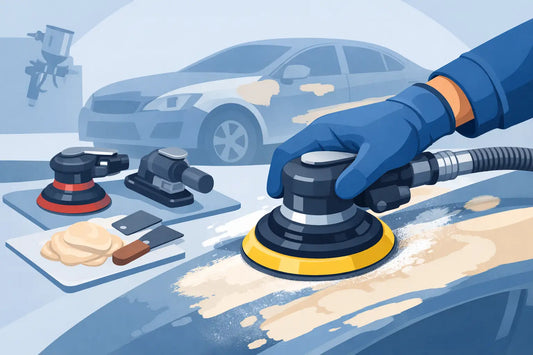
This is another tool that can run for longer stretches. If you do bodywork or fabrication and want repeatable results, a belt sander is a solid upgrade.
Trade-off: it eats air and consumables. If you are not ready to stock belts and feed enough CFM, you will not enjoy it.
If you do patch panels, ducting, or general sheet work, having both is not redundant. The cutoff wheel is for tougher spots and thicker material. The scissors are for speed and clean edges on thinner sheet.
Trade-off: cutoff tools are straightforward but can be rough on air supply at sustained use. Scissors are gentler but have thickness limits.
Look for an inflator that is easy to read and easy to trigger in short bursts. Accuracy matters when you are chasing ride quality, wear, and repeatability.
Trade-off: inflators are not air-hungry, but cheap gauges lie. If pressure matters, buy a better inflator.
Hose ID is a big deal. For light tools, a 1/4-inch ID hose can be fine. For higher-flow tools like impacts and grinders, a 3/8-inch ID hose often makes the tool feel like you upgraded it. If you are running long hose lengths, the benefit is even bigger.
Fittings can choke flow more than people expect. High-flow couplers and clean, properly sealed connections reduce pressure drop at the tool. If your compressor shows 120 PSI at the tank but you see the tool struggling, measure pressure at the tool while it is running - that number is what matters.
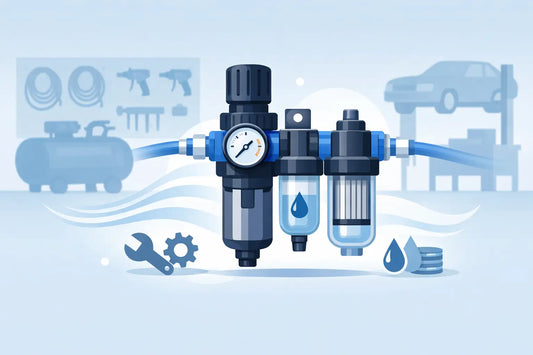
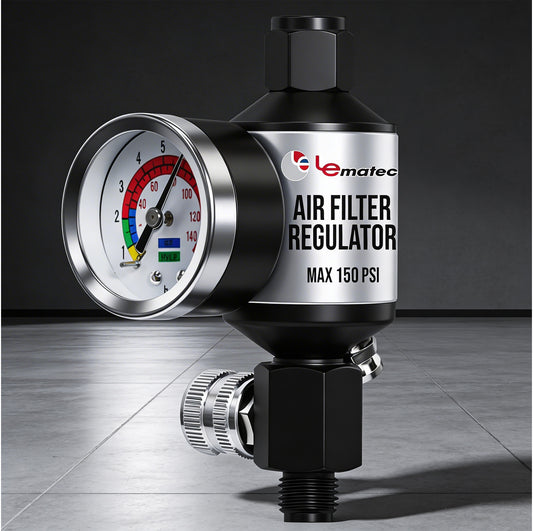
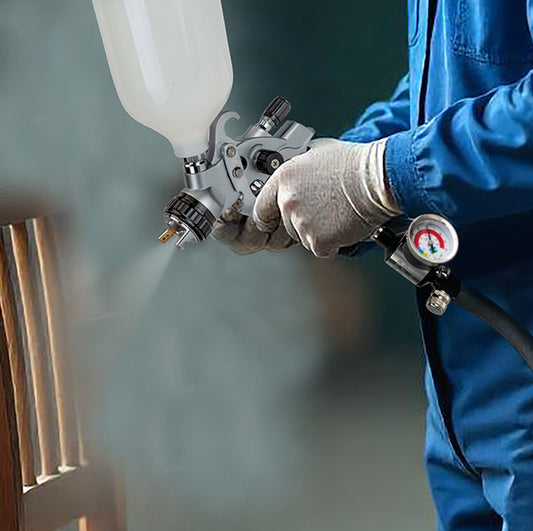
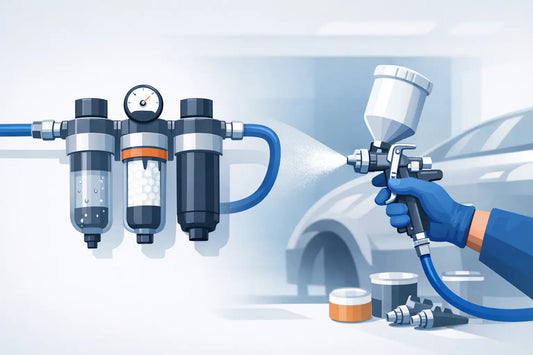
Air treatment is not optional if you want tools to last. A filter and water separator keeps grit and moisture out. A regulator lets you set tool pressure instead of guessing. If you paint or blast, you already know moisture control is everything, but even for general tools it prevents rust and sticky vanes.
A common, practical order is: 1/2-inch impact, tire inflator, air ratchet, then either an air hammer or a grinder depending on what you do more. Fabrication and metal cleanup pushes grinders and belt sanders higher on the list. Automotive maintenance usually pushes the hammer higher.
Also pay attention to support and downtime risk. If you rely on tools to make money, warranty coverage and shipping speed are not marketing extras - they are how you avoid losing a day to a dead tool. If you want a single place to source air tools, sandblasting gear, and the accessories that keep everything running, Pro Air Tools focuses on job-ready pneumatic setups with a 36-month warranty and 1-day order fulfillment.
If you are on the edge, you can still improve results by shortening hose runs, upgrading to 3/8-inch ID hose where it counts, using high-flow couplers, and keeping filtration tight. Those upgrades are usually cheaper than replacing a compressor, and they make every tool perform better.
The best pneumatic tools are the ones that match your air system and your actual work. Pick one tool that solves your biggest bottleneck, set it up with the right hose and clean air, and you will feel the difference on the very first job.
Factory direct from Le Lematec — professional quality, competitive prices.


 AIR REGULATORS

 ACCESSORIES