Shopping Cart
(0)
Free shipping included — no minimum on any US order

Quick Search:


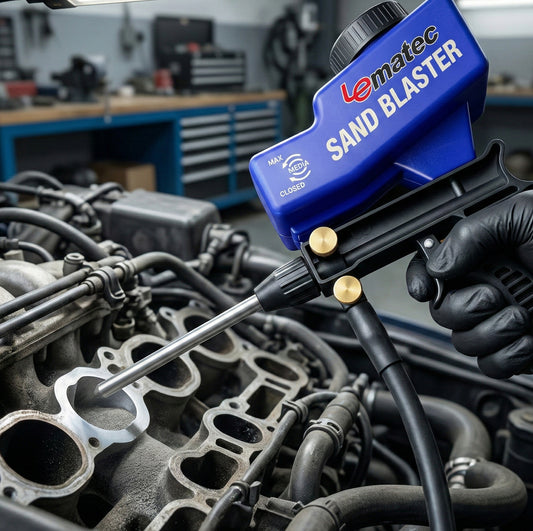
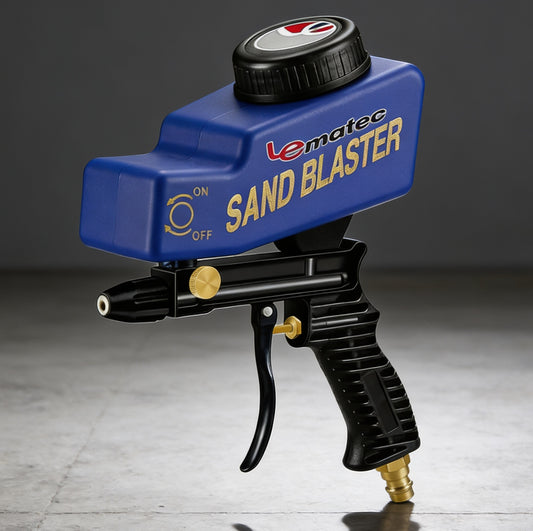
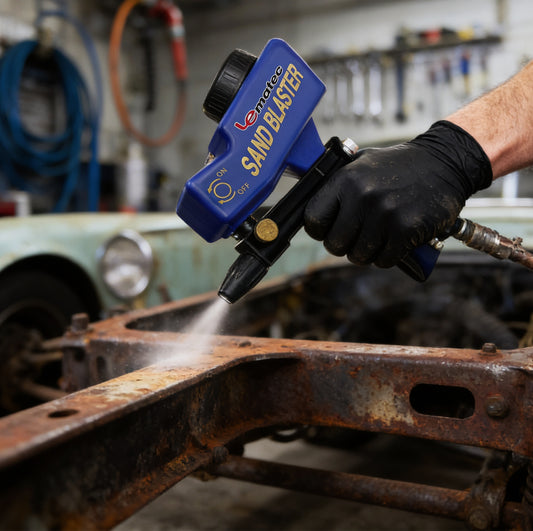
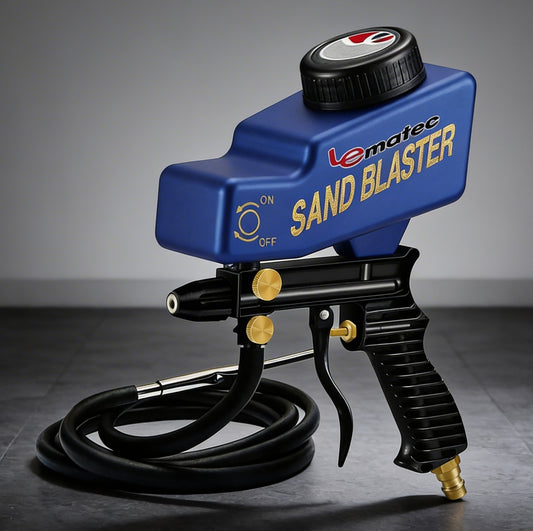
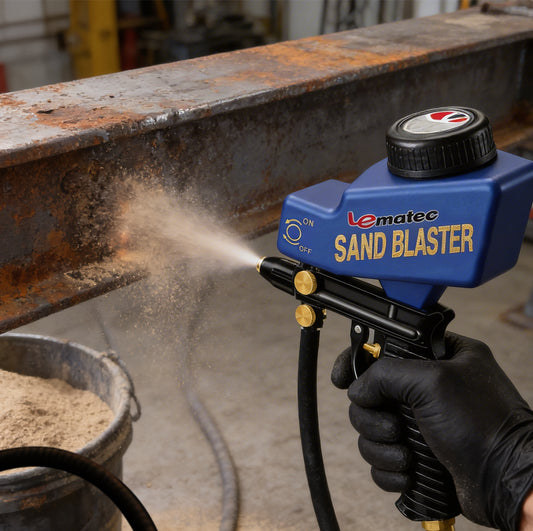
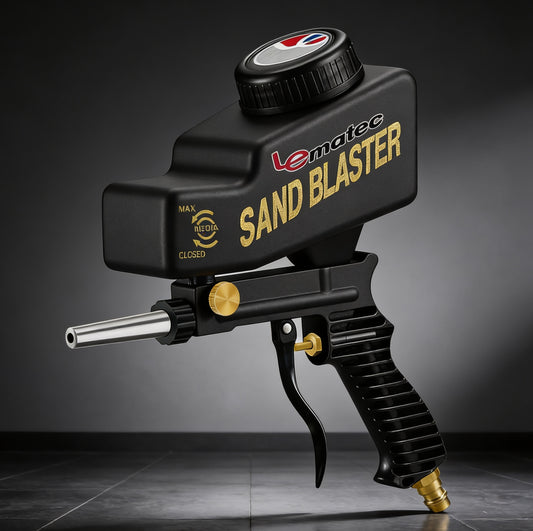
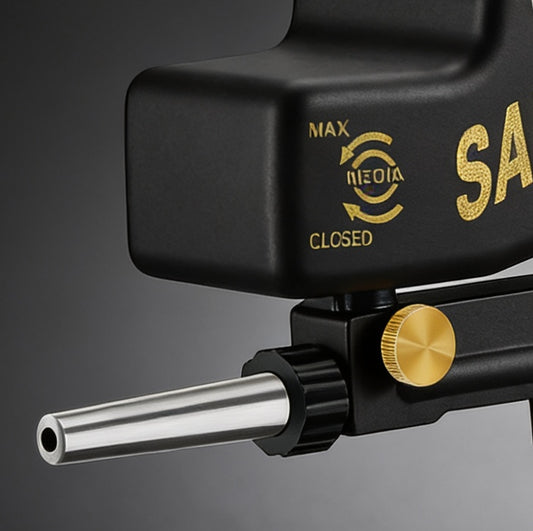

A rusted frame can look worse than it is - or better than it is. That is why a solid guide to sandblasting rusted frames starts with judgment, not just trigger time. If you blast too aggressively, you can thin already weakened steel. If you go too light, rust stays buried in pits and comes back under primer. The goal is simple: remove corrosion efficiently without beating up the metal you are trying to save.
For automotive frames, trailer frames, equipment stands, and similar steel structures, sandblasting is usually the fastest way to get back to clean metal, especially around welds, seams, brackets, and boxed sections where wire wheels struggle. But results depend on three things: the condition of the frame, the blasting setup, and the media choice. Get those right, and the rest of the job moves faster.
If the frame has heavy scale, layered corrosion, old flaking coatings, or a mix of paint and rust packed into corners, blasting is usually the right move. Mechanical grinding has its place, but it is slower on irregular surfaces and tends to miss pits. Chemical rust removers can help on smaller parts, but full frames are a different job.
That said, blasting is not a magic fix for structural damage. If a frame has deep delamination, perforation, swollen seams, or soft spots around suspension and mounting points, clean metal may reveal that the part needs repair or replacement, not coating. Blasting helps you see the truth. Sometimes that is good news, and sometimes it is expensive news.
A weak air system makes blasting slow, inconsistent, and frustrating. It also leads people to crank pressure higher than they should, which can damage metal and waste media. For frame work, you want steady air delivery that matches the blaster nozzle size, not a compressor that barely keeps up.
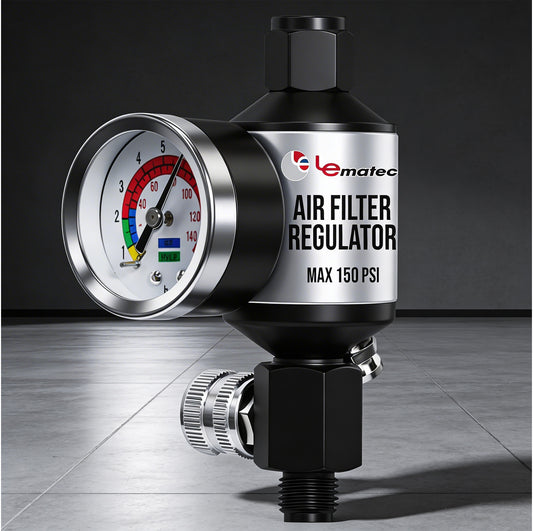
A moisture problem is just as bad. Wet air clumps media, interrupts flow, and turns a simple job into a stop-and-start mess. Use proper air regulation and moisture control before you begin. On a rusted frame, you are already fighting contamination from dirt, old coatings, and corrosion. Do not add water to the equation.
If you are working in a home garage, this is where realistic expectations matter. A smaller compressor can still do the job, but usually in sections with more pauses. For a full frame, production improves fast when the air supply, regulator, and blasting accessories are matched correctly.
Media choice controls speed, surface profile, cleanup, and how much risk you take with the steel. There is no one-size-fits-all answer.
For heavy rust and scale on thick steel frames, a sharper, more aggressive media often makes sense because it cuts faster and reaches into pitted areas. For lighter corrosion or thinner sections, a less aggressive option gives you more control. If the frame includes mixed surfaces, such as heavy channel sections next to thinner brackets or tabs, you may need to adjust pressure as you move rather than treating the whole assembly the same way.
Finer media can leave a smoother finish and better control, but it may take longer on crusted rust. Coarser media removes buildup faster, but if you stay in one spot too long, you can roughen or overwork the surface. That trade-off matters most on older automotive frames where steel thickness may already be compromised.
A practical approach is to match the media to the worst area you need to clean while keeping pressure controlled enough for the most delicate section you need to preserve. If that sounds like a compromise, it is - but blasting rusted frames is almost always a job of controlled compromise.
Before blasting, strip the frame down as far as the job requires. Remove fuel and brake lines, wiring, rubber mounts, clips, plastic retainers, and anything else that should not take abrasive impact. Old grease and undercoating should also be dealt with first. Blasting through oily contamination wastes media and smears the problem around.
Degreasing matters because rust rarely sits alone. On vehicle frames, it is usually mixed with road grime, fluid residue, and old coatings. If you blast over that, the media loses cutting efficiency and the finish becomes inconsistent.
Mask off machined surfaces, threaded holes, identification tags you need to save, and any protected areas where abrasive should not go. If the frame has boxed sections, plan how you will handle trapped media. It gets everywhere, and if you do not think about that early, you will spend too much time chasing it later.
Start with a test area. Pick a section that represents the general rust level but is not the most visible or structurally sensitive spot. This tells you whether your pressure, nozzle distance, and media are working before you commit to the whole frame.
Keep the nozzle moving. Staying too long in one area builds heat and concentrates impact. On heavier steel that may not matter much, but on thinner brackets, edges, and repaired sections, it can create unnecessary wear. A consistent sweep pattern works better than a tight, hesitant motion.
Nozzle angle also matters. Blasting straight on can be effective for scale, but a slight angle often lifts rust and coating more efficiently while reducing the tendency to hammer one spot. For pits and seam areas, change your angle rather than simply increasing pressure.
This is where experience beats force. If rust is not moving, the answer is not always more PSI. It may be the wrong media, a worn nozzle, restricted airflow, or moisture in the line. Fixing the setup usually gets better results than trying to overpower the problem.
Clean metal tells the truth fast. After blasting, inspect the frame closely for pitting depth, pinholes, cracked welds, seam separation, and previous repairs hidden under old coatings. A frame that looked salvageable under rust may reveal weak spots that need welding or section repair.
Surface profile matters too. You want the steel clean and properly textured for coating, not polished smooth and not shredded. Too smooth and coatings may not bite well. Too rough and you can use more primer than necessary while creating extra places for moisture to sit if coverage is poor.
If flash rust appears quickly, your environment is too humid or the frame sat too long before coating. That window between blasting and protection is shorter than many people expect, especially in warm or damp conditions.
Once the frame is blasted clean, move to primer as soon as possible. This is not the stage to leave the project sitting for a few days while you decide what paint to use. Bare steel starts reacting almost immediately.
Use a coating system made for bare metal and corrosion resistance. If the frame will live in road salt, mud, or regular outdoor service, your coating choice matters just as much as your blast quality. A perfect blast followed by weak coating prep is a bad trade.
Make sure all abrasive dust is removed before primer goes on. Blow down the frame thoroughly with clean, dry air, then wipe or clean it according to your coating manufacturer requirements. Dust left in corners and seams can interfere with adhesion.
The biggest mistake is treating all rust the same. Light surface corrosion on a solid frame is one job. Heavy scaling on an older, road-salt frame is another. The method, media, and pressure should reflect that.
Another common problem is underestimating air demand. Plenty of buyers focus on the blaster and forget that poor airflow ruins blasting performance. The same goes for skipping filtration and moisture control.
The last mistake is stopping at clean-looking metal without checking whether the frame is still structurally worth saving. Blasting is a prep process, not a guarantee of repair success.
For buyers setting up for this kind of work, it pays to get the whole system right the first time - blaster, media, regulator, moisture control, and supporting air tools. That is where a supplier focused on job-ready equipment, fast shipping, and warranty-backed reliability saves real downtime, not just money on paper.
A rusted frame does not need guesswork. It needs clean air, the right abrasive, steady technique, and a hard look at what the metal says once the rust is gone. Do that, and you are not just making it look better - you are giving the repair a fair shot to last.





 AIR REGULATORS

 ACCESSORIES