Shopping Cart
(0)
Free shipping included — no minimum on any US order

Quick Search:

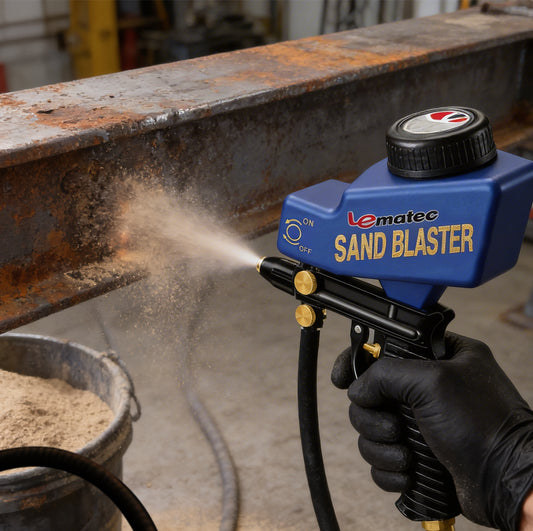
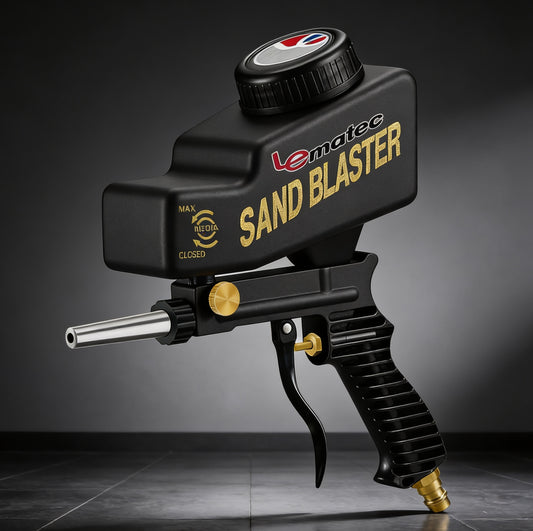
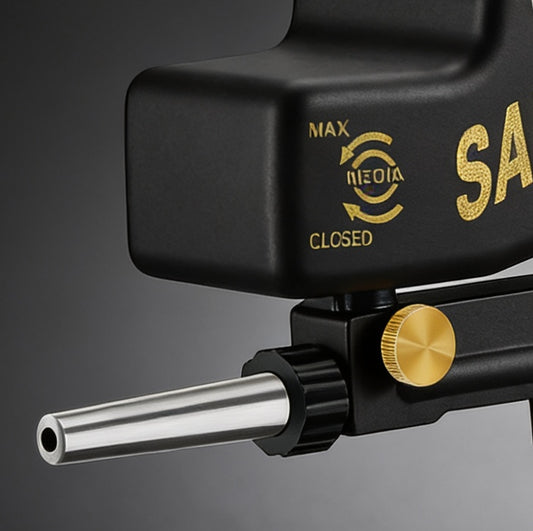

A seized lug nut, a stubborn exhaust clamp, and a deadline before lunch will tell you very quickly whether your tool setup is helping or slowing you down. A good air tool combo kit for mechanics is not about collecting more tools. It is about covering the jobs you actually see every week with dependable performance and less downtime.
If you work on brakes, suspension, front-end parts, engine accessories, and general teardown, a combo kit can make more sense than buying one tool at a time. The catch is that not every bundle is built around real shop work. Some kits look like a deal until you realize the impact is weak, the ratchet is underpowered, or the grinder drinks more air than your compressor can supply. The right choice depends on your workflow, your air system, and how hard you use your tools.
For most mechanics, the value of a combo kit comes down to coverage. You want the core tools that handle the highest-frequency jobs without forcing you to improvise. Usually that means an impact wrench for fastener removal, an air ratchet for speed in tighter spaces, and a hammer or grinder depending on the kind of work you do most.
A worthwhile kit should also feel balanced. If one tool is shop-grade and the others are filler, the bundle is not really saving you money. A strong 1/2-inch impact paired with a weak ratchet and a throwaway blow gun may look complete on paper, but it does not hold up in daily use. Mechanics should expect consistent build quality across the kit, solid trigger response, and enough torque and speed to justify using air in the first place.
That is where a lot of buyers get tripped up. They focus on tool count instead of task coverage. Five mediocre tools are not better than three that actually earn a place on your bench.
There is no single best air tool combo kit for mechanics if one buyer spends all day on tire and brake work and another is doing rusted suspension teardown in the rust belt. What matters is matching the bundle to the jobs that make up most of your week.
If you are mostly doing automotive service, your foundation is usually a 1/2-inch impact wrench and an air ratchet. Those two tools cover lug nuts, caliper brackets, accessory hardware, and plenty of general disassembly. Add a tire inflator or blow gun, and you have a practical everyday setup.
If your work leans more toward heavy repair, fabrication, or body-related prep, the ideal mix changes. An air hammer becomes more useful for stubborn joints and panel work. An angle grinder or cut-off tool may matter more than a ratchet if you are cleaning surfaces, trimming hardware, or dealing with seized parts that are past saving.
For small-shop buyers and serious DIY users, that means you should shop by task, not by marketing label. Ask a simple question first - what three air tools do I reach for most often, or wish I had on the last five jobs? That answer is usually the right starting point.
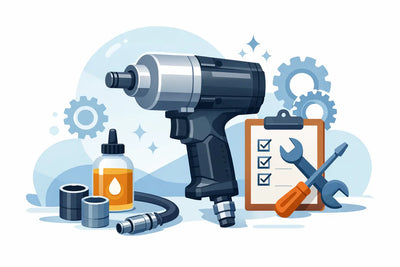
A 1/2-inch impact wrench is the anchor of most mechanic-focused kits for good reason. It handles wheel service, suspension fasteners, subframe hardware, and plenty of stubborn bolts faster than hand tools can. Torque matters here, but so does control. An impact that hits hard but is awkward, nose-heavy, or inconsistent on trigger modulation can be a pain to use all day.
An air ratchet is often the tool that saves the most time, even if it gets less attention than the impact. Once a bolt is broken loose, the ratchet speeds up removal in engine bays, under dashboards, and around brackets where an impact is too bulky. It is not a replacement for the impact. It is a time-saver that keeps jobs moving.
An air hammer belongs in the conversation if you deal with rust, frozen components, exhaust work, or suspension teardown. It is one of those tools that can sit for a day and then pay for itself in ten minutes when a stuck part refuses to move.
A die grinder or angle grinder is more situational, but it can be the right call if your work includes gasket cleanup, surface prep, light grinding, or trimming. For body and fabrication users, it may be more valuable than an air ratchet. For a general service mechanic, it may be secondary.
That is why the smartest kits are not always the biggest. They are the ones that include the tools you will actually wear in.
A combo kit is only as good as the air system behind it. Mechanics know this, but it still gets overlooked during the buying process. If your compressor cannot maintain pressure and airflow, even a good tool will feel weak.
Impact wrenches and ratchets are generally manageable for many shop compressors, especially in intermittent use. Grinders, sanders, and some hammers can demand more sustained airflow. If a kit includes a high-consumption tool and your compressor is undersized, you may end up waiting on recovery more than working.
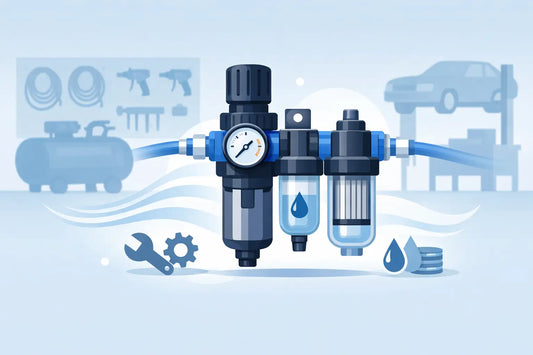
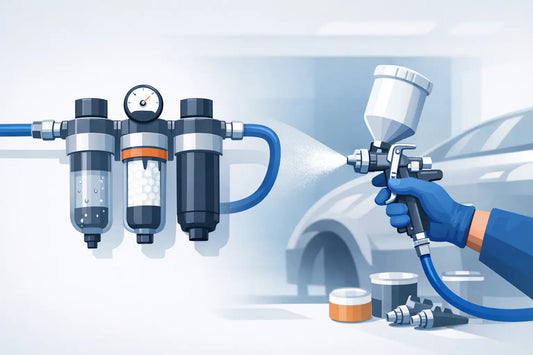
Look at SCFM requirements at the pressure the tool actually runs, not just the biggest number printed on the box. Then be honest about how you work. Short bursts are one thing. Continuous grinding or sanding is another. Also factor in hose size, couplers, regulator quality, and moisture control. Restriction and water in the line can turn a strong setup into a frustrating one.
If you are building out a dependable pneumatic setup, the tools and the air delivery side should be treated as one system. That is especially true in shops where uptime matters and half-performance is not good enough.
Price matters. Every buyer cares about value. But a cheap kit gets expensive fast if the impact loses power, the ratchet starts leaking air, or replacement parts are hard to get. Mechanics usually do not mind paying for tools that hold up. They mind paying twice.
The better value kits tend to get the basics right. Housing and grips feel solid without being bulky. Triggers are predictable. Forward and reverse selectors do not feel flimsy. The tools have enough power to do real work, not just light-duty tasks on clean hardware. Just as important, the supplier stands behind the tools with a clear warranty and ships fast enough that a replacement or add-on does not stall the week.
That support piece matters more than some buyers admit. If you rely on your setup to make money or keep projects on schedule, post-purchase support is part of the value equation. A factory-direct price is attractive, but it means more when it comes with real warranty coverage and quick fulfillment. That is one reason many buyers prefer straightforward suppliers like Pro Air Tools instead of rolling the dice on marketplace listings with vague specs and even vaguer support.
A combo kit makes the most sense when you know you need multiple core tools now, not someday. If your current setup has obvious gaps and you are tired of switching between hand tools and underpowered backups, bundling can cut cost and reduce guesswork.
It also helps newer shop owners and serious DIY mechanics avoid mismatched purchases. Buying one tool at a time can leave you with different air requirements, inconsistent quality, and overlap you did not need. A well-selected kit gives you a more coherent starting point.
That said, there are cases where buying separate tools is smarter. If you already own a strong impact and only need a better air ratchet and grinder, a combo kit may force you to pay for duplicates. The same goes for specialized users. A body tech and a suspension mechanic often need different priorities, even if both work under the same roof.
So the real question is not whether a bundle is always better. It is whether the bundle matches the way you work closely enough to save money without adding compromise.
Start with the jobs, then the compressor, then the quality of the bundle. That order keeps you from buying for the product page instead of the shop floor.
Think about your daily work mix first. If fastener removal is your bottleneck, prioritize impact and ratchet quality. If rusted hardware and teardown slow you down, make room for an air hammer. If prep and cleanup are part of the routine, a grinder may carry more weight than another fastening tool.
Next, check whether your air system can support the tools under normal working conditions. If not, either adjust the kit choice or plan to upgrade hoses, filtration, regulation, or compressor capacity.
Finally, look at the support behind the sale. A combo kit is not just a one-time purchase. It is a working setup that should stay productive. Good warranty coverage, fast shipping, and parts availability are not extras. They are part of keeping your work easier and your schedule intact.
The right kit should feel like fewer interruptions, fewer workarounds, and faster jobs from day one. If it does that, it is not just a bundle. It is one of the simplest upgrades you can make to a busy garage.



 AIR REGULATORS

 ACCESSORIES