Shopping Cart
(0)
Free shipping included — no minimum on any US order

Quick Search:
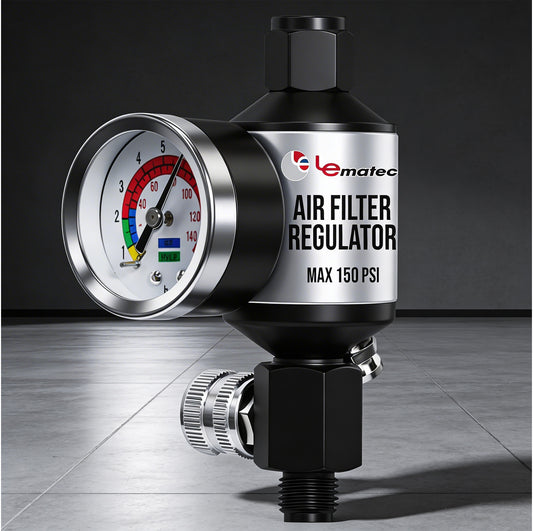
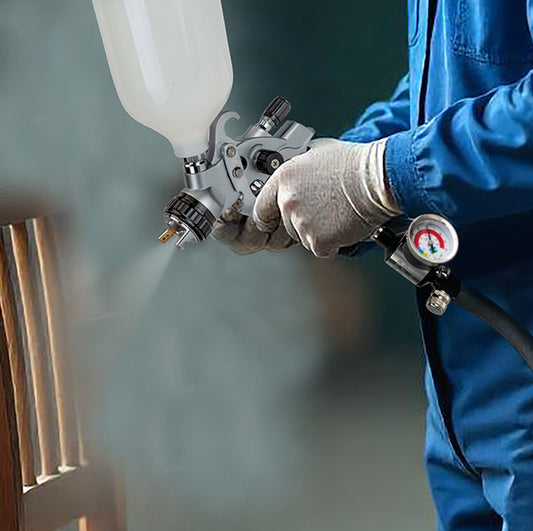
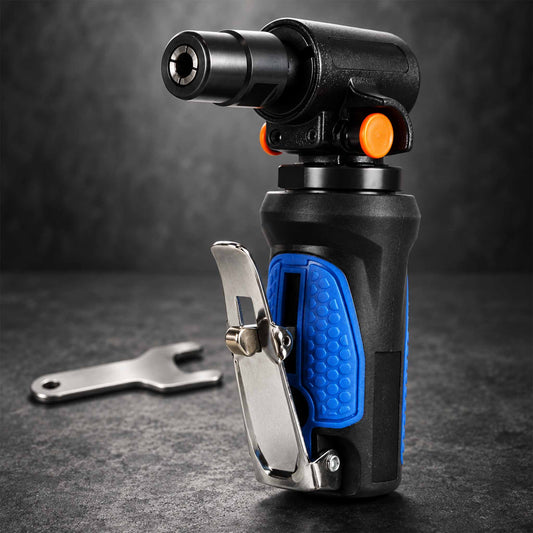

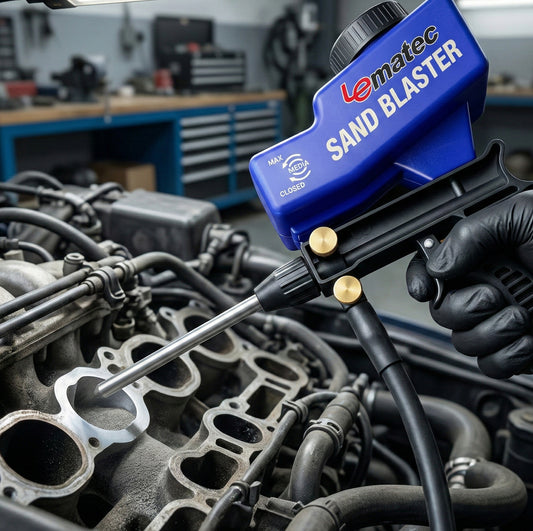
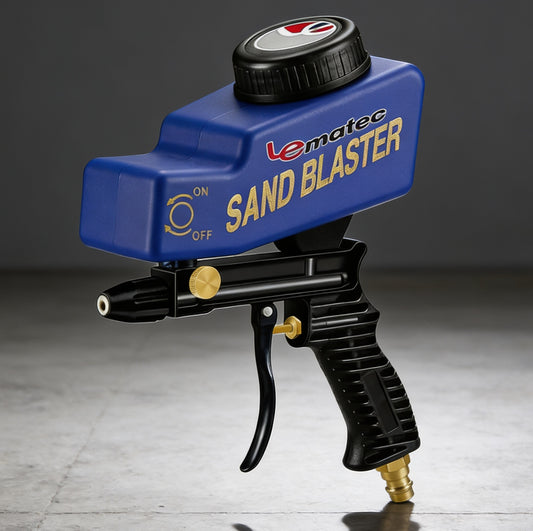

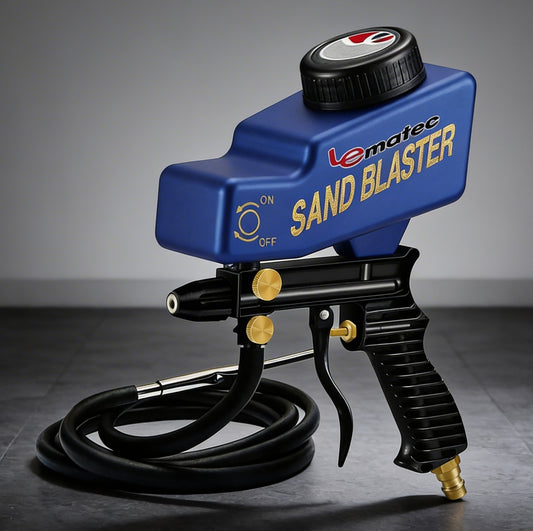

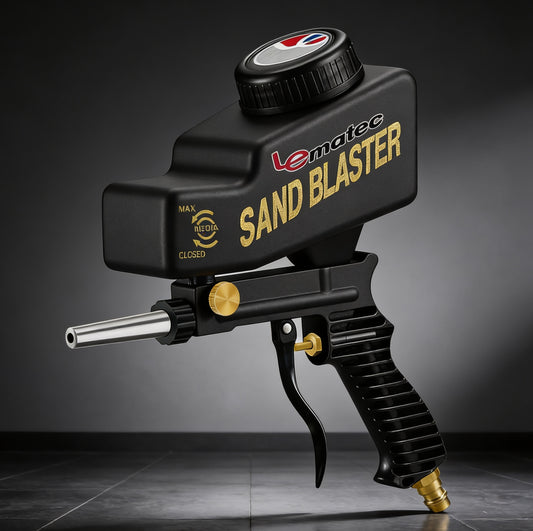
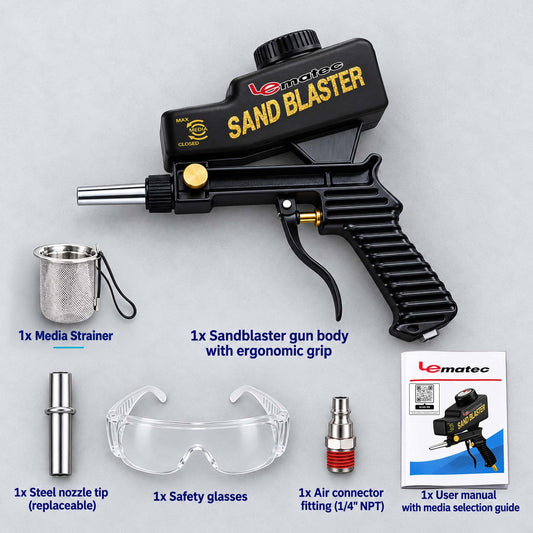

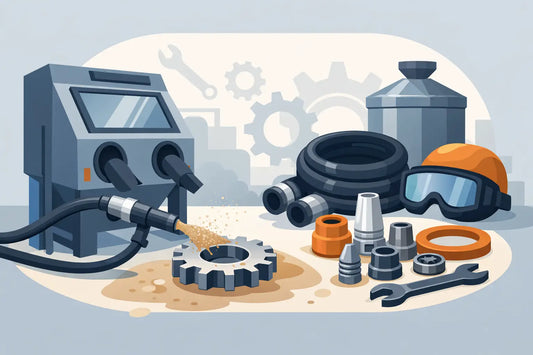
Your impact wrench hits hard in the morning, then feels lazy after lunch. Or your paint gun starts spitting little craters that look like a bad complexion. Or your sandblaster pulses and clogs even though the compressor is keeping up. Most of the time, those aren’t “tool problems.” They’re air quality and air control problems.
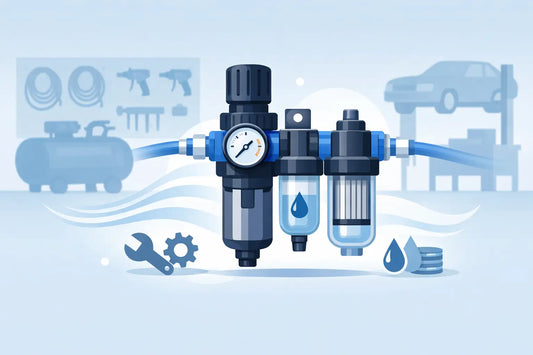
That’s where the air regulator vs filter separator question shows up. They’re often sold together, mounted together, and confused constantly - but they solve different problems. If you match the right part to the right symptom, you get steadier tool power, cleaner finishes, and fewer surprise breakdowns.
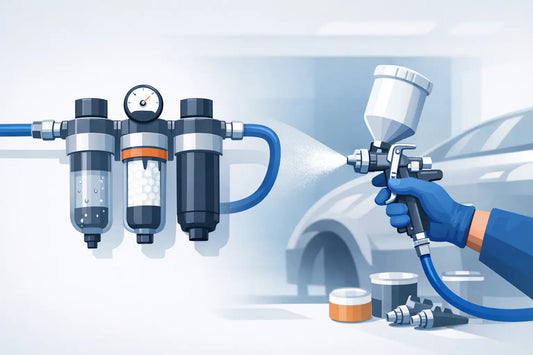
A filter separator cleans the air. It removes water droplets, oil mist, and solid junk like scale, pipe rust, and dust before those contaminants reach your tool or process. The goal is cleanliness - so your die grinder isn’t eating grit and your spray gun isn’t spraying moisture.
If you only remember one line: the regulator manages force, the filter separator manages contamination.
A good regulator helps when:
Your impact or ratchet feels inconsistent because tank pressure swings.
You’re trying to run different tools from the same compressor and each wants a different PSI.
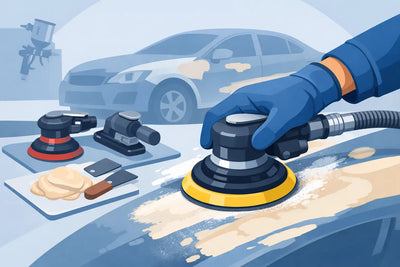
You need repeatable results - like running a DA sander where “almost the same pressure” turns into different cut rates and swirl patterns.
Regulators also protect you from the common habit of cranking the compressor up and hoping it fixes everything. If a tool wants 90 PSI at the inlet, feeding it 120 PSI might feel stronger for a minute, but it’s usually a shortcut to higher air use and more stress on the motor and seals.
One more practical point: many tools are rated at a certain SCFM at a certain PSI. That rating assumes the pressure is stable at the tool. If you don’t regulate well, you can chase “compressor problems” that are really delivery problems.
A filter separator helps when:
Water shows up at the blow gun or the tool exhaust.
Paint fisheyes appear, clear coat hazes, or you get random “spit” events.
Sandblasting media clumps, flow surges, or the nozzle slowly chokes.
Air tools get gummy vanes, rust, or gritty wear.
The “separator” part matters because it’s designed to sling heavier droplets out of the airstream (often with a swirl) and drop them into a bowl, while the filter element catches finer particles.
Here’s the trade-off: a filter separator can’t magically dry air that’s still hot and saturated. If your lines are short and everything stays warm, moisture can pass right through as vapor and then condense downstream. That’s why placement and airflow matter as much as the part itself.
If you’re running general air tools like impacts, ratchets, and hammers, a regulator is usually the first “non-negotiable” because it keeps performance predictable. A basic filter separator is still smart insurance because water and grit shorten tool life, but you can often get by with a simpler setup if you’re diligent about tank draining and tool oiling.
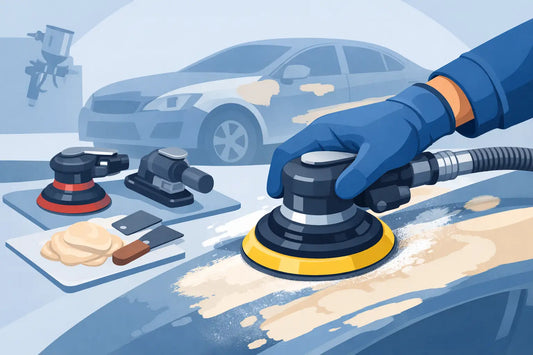
If you’re painting, doing bodywork prep, or sandblasting, contamination control jumps to the top. Moisture and oil are finish killers, and sandblasting is unforgiving when media gets damp. In those cases, you typically want both - regulate pressure so the process is repeatable, and filter/separate so the air stays clean.
If you only buy one piece because you’re on a tight budget, match it to the symptom:
Weak or inconsistent power - start with a regulator.
Water, fisheyes, media clumping, or gritty exhaust - start with a filter separator.
For most small shops and garages, you get better results by giving the air a chance to cool before final filtration. That can be as simple as running a longer hose or hard line, then putting the filter separator closer to the point of use. Cooling encourages moisture to condense before it reaches the separator bowl.
Regulators are often best placed near the tool or workstation so you can set pressure for that specific job. If you run multiple drops, a regulator at each drop keeps you from constantly walking back to the compressor or compromising on settings.
If you’re using a combined filter-regulator unit (very common), install it where you can reach it, drain it, and read the gauge without guessing.
Regulators and filter separators are rated for flow. If you push more SCFM than the unit can handle, you’ll see pressure drop (starving the tool) and the filter can become less effective. Your compressor might be plenty big, but your air treatment becomes the bottleneck.
Pay attention to:
Port size (1/4 in vs 3/8 in vs 1/2 in). Smaller ports can choke high-demand tools.
CFM/SCFM rating at a given pressure. Look for ratings that make sense for your tool’s real demand.
Pressure drop across the unit. Some loss is normal, but it shouldn’t be dramatic.
If you run high-air tools like DA sanders, cut-off tools, air grinders, or blasting equipment, sizing up is rarely wasted money. You’re buying less restriction and more stable pressure.
Filter-regulator combos: great for most workstations. You get cleaning plus pressure control in one body.
FRL (filter-regulator-lubricator): adds an oiler for tools that like constant lubrication, like some impacts and air motors.
Standalone separator plus separate regulator: more flexible when you want higher-capacity filtration or different placement.
The trade-off with FRLs is that lubricators and paint do not mix. If you oil the line feeding a paint gun or blasting setup, you can create contamination that no basic filter will fully forgive. Many shops keep oiling dedicated to a “dirty air” line for tools, and keep a separate clean, dry line for finishing.
For sanding and painting, think in stages. You want cooling distance, then separation/filtration at the point of use, and stable regulated pressure right before the gun. If you’re chasing fisheyes, don’t just keep turning down PSI - fix the contamination path.
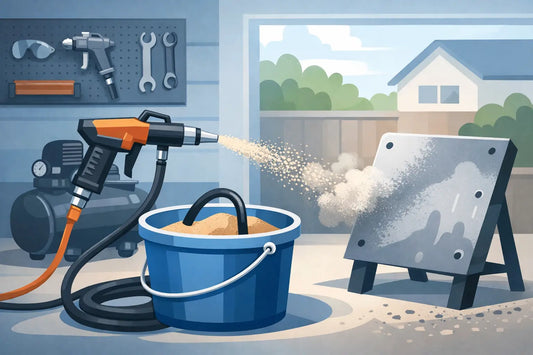
For sandblasting, plan for volume and dryness. Blasting consumes a lot of air, and damp air turns media into trouble fast. A higher-flow separator and a regulator you can lock in are both worth it. If your blaster surges, check for moisture and restriction before you blame the nozzle.
A filter separator needs routine attention. Drain it. Replace elements when they load up. If you let the bowl fill, you’re essentially re-injecting water back into the line.
Also, don’t skip the compressor basics: drain the tank and keep intake filtration in good shape. Air treatment doesn’t fix a neglected compressor - it just masks it until the worst moment.
Clean air and stable pressure don’t just make tools “work.” They make your results repeatable - and repeatable is what keeps projects moving when you’ve got real work to finish.
Factory direct from Le Lematec — professional quality, competitive prices.



 AIR REGULATORS

 ACCESSORIES