Shopping Cart
(0)
Free shipping included — no minimum on any US order

Quick Search:

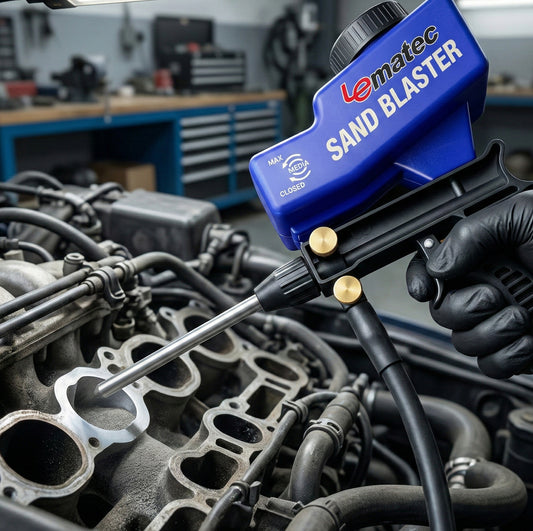
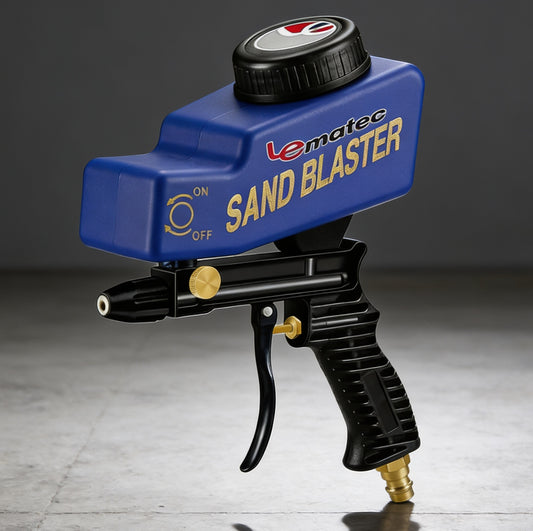

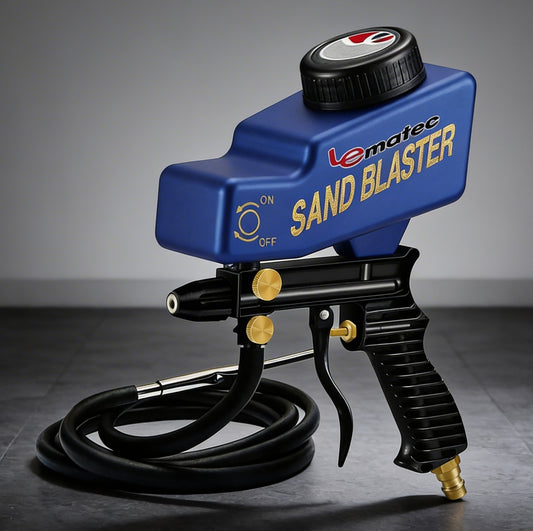

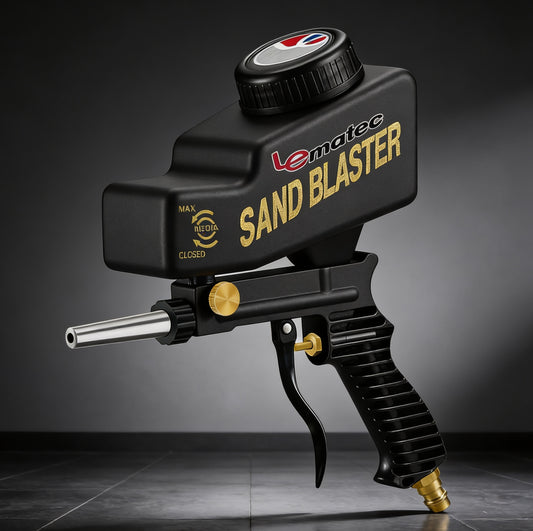
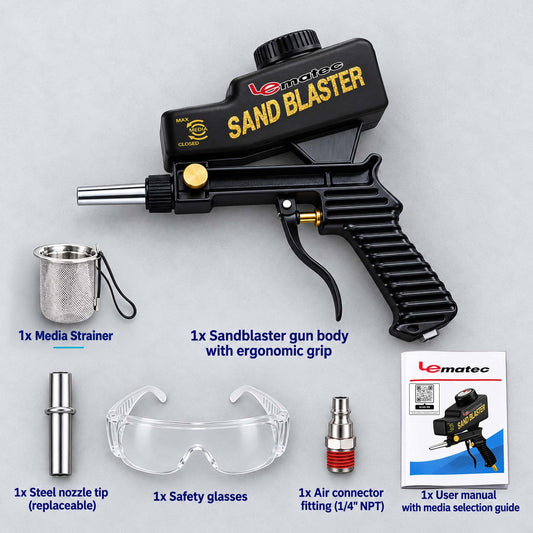

A portable sandblaster review should answer one question fast: will this setup actually keep up with your work, or will it waste air, clog constantly, and turn a two-hour prep job into an all-day mess? That matters whether you're stripping a wheel, cleaning rust off suspension parts, or prepping steel for coating. On paper, most portable units look similar. In the shop, the differences show up right away.
The first thing to understand is that "portable" does not mean the same thing for every buyer. For one shop, portable means a compact pressure pot with wheels that can move around a garage floor. For another, it means something light enough to load into a truck for field repairs. If you're buying strictly on price or tank size, you're probably skipping the details that decide whether the blaster feels useful or frustrating.
A good portable sandblaster needs to do three things well. It has to deliver consistent media flow, hold pressure without hunting, and stay manageable during real use. If the valve setup is touchy, if the hose is weak, or if the pickup clogs every few minutes, none of the advertised specs matter much.
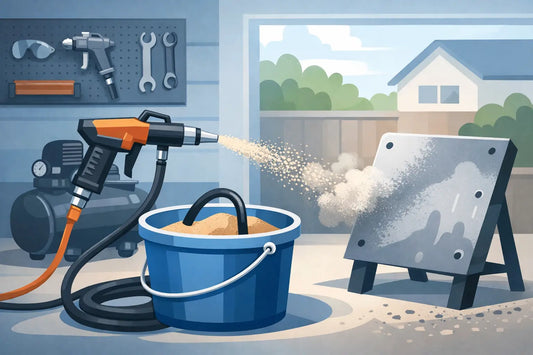
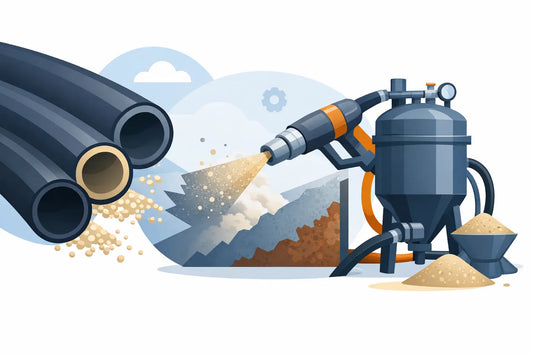
Pressure-pot units usually outperform siphon-style portable blasters for heavier rust, scale, and coating removal. They move abrasive more aggressively and generally finish jobs faster. The trade-off is air demand. If your compressor is undersized, a stronger blaster can still feel slow because the system cannot feed it properly.
This is where many buyers get disappointed. They blame the blaster when the actual problem is compressor output. A portable sandblaster can only perform as well as the air system behind it. If your compressor cannot maintain the required CFM at working PSI, pressure drops, media flow gets inconsistent, and cutting power falls off.
For lighter cleanup work, a smaller setup may be enough. If you're stripping steel parts, frames, heavy brackets, or painted surfaces, you need a compressor that can keep up for more than a few bursts. Short-cycle blasting is fine for spot work. It is a bad fit for production-minded prep.
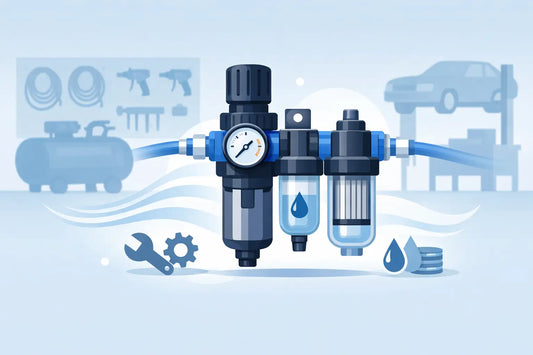
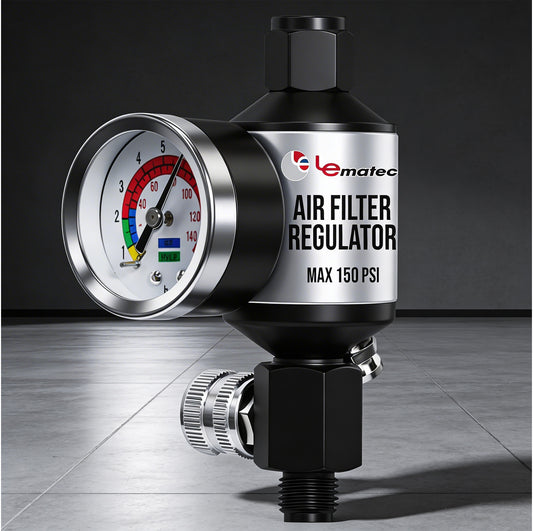
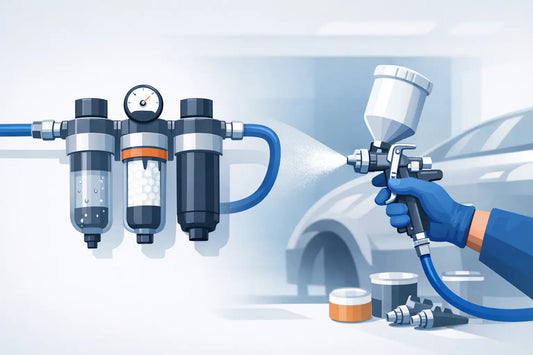
Moisture control matters just as much. Wet air turns blasting media into trouble fast. Clumping, line blockage, and uneven flow usually point back to poor air treatment. A decent filter and regulator setup is not an accessory you add later if things go wrong. It is part of making the blaster work correctly from day one.
A bigger tank sounds better, but it does not automatically mean better performance. Larger tanks reduce refill stops, which helps on broader jobs. They also add weight and bulk. If you're moving the unit around vehicles, equipment, or tight work areas, that extra size can become a hassle.
For smaller parts and occasional use, a compact tank often makes more sense. For repeat blasting sessions, a mid-size or larger pressure pot usually saves time. The right choice depends on how often you blast, how mobile you need to be, and whether the work is detail-oriented or surface-area heavy.
This is one of the easiest ways to tell if a portable sandblaster is built for regular use or built to hit a price point. Cheap valves feel acceptable until they start sticking or leaking. Thin hoses wear out sooner, especially when abrasive is moving through them at pressure. Weak clamps and fittings add downtime you do not need.
Nozzle quality matters because it affects both cutting speed and air consumption. A worn nozzle gets larger over time, which means the blaster uses more air and loses efficiency. Buyers sometimes think performance is fading because of the media or compressor, when the real issue is simple nozzle wear.
Ceramic nozzles can work for lighter and occasional jobs, but they wear faster. Tungsten carbide or better-grade nozzles cost more upfront and tend to make sense for anyone who plans to blast regularly. It is one of those parts where saving money early often costs more later.
Not every portable blaster handles every media equally well. Some flow finer abrasive better than heavier or more irregular materials. If your work includes rust removal on steel, paint stripping, aluminum cleanup, or delicate surface prep, your media choice changes how the blaster behaves.
Fine media can improve finish control, but it may also create more dust and require tighter moisture control. Coarser media cuts faster on stubborn surfaces, but it can be overkill for softer metals or detailed parts. The best portable setup is not the one that claims to do everything. It is the one that matches the jobs you actually do most often.
Spec sheets are useful, but they do not tell you enough on their own. The real test is how the unit behaves after setup. Does it pressurize without fuss? Can you dial in media flow without constant readjustment? Does it maintain a steady blast pattern for more than a few minutes? Those are the questions that matter in a serious portable sandblaster review.
Ease of loading matters too. A small fill opening becomes annoying quickly if you refill often. Wheel quality matters when the pot is full. Handle placement matters more than most buyers expect, especially if you're moving across uneven concrete or around shop clutter.
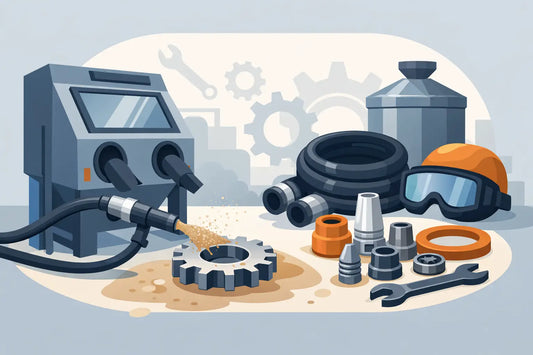
You should also look at how easy the unit is to service. Wear parts will need replacement. That is normal. What is not acceptable is a setup that makes routine maintenance harder than it should be. Straightforward replacement parts, simple valve access, and common-size fittings save time long term.
If you're an automotive DIYer working on wheels, brackets, calipers, suspension parts, and occasional body prep, a compact pressure-pot portable blaster is usually the sweet spot. You want enough tank capacity to avoid constant stops, but not so much bulk that storing and moving the unit becomes a chore.
If you run a small fabrication or maintenance shop, consistency matters more than minimum entry price. You're better off buying for uptime. That means stronger valves, better moisture control, and a nozzle setup that can take regular use. The blaster itself is only part of the system. Reliability comes from the whole air-and-media setup working together.
If you need field mobility, weight and portability jump higher on the list. In that case, the best unit may not be the biggest or most aggressive. It may be the one you can move easily, set up quickly, and run predictably from the compressor capacity you already have on site.
Some buyers overspend on tank size for jobs that are mostly small-part work. Others underspend on air prep, then fight moisture and clogging from the first use. The smarter move is to put money into the parts that control performance every session: the regulator, moisture management, hose quality, and nozzle durability.
It also pays to buy from a supplier that treats replacement parts and support seriously. Sandblasting equipment is wear equipment by nature. You do not need promises. You need parts availability, fast shipping, and warranty coverage that means something if a component fails early. That is why experienced buyers usually care as much about who sells the tool as the tool itself. For buyers who want jobsite-ready equipment without marketplace guesswork, Pro Air Tools fits that practical buying mindset.
A portable sandblaster is worth it when your jobs are too frequent or too demanding for improvised cleanup methods, but not so large that you need a dedicated cabinet or full production blast system. That covers a lot of real-world work in automotive, maintenance, fabrication, and serious DIY use.
The right unit is not the one with the loudest specs. It is the one matched to your compressor, your media, and the surfaces you actually prep. Buy for steady pressure, dependable flow, and parts that hold up. If a blaster helps you finish work faster without fighting clogs, moisture, and pressure drop, that is the review that counts.


 AIR REGULATORS

 ACCESSORIES