Shopping Cart
(0)
Free shipping included — no minimum on any US order

Quick Search:


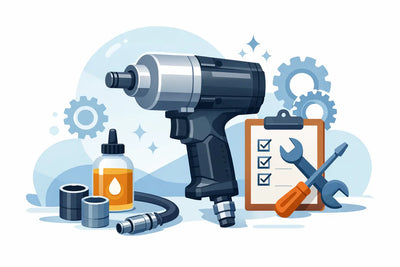
A lug nut that laughs at a breaker bar will tell you everything you need to know about tool quality. A good pneumatic impact wrench review is not really about hype, brand decals, or peak torque printed in oversized numbers. It is about whether the tool breaks fasteners loose when the car is on the lift, the compressor is already working hard, and the job still needs to move.
For most buyers, the right air impact wrench comes down to five things - real torque under load, air efficiency, control, durability, and how well the tool fits the work you actually do. If you spend your time rotating tires, handling suspension work, and knocking out routine automotive jobs, you need something very different from a technician dealing with rusted truck hardware all day. That difference matters more than most spec sheets suggest.
A lot of reviews lean too heavily on max torque. That number has value, but it is rarely the whole story. Breakaway torque can look impressive on paper while the tool feels slow, inconsistent, or air-hungry in a real shop setup.
What matters more is usable torque. That means how quickly the wrench removes stubborn fasteners, whether it keeps hitting hard after a few seconds, and how much air it needs to do that consistently. A compact wrench with lower advertised torque may outperform a larger one in day-to-day work if the motor is efficient and the hammer mechanism stays strong under continuous use.
Control is the other half of the equation. A tool that removes truck lugs without effort is great, but if it overdrives smaller fasteners or feels jumpy on reassembly, it becomes a liability. Forward and reverse settings, trigger feel, and manageable power delivery all deserve attention in any serious pneumatic impact wrench review.
A 3/8-inch pneumatic impact wrench is usually the right fit for lighter automotive work, engine bay access, and tighter spaces. It is not the first choice for seized axle nuts or heavy suspension bolts, but it can save a lot of time where a full-size tool simply does not fit.
If you do mixed repair work and want speed without carrying extra bulk, this size earns its place. Just do not expect it to replace a stronger 1/2-inch model when fasteners get serious.
For most buyers, 1/2-inch is the sweet spot. It covers tire service, brake jobs, suspension work, general mechanical repair, and plenty of shop use without being oversized. This is where the broadest range of pneumatic impact wrench options makes sense, because it is the most versatile category.
A good 1/2-inch model should have enough torque for stuck lug nuts and common rusted hardware while still feeling balanced in the hand. If you are buying one impact wrench for a home garage or small shop, this is usually the place to start.
Once you move into heavier truck, equipment, or industrial maintenance work, 3/4-inch drive and larger tools start making sense. They deliver serious removal power, but they are heavier, louder, and more demanding on air supply.
That trade-off is worth it if your work regularly involves larger fasteners. It is overkill for general passenger vehicle maintenance.
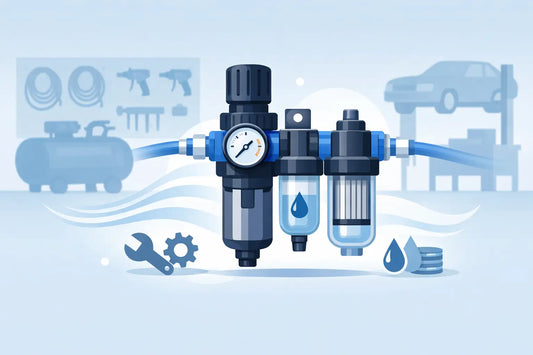
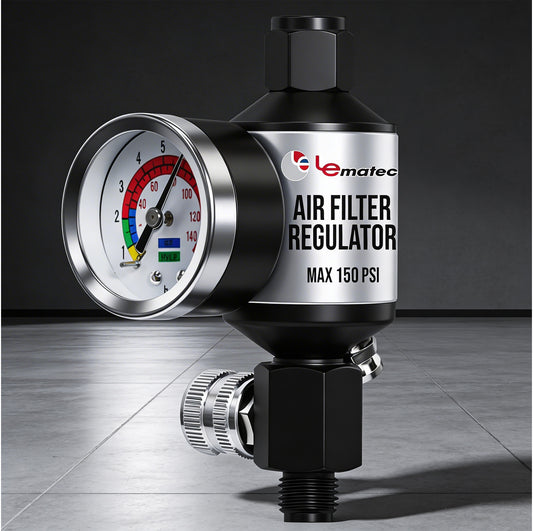
A buyer can misjudge a perfectly good impact wrench if the compressor setup is undersized or restricted. This happens all the time. The wrench gets blamed, but the problem is often inadequate CFM, long undersized hoses, poor fittings, or pressure drop through regulators and filters.
If a tool is rated well but feels lazy in use, check the entire air path. Hose diameter matters. Couplers matter. Tank recovery matters. A strong wrench on a weak air system will never show its true performance.
This is one reason air efficiency deserves more attention in a pneumatic impact wrench review. Two tools with similar torque claims can behave very differently if one reaches that output with less air consumption. In a busy shop or a home garage with a modest compressor, that difference affects uptime and frustration level.
A pneumatic impact wrench does not need fancy styling. It needs to hold up. Composite housings can reduce weight and improve comfort, but the internals are what separate a dependable shop tool from a short-term bargain.
Pay attention to the hammer mechanism, anvil fit, trigger response, and overall housing quality. A loose-feeling selector, inconsistent trigger, or rough finish around high-wear areas can be early signs of a tool built to hit a price point rather than deliver long service life.
Durability also depends on maintenance. Even a solid wrench needs clean, dry air and occasional lubrication unless the design says otherwise. Moisture, dirty lines, and neglected filters shorten tool life fast. For buyers already running pneumatic tools, this is nothing new. Still, it is worth saying because many performance complaints start with air quality, not the wrench itself.
If you use an impact wrench once a month, weight and grip shape may not feel like a priority. If you use one every day, they matter a lot. Tool balance affects wrist fatigue. Grip texture matters when your hands are dirty or gloved. Noise level and vibration also add up over a long shift.
Compact impacts have improved a lot in this area. Many now deliver strong output in a shorter body that fits tighter areas and reduces strain. That does not automatically make them better. A more compact tool can run hotter or require more air to stay competitive. Again, it depends on how you work.
The best choice is usually the one that matches your most common jobs, not the most aggressive spec sheet.
Manufacturers like to advertise the biggest possible number. That is understandable, but max torque is often achieved under ideal conditions and may not reflect normal shop use. Working torque gives a better sense of what the tool can do repeatedly.
If you are comparing tools, look for signs of sustained performance rather than one standout number. Real removal speed, consistency, and air demand tell you more than marketing language.
For removal work, reverse performance is where many impact wrenches prove themselves. A tool may tighten fasteners adequately but still struggle on corroded bolts if reverse hammering is weak or inconsistent.
That is why a practical review should focus heavily on removal performance. Breaking loose stubborn hardware is the job that justifies owning the tool in the first place.
A weekend DIYer working on passenger cars usually gets the best value from a quality 1/2-inch air impact with balanced torque and moderate air demand. It will cover the widest range of tasks without forcing a larger compressor upgrade.
A small-shop mechanic may want two impacts rather than one do-everything model - a compact tool for access and a stronger 1/2-inch wrench for heavier removal. That setup speeds up work and reduces compromise.
For fleet maintenance, fabrication, or truck service, buying based on price alone usually backfires. Downtime costs more than the difference between entry-level and professional-grade tools. This is where warranty support, fast shipping, and reliable stock availability start to matter as much as tool specs. That is also why buyers who want less guesswork tend to stick with suppliers that back their tools with real coverage and quick fulfillment, like Pro Air Tools.
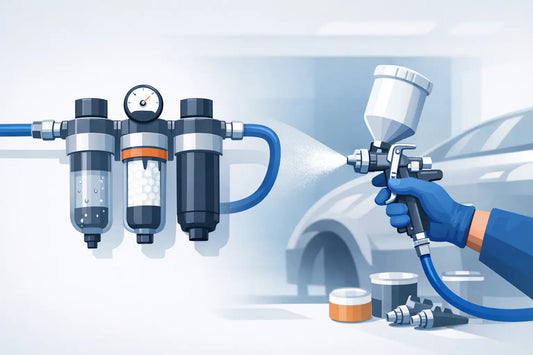
The right tool is only part of the equation. Socket quality, hose size, regulator performance, filtration, and compressor output all affect results. If your impact wrench is underperforming, replacing the tool may not fix the problem.
That is the practical side of buying pneumatic equipment. Air tools can deliver excellent power, durability, and value, but only when the system feeding them is set up correctly. Buyers who understand that usually make better purchases and get more life from every tool in the shop.
If you are shopping for an impact wrench, think less about the biggest number on the box and more about the work waiting on your bench. The best tool is the one that hits hard, fits the job, and keeps your day moving.


 AIR REGULATORS

 ACCESSORIES