Shopping Cart
(0)
Free shipping included — no minimum on any US order

Quick Search:

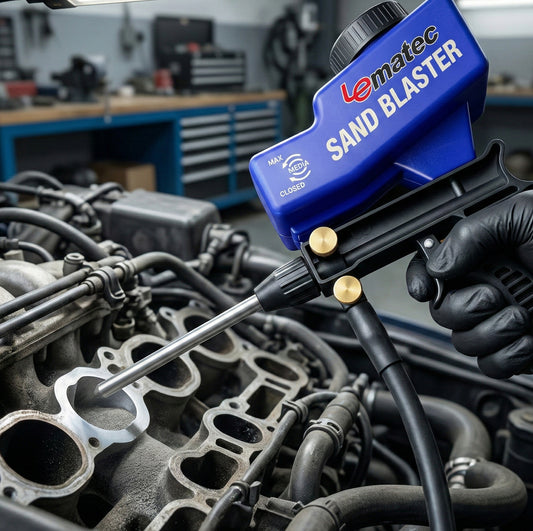
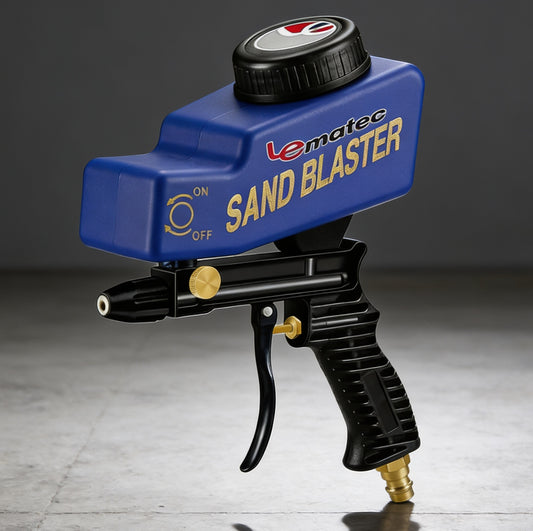
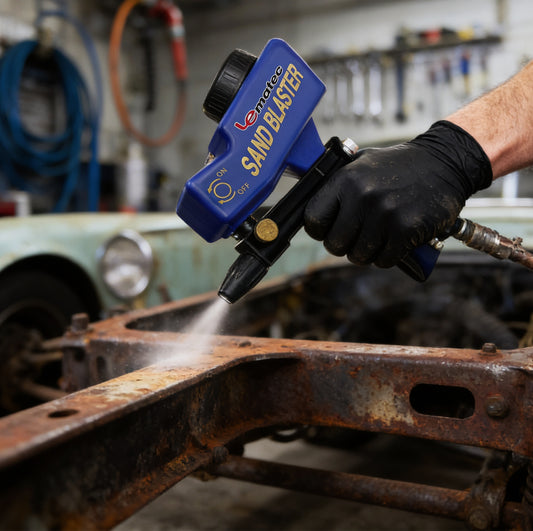
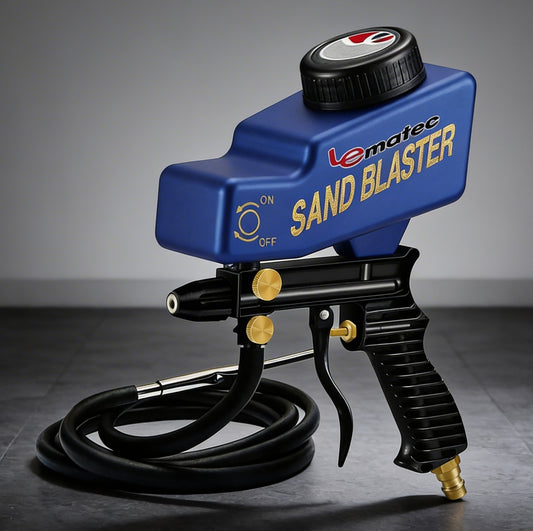
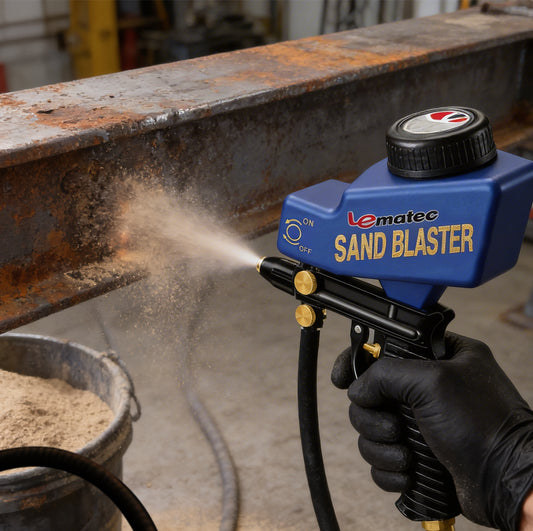
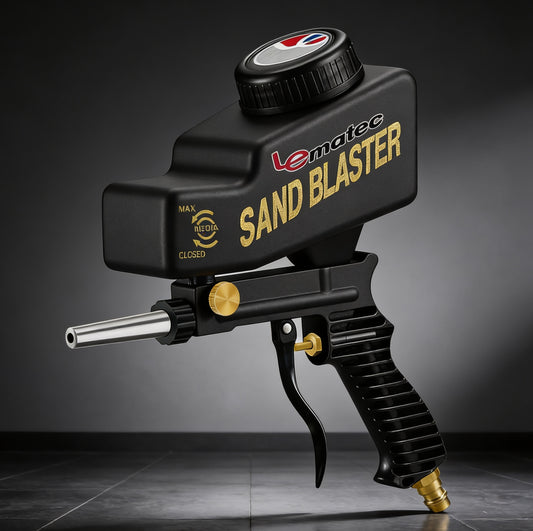
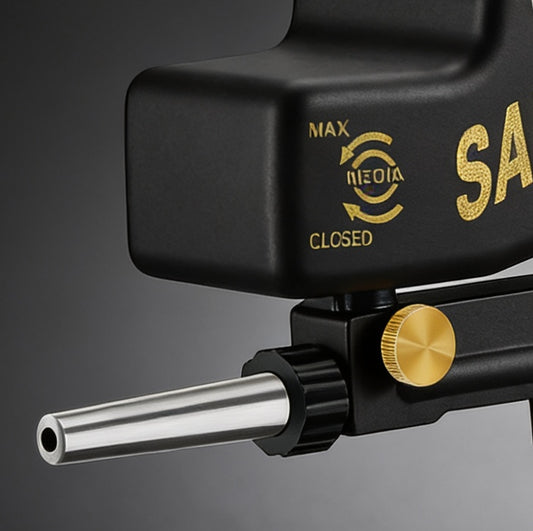

If your blast pattern feels weak, your media use is climbing, or your compressor never seems to catch up, the nozzle is usually where the problem starts. This guide to sandblaster nozzle selection is built for buyers who want cleaner results, better speed, and fewer setup mistakes before the job begins.
A lot of people focus on the blast pot, the cabinet, or the media and treat the nozzle like a cheap replacement part. That usually costs them time. The nozzle controls how your air and abrasive leave the system, which means it affects cutting speed, coverage, air demand, and how often you have to stop and troubleshoot.
The wrong nozzle can make a capable sandblasting setup feel underpowered. A nozzle with too large a bore can outrun your compressor, drop pressure at the tip, and leave you with slow cleaning and inconsistent finish quality. A nozzle that is too small can restrict production and make bigger jobs take far longer than they should.
Nozzle shape matters too. Some nozzles are built for concentrated impact on rust, scale, and tight target areas. Others are designed to widen the pattern and cover more surface with better efficiency. There is no single best choice for every shop because surface type, media, pressure, and compressor output all change the answer.
If you want predictable blasting performance, nozzle choice has to match the rest of your system.
In most cases, nozzle selection comes down to bore size, nozzle style, and nozzle liner material. Get those three right and the rest of the setup gets easier.
Bore size is the diameter of the nozzle opening. As bore size increases, air consumption rises fast. That larger opening can move more media and clean faster, but only if your compressor can maintain the required pressure.
This is where many setups go sideways. A larger nozzle sounds better on paper, but if your compressor cannot support it at working PSI, blasting performance drops. You end up using more air and media for worse results.
For smaller compressors and occasional shop work, a smaller bore is usually the safer choice. For higher-output compressors and bigger production jobs, stepping up bore size can improve throughput. The trade-off is simple: more production requires more air capacity.
Straight bore nozzles produce a tighter, more direct blast stream. They are commonly used when you want concentrated force on a small area, such as spot rust removal, edge work, or detail cleaning.
Venturi nozzles are often the better all-around choice for productivity. They are designed to accelerate the abrasive more efficiently and create a wider blast pattern. That wider pattern can help with larger panels, frames, and general surface prep where coverage speed matters.
Double venturi designs can widen the pattern even more, which helps on broad surfaces. The trade-off is control. A wider pattern is efficient for open areas, but it is not always ideal when you need precision in corners, weld seams, or smaller parts.
Nozzle liner material matters because abrasive blasting is hard on wear parts. Ceramic nozzles are inexpensive, but they wear out faster. They can make sense for lighter use, occasional projects, or lower-cost replacement cycles.
Tungsten carbide lasts longer than ceramic and is a common step up for frequent blasting. Silicon carbide and boron carbide offer even better wear resistance, especially in higher-use environments where downtime and frequent nozzle changes start to cost real money.
The cheapest nozzle is not always the lowest-cost option. If you blast often, a more durable nozzle can save time, maintain a more consistent spray pattern, and reduce replacement frequency.
If you are buying for actual work instead of theory, start with the job.
For automotive rust removal and body prep, you usually need a balance of control and speed. Smaller parts, frame sections, wheels, brackets, and patch areas often benefit from a smaller bore and a nozzle style that gives you focused control. If you move into larger body panels or repeated prep work, a venturi nozzle can help you cover more area without dragging the job out.
For fabrication and steel prep, production speed matters more. Mill scale, heavy corrosion, and weld cleanup often justify a setup with more airflow and a nozzle that can maintain a strong abrasive stream over larger surfaces. If your compressor can support it, this is where larger bores and venturi designs start making more sense.
For maintenance work and mixed-use shops, flexibility usually wins. Many buyers do not need the biggest nozzle available. They need a nozzle that performs well across different parts and surfaces without forcing a compressor upgrade. In those cases, a mid-range option matched to your available CFM is usually the smartest buy.
For DIY users and occasional blasting, cost control matters. If you are restoring parts on weekends or cleaning small batches in a cabinet, it often makes more sense to choose a modest nozzle size and durable but sensible materials rather than chasing maximum output you will never fully use.
If there is one rule in this guide to sandblaster nozzle selection, it is this: do not choose the nozzle in isolation.
Your compressor has to deliver enough CFM at your target PSI to keep the nozzle fed. If the compressor falls behind, pressure drops and blasting efficiency falls with it. Buyers often blame the media or the cabinet when the actual issue is simple mismatch.
A properly matched nozzle and compressor will give you steadier pressure, more predictable cleaning speed, and less wasted abrasive. It also reduces frustration. You are not constantly stopping to let the system recover, and you are not buying around a performance problem that started with sizing.
If you are between sizes, it is usually smarter to size the nozzle to the compressor you already trust rather than overreach and hope the system keeps up.
You can usually spot a mismatch quickly once blasting starts. If the blast stream feels weak or uneven, your nozzle may be worn or too large for your air supply. If cleaning is painfully slow even though pressure looks acceptable, the bore may be too small for the job.
Excessive media consumption can also point to poor nozzle choice or nozzle wear. As nozzles wear, the bore gets larger, air demand rises, and performance changes. That means a setup that once worked fine can slowly become inefficient without any other component failing.
Pattern shape tells you a lot too. If coverage is too narrow for large surfaces, you may need a different nozzle style. If the pattern is too broad for detail work, you are giving up control and wasting abrasive where you do not need it.
Even the right nozzle is a temporary part. Over time, wear enlarges the opening and changes the blast pattern. That affects both speed and compressor demand.
This is one reason experienced buyers keep replacement nozzles on hand instead of waiting for performance to fall off mid-project. A worn nozzle can quietly create the same symptoms as a poor initial choice. If your setup suddenly seems less efficient, inspect the nozzle before changing media, pressure settings, or other hardware.
For higher-volume users, better nozzle materials are often worth the higher upfront price. Less wear means more consistent results and fewer interruptions.
Start with your compressor output, then look at the kind of jobs you actually do most often. Be honest about whether you need detail control, broad coverage, or a balance of both. After that, choose the nozzle material based on how frequently you blast and how much downtime costs you.
That approach works better than buying the biggest nozzle or the cheapest nozzle. Bigger is only better when your air system can support it. Cheaper only saves money when replacement time and reduced performance do not matter.
For buyers who want a setup that works hard without extra guesswork, it makes sense to shop with a supplier that understands the full pneumatic system, not just individual parts. Pro Air Tools focuses on that practical side of the purchase - getting you equipment and accessories that fit the job, ship fast, and hold up when work is waiting.
The right nozzle will not fix every blasting problem, but it will make the rest of your setup perform the way it should. Pick for airflow, job type, and wear life, and your blasting work gets a lot easier from the first trigger pull.


 AIR REGULATORS

 ACCESSORIES