Shopping Cart
(0)
Free shipping included — no minimum on any US order

Quick Search:

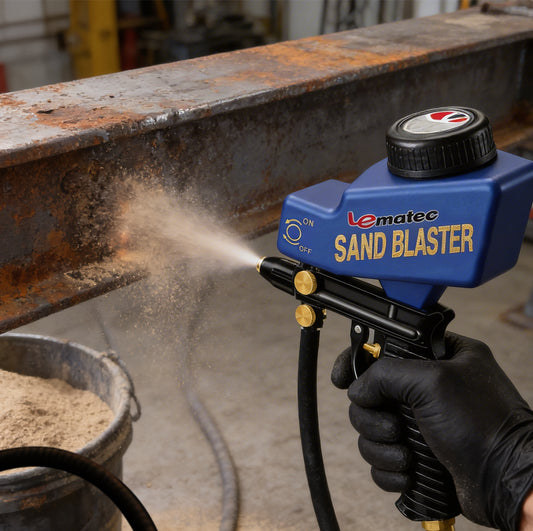
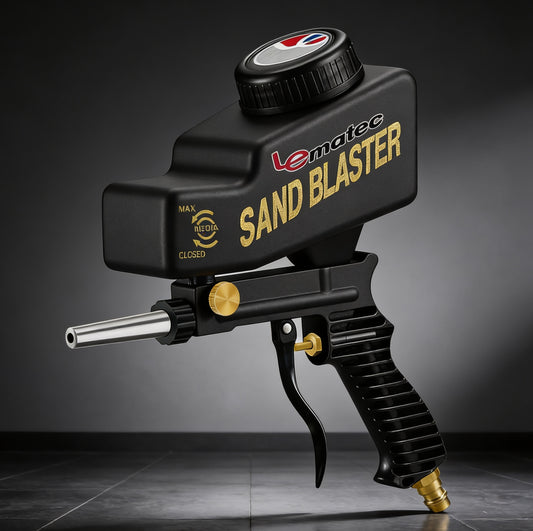
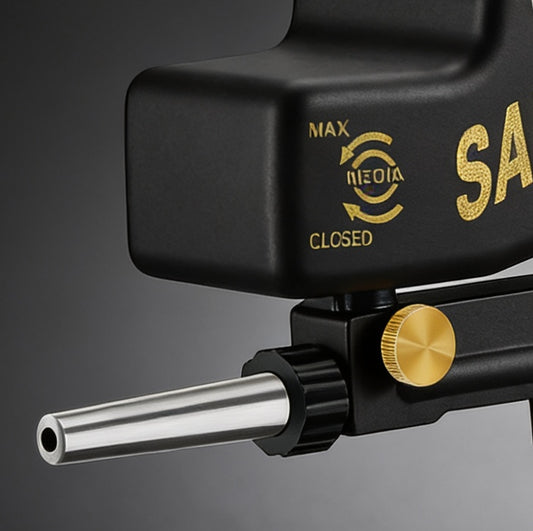

A compressor that suddenly runs hotter, drops pressure, or starts feeding dirty air into your tools usually is not having a mystery problem. Most of the time, the answer is simpler: you waited too long on maintenance. If you have been asking how often replace air compressor filter, the short answer is every 3 to 12 months for many setups - but your real interval depends on hours, dust, humidity, and how clean your air needs to be.
There is no one service interval that fits every compressor. A home garage compressor used on weekends will not load a filter the same way as a shop unit running impacts, grinders, and blasting equipment every day. That is why the best rule is to start with the manufacturer recommendation, then adjust based on how your system actually performs.
For a typical intake air filter, a good working range is inspection every month and replacement every 3 to 6 months in heavier use. In lighter use, you may stretch that closer to 12 months. For inline air filters and moisture separators, the service cycle can be shorter if you are in a humid climate or doing paint, plasma, or sandblasting work where clean, dry air matters more.
If your compressor runs in a dusty corner near grinding, sanding, or blasting, expect shorter filter life. Fine dust loads a filter fast. The same goes for shops with long run times or systems that cycle constantly through the workday.
When people ask how often replace air compressor filter, they are often talking about different parts. That matters because each filter has its own job and replacement schedule.
This is the filter on the compressor itself. It keeps dirt, dust, and debris from getting pulled into the pump. When it gets clogged, the compressor has to work harder to breathe. That can reduce efficiency, raise heat, and increase wear.
In many shops, this is the filter that needs the most regular attention. If your compressor is in a clean, low-use garage, you may replace it once a year. In a fabrication or automotive workspace, every few months is more realistic.
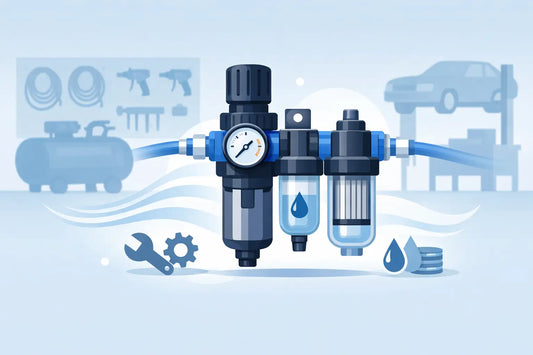
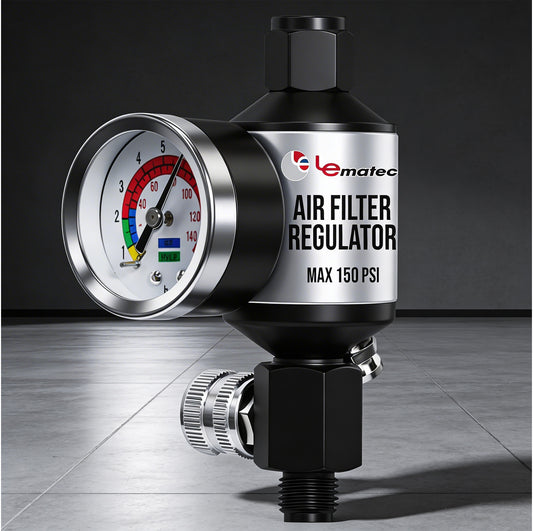
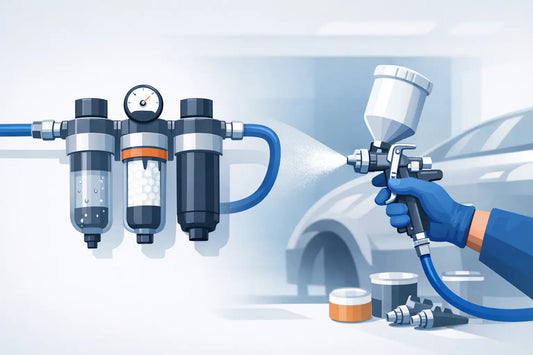
This filter sits in the air line and catches debris before it reaches your tools or process. It helps protect impact wrenches, die grinders, spray equipment, and blast cabinets from contamination.
Replacement depends on air volume and contamination level. A shop using high-CFM tools daily may go through these faster than expected, especially if the compressor room is dirty or the tank is not drained often.
A coalescing filter is designed to remove fine oil aerosols and very small contaminants. These are common in systems where cleaner air is required, especially for paint work or sensitive pneumatic equipment.
These filters are not something you want to push past their service life. Once performance drops, moisture and oil carryover become bigger problems than the cost of the element.
If your setup includes a dryer, its media or cartridge has its own maintenance cycle. High humidity, frequent compressor cycling, and heavy summer use can shorten that cycle quickly.
Waiting for a calendar reminder is fine, but your compressor will usually tell you when a filter is done. The mistake is ignoring the signs until the whole system starts underperforming.
A clogged intake filter often shows up as slower tank fill times, reduced airflow, hotter operating temperatures, or a compressor that sounds strained. You may also notice the unit cycling longer than usual for the same jobs.
A failing inline or coalescing filter shows up differently. You might see moisture getting past the filter, dirt in the line, pressure drop at the tool, or reduced finish quality in paint and blast work. Air tools may feel weak, inconsistent, or more prone to internal wear.
If a filter element looks dark, packed with dust, wet, or damaged, replace it. Cleaning only helps in limited cases, and many filter elements are not designed to be cleaned and reused without losing effectiveness.
The biggest factor is environment. If your compressor pulls air from a dusty work area, the intake filter is working overtime from day one. Sanding dust, metal fines, blasting media, and general shop debris all cut service life.
Humidity also matters. Wet air stresses the downstream filter setup, especially separators, coalescing filters, and dryers. In hot, humid regions, your air treatment system has to work harder, and replacement intervals get shorter.
Run time is the other big variable. A compressor used to fill tires once in a while can go much longer between filter changes than a unit feeding impacts, grinders, ratchets, and blasting gear through the week. More air moved means more contamination captured.
Oil carryover can also load filters faster. If your compressor is passing oil into the system, downstream elements may plug up before their normal service life. In that case, replacing the filter without addressing the root cause is only a temporary fix.
The easiest way to stay ahead of filter problems is to stop guessing. Check the manual first, then track your actual use. For most users, a simple inspection schedule works better than trying to predict the exact day a filter will fail.
Inspect the intake filter monthly. If it looks loaded, replace it. If it still looks clean but your compressor runs in a rough environment, inspect again sooner rather than later.
For inline filters, watch both the element condition and system performance. A visible pressure drop, moisture carryover, or dirty air at the tool means the element is costing you performance. Replace it before it starts affecting the job.
A lot of buyers spend real money on air tools and then try to squeeze every last hour out of a cheap filter element. That math usually fails. A fresh filter is cheaper than avoidable wear on a compressor pump, a paint defect, or a tool that loses torque in the middle of the work.
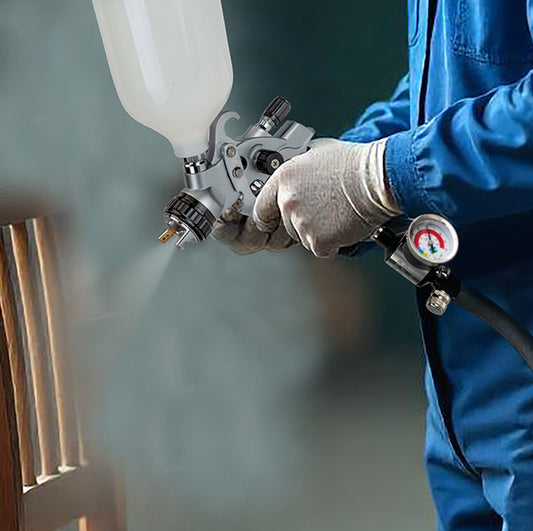
Some jobs are less forgiving than others. If you are running sandblasting equipment, paint prep tools, spray equipment, or precision pneumatic tools, air quality matters more and your service intervals should be tighter.
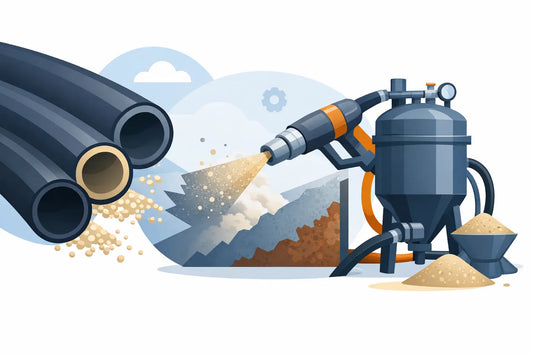
Blasting setups move a lot of air and operate in dusty environments by nature. That combination can overwhelm both intake and inline filtration faster than general-purpose shop use. Paint work is even less tolerant. A filter that is only slightly compromised can show up in the final finish.
Maintenance teams and small shops that cannot afford downtime should also replace on the early side. The cost of a filter is minor compared with losing half a day to compressor issues, contaminated air lines, or underperforming tools.
Sometimes, but not always, and not for long. Some intake filters can be lightly cleaned depending on the material and the manufacturer guidance. Even then, cleaning is usually a short-term move, not a permanent plan.
Paper-style elements generally should be replaced, not washed. Foam or reusable styles may allow limited cleaning, but once the media is damaged, clogged deep in the material, or oil-soaked, it is done. Inline and coalescing elements are usually replacement items, not clean-and-reuse parts.
If you are trying to save money by stretching filter life, focus on prevention instead. Move the compressor to a cleaner intake location, drain the tank regularly, fix oil carryover issues, and keep the work area from turning into a dust cloud.
A neglected filter does more than make the compressor work harder. It can shorten pump life, reduce tool performance, increase moisture problems, and create quality issues that waste time and materials.
For automotive work, that may mean inconsistent air tool output or poor paint results. For fabrication, it can mean reduced grinder or cutoff performance. For DIY users, it often shows up as a compressor that just feels weaker and louder than it used to.
That is why replacement timing should be based on performance and conditions, not just the hope that one more month will be fine. In most cases, if you are asking whether it is time, it probably is.
A good filter change routine keeps the whole air system more predictable. That means better airflow, less strain on equipment, and fewer interruptions when you are trying to get work done. If you want your compressor and tools to earn their keep, treat filters like consumables, not permanent parts.


 AIR REGULATORS

 ACCESSORIES