Shopping Cart
(0)
Free shipping included — no minimum on any US order

Quick Search:


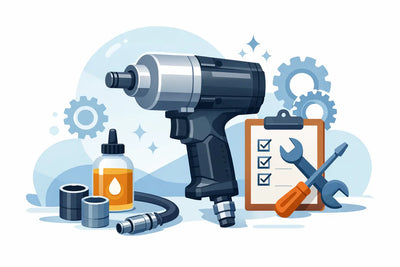
If you have ever hit a rusted lug nut that laughs at your breaker bar, you already know why impact wrenches earn their keep. The real question is what kind of impact fits your workflow - pneumatic (air) or electric (corded or cordless). The right choice is not about internet bragging rights. It is about uptime, consistency, and whether your shop setup helps the tool do its job.
An electric impact is the opposite: the tool carries its power source (battery) or depends on a cord. Setup is fast, especially on a service call or in a driveway. But performance can vary more than people expect. Battery voltage sag, heat, and how the tool manages torque electronically all affect what you get on a stubborn fastener.
So the clean way to think about pneumatic impact vs electric impact is this: air is a system decision, electric is a tool decision. If you already live on compressed air for grinders, sanders, blow guns, or sandblasting, pneumatic is usually the smoother path. If you do not have air infrastructure, electric can get you working immediately.
Pneumatic impacts tend to feel “direct” because the motor does not have a battery management system deciding how hard to hit. With enough CFM at the right PSI, the hammer mechanism cycles consistently. That consistency matters when you are breaking loose suspension hardware, crank bolts, or corroded fasteners that need repeated hits.
Electric impacts can be monsters on paper, especially modern high-end cordless models. They often hit hard in short bursts, and many have modes that prevent over-torquing or snapping smaller hardware. That is a real advantage for assembly work and mixed fastener sizes. The trade-off is that sustained hard use can expose the limits of batteries: as packs heat up or drop in charge, the tool can feel like it lost its edge.
If your work is high-resistance breakaway torque all day, a properly fed air impact tends to stay more predictable. If your work is varied - wheels, brackets, light suspension, occasional stuck fasteners - electric can be plenty, and the convenience is hard to ignore.
Pneumatic wins when the air is already there and tasks stack up. In a shop that runs air tools, the hose is part of the environment. You plug in once and keep moving. Also, air tools are easy to keep working for long stretches. If you have ever swapped batteries mid-job while the car is on the lift, you understand the hidden friction.
A practical example: tire rotations and brake jobs. A cordless impact is fast for removing wheels, but if you are doing back-to-back vehicles, battery rotation becomes a workflow. An air impact paired with a solid compressor and a decent hose setup just runs. Neither is “better” in a vacuum. The better choice is the one that reduces interruptions in your specific routine.
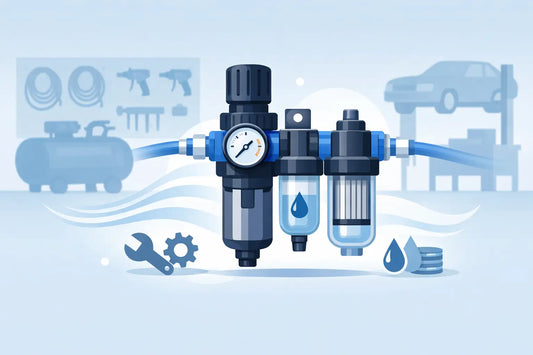
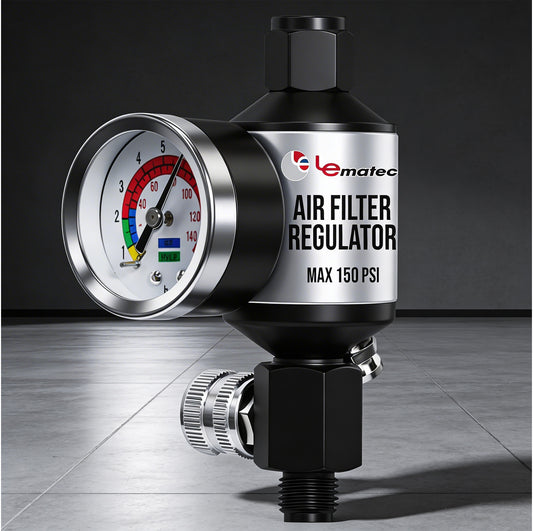
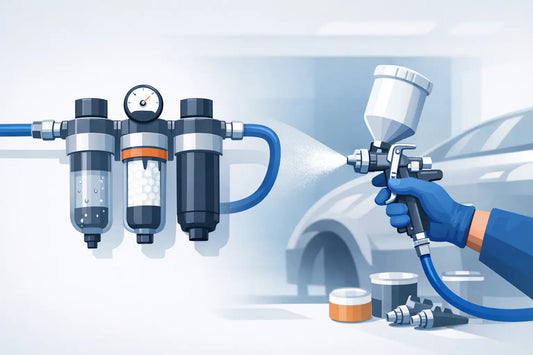
To get the best from a pneumatic impact, think like a system builder. Use adequate compressor capacity for the tool’s air demand, keep the hose diameter appropriate, minimize restrictions, and use filtration and moisture control if you care about tool life. Oil the tool if it is not oil-free rated. You do not need a complicated industrial setup, but you do need an honest one.
Electric impacts ask less up front. For cordless, the “system” is spare batteries and a charger. The hidden cost is keeping enough charged packs on hand to match your pace. For corded, the limitation is power access and the annoyance factor of cords on a busy floor.
Electric impacts fail differently. Brushless motors are durable, but electronics and battery packs are the long-term variables. If you run an impact hard in heat, drop it often, or store batteries poorly, the tool might be fine while the battery becomes the expensive weak link. For some buyers that is still worth it because the productivity gains are immediate.
For a shop that measures success by uptime, pneumatic’s simplicity can be a major advantage. If a hose gets damaged, you replace a hose. If a battery pack dies, you replace a high-dollar component.
With pneumatic, the big cost is the air system if you do not already have it: compressor, hose, fittings, filtration, and possibly a better regulator. If you already own a compressor for other reasons, adding an air impact is often cost-effective. You are buying another tool that shares the infrastructure.
With electric, the tool may cost more upfront, and batteries add up quickly if you want true nonstop use. The upside is you can start without investing in air capacity. For many home garages, that makes electric the budget-friendly entry point.
There is also the cost of lost time. A weak compressor that forces you to wait for recovery can make a pneumatic setup feel expensive even if the tool was cheap. Likewise, a single-battery cordless kit can become frustrating if your job pace outgrows it.
In-hand feel also matters. Pneumatic tools are often lighter for the same output, which helps on long days or awkward angles. Electric impacts can be heavier, especially with large battery packs, but they give you better control features more often: multiple torque settings, auto-stop modes, and speed selection that helps prevent overdoing smaller fasteners.
If you frequently switch between small bolts and big fasteners, the control features on electric can reduce mistakes. If you live in heavy fastener work, the lighter feel and steady hit cycle of air is hard to beat.
If you do mostly automotive DIY, occasional repairs, and you do not want to invest in air capacity, cordless electric is usually the fastest path to results. The tool lives in your trunk or cabinet, it is ready when you are ready, and you can scale up later with extra batteries.
If you are running a small shop, it often makes sense to have both. Use air impacts at the bay where the hose is already managed and the compressor is sized for it. Keep a cordless electric impact for quick hits, road calls, or places a hose makes the job harder than it needs to be.
If you are upgrading an air setup and want impacts to perform like they should, it is worth treating hoses, regulators, filters, and fittings as part of the “tool,” not accessories. That is also where buying from a supplier that focuses on pneumatic systems can save you time - not just on the purchase, but on getting the setup right. If you want to keep it simple, Pro Air Tools is built around that kind of jobsite-ready pneumatic workflow with fast fulfillment and a 36-month warranty.
The best impact is the one that does not slow you down or surprise you. Match the tool to the way you work, and you will feel it every time a stuck fastener breaks loose like it was never a problem.
Factory direct from Le Lematec — professional quality, competitive prices.


 AIR REGULATORS

 ACCESSORIES