Shopping Cart
(0)
Free shipping included — no minimum on any US order

Quick Search:

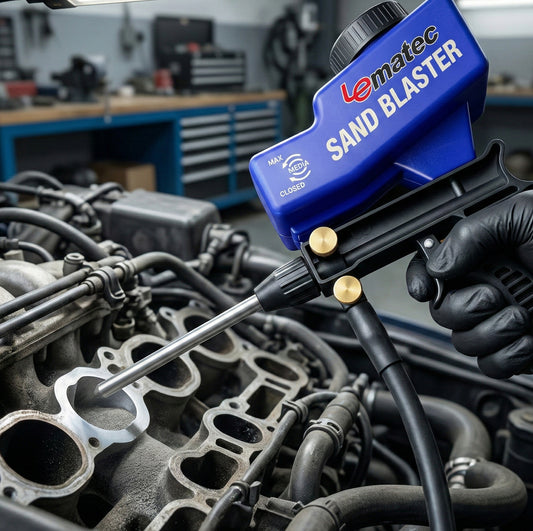
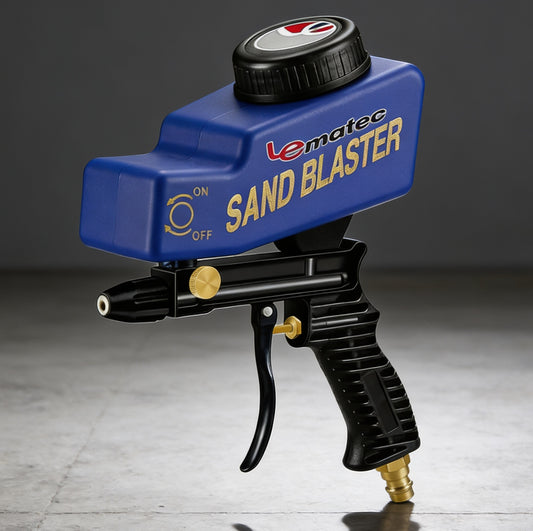
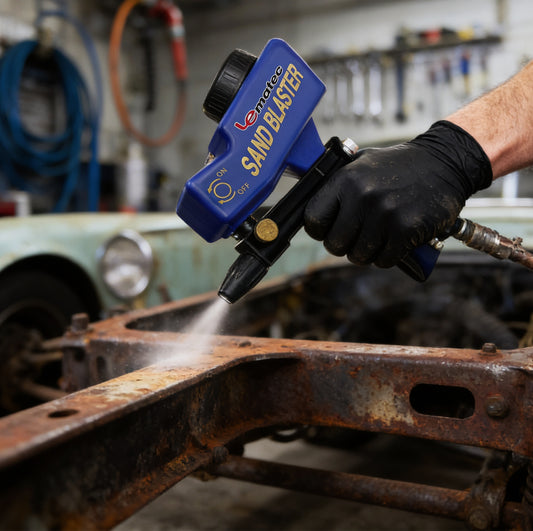
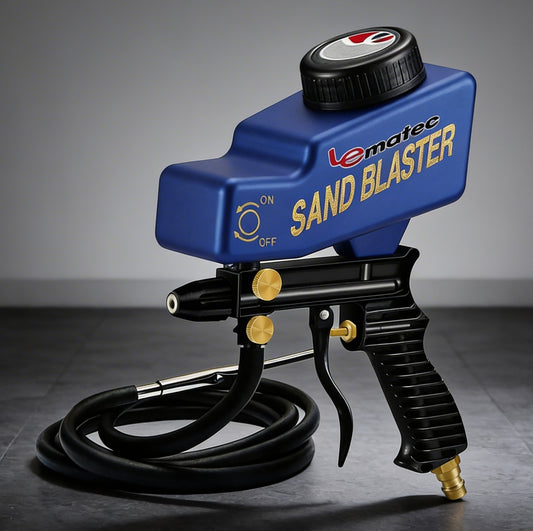
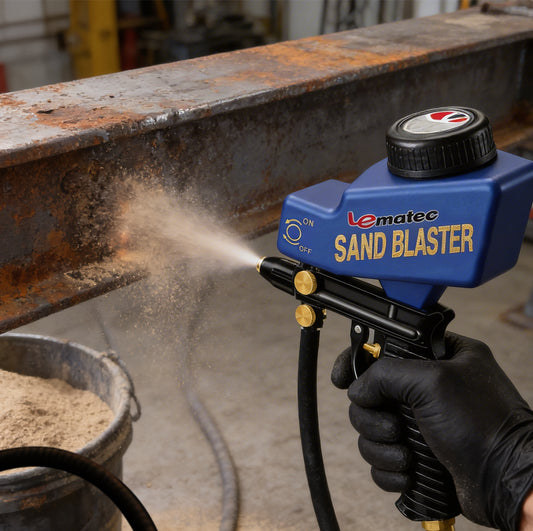
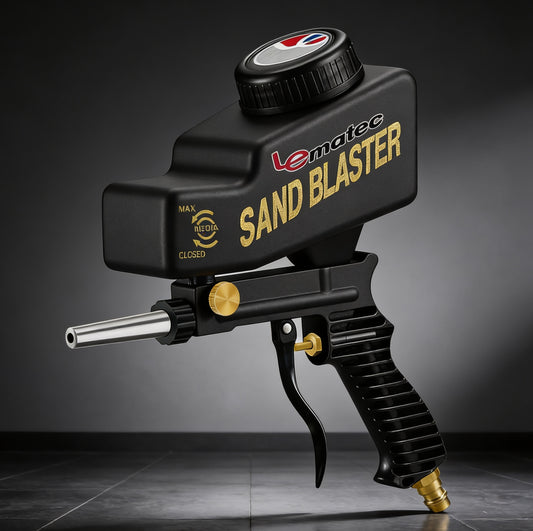
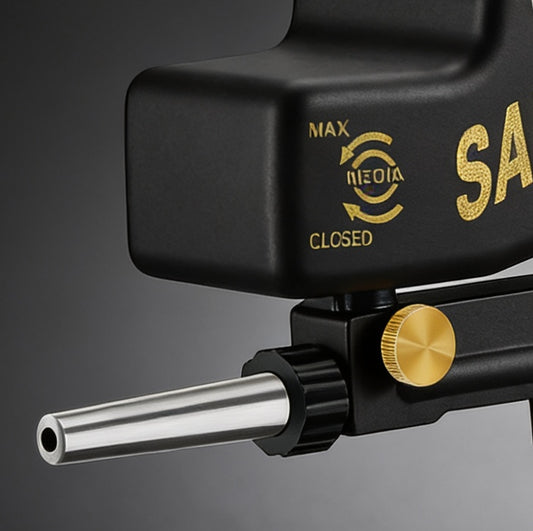

You usually notice blast media moisture at the worst possible moment - when the nozzle starts surging, the media stops flowing cleanly, and a simple blasting job turns into a clog-clearing session. If you are figuring out how to prevent blast media moisture, the fix is rarely just one part. It comes down to air quality, media storage, hopper condition, and how long your setup runs before water starts building in the line.
Moisture is one of the fastest ways to kill blasting efficiency. It causes abrasive to clump, bridges inside the pot or hopper, and makes flow inconsistent at the nozzle. That means slower production, uneven cleaning, and wasted media. In a small shop, that costs time. In a working bay or maintenance setting, it can throw off the whole day.
Compressed air always carries some amount of water vapor. When that air is squeezed, heated, and then cooled in the system, moisture condenses out. If your compressor runs hard, your shop is humid, or your air lines are not set up to separate water properly, that moisture eventually reaches the blast pot.
The abrasive itself can also be the problem. Many blasting media types will absorb humidity from the air if they are stored in an open bag, a damp shed, or a shop corner that sees temperature swings. Even if the media looked fine yesterday, overnight humidity can be enough to create lumps and poor flow the next morning.
This is why preventing moisture is not only about buying dry media. It is about controlling the whole path from compressor to nozzle.
The best place to solve the problem is before water gets near the pot. If your compressed air is wet, every other fix is temporary.
Start with compressor management. A hot-running compressor makes more condensation downstream, especially during longer blasting sessions where demand stays high. Draining the compressor tank daily matters more than many users think. If water is collecting in the tank, it is already in the system.
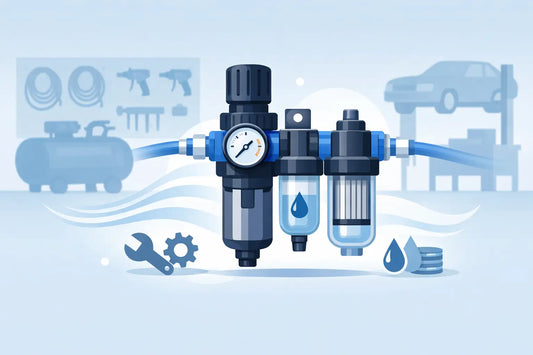
A basic water separator helps, but blasting often needs more than the smallest inline filter. High air volume creates more opportunity for moisture carryover, so capacity matters. If the separator is undersized for the CFM your blasting setup needs, some water will make it through anyway.
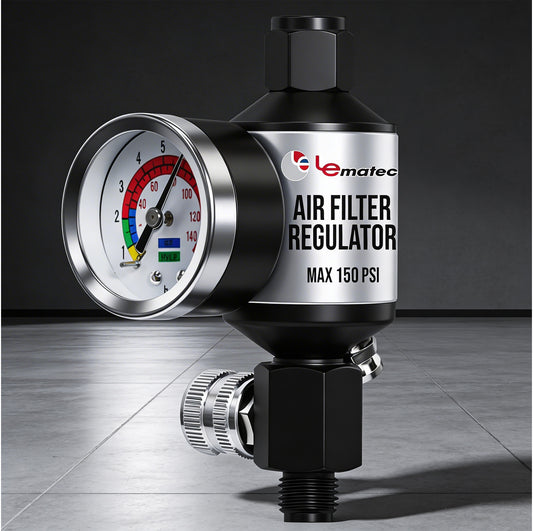
A more reliable setup usually includes a regulator, moisture separator, and additional filtration placed where the air has time to cool before reaching the filter. That last part matters. If air is still too hot when it reaches the separator, much of the water remains vapor and passes through. As the line cools later, that vapor turns into liquid farther downstream, right where you do not want it.
One common mistake is running a short line straight from compressor to blasting equipment and expecting one filter to handle everything. In real use, a little extra plumbing often improves results. Longer metal air lines or a cooling loop help drop air temperature before it hits the separator. Once the air cools, the separator has a better chance of pulling out actual liquid moisture.
Rubber hose alone is not always ideal for this. It does not shed heat as well as metal pipe, and in some setups it lets the problem move farther down the line. The exact layout depends on shop space and blasting frequency, but the principle stays the same - cool first, separate second.
If you only blast occasionally on low-humidity days, a good separator and disciplined draining may be enough. If you blast regularly, especially in a humid climate or for long stretches, you may need a more serious air-drying solution. Refrigerated dryers and desiccant dryers both have their place.
A refrigerated dryer works well for many shop systems because it removes a steady load of moisture without much day-to-day attention. A desiccant dryer can get air even drier, which is useful for blasting where moisture creates immediate flow problems, but desiccant systems need maintenance and media replacement. The right choice depends on how critical dry air is to your throughput and how often the system runs.
Even perfect air treatment will not save media that has already absorbed moisture in storage. Open bags left on a concrete floor are asking for trouble. So are partially used containers with loose lids.
Store blast media in sealed containers whenever possible. If you buy in bags, transfer opened material into airtight bins with tight lids. Keep those bins off the floor and away from roll-up doors, unconditioned sheds, or areas with big day-to-night temperature swings. Concrete floors can pull temperature down and create condensation around stored material, especially in humid conditions.
If a batch of media feels damp or has visible clumps, do not pour it into the pot and hope airflow will fix it. Usually it will not. It will bridge, pulse, or plug the feed system. Dry media flows predictably. Damp media wastes time.
Blast media moisture problems are sometimes mixed with oil contamination or general debris. If compressor oil carryover gets into the line, media can cake even faster and stick to internal surfaces. Dust, rust scale, and old media fines inside the pot can also hold moisture and make flow worse.
That means prevention includes keeping the system clean. A dry blast pot with dirty internals is still a problem waiting to happen.
The pot or hopper needs attention too. If it was put away with damp media inside, stored outside, or left in a humid area with the lid not sealed well, moisture can collect even when your air system is in decent shape.
Before loading fresh abrasive, check the inside of the pot. Look for caked media, rust, or residue stuck to the walls. Any rough, damp, or contaminated surface encourages bridging and inconsistent feed. Clean out old material completely instead of topping off whatever is already in there.
Lids, seals, and gaskets also matter. A poor seal lets humid air cycle in and out during storage. On pressure pot systems, bad seals can create feed issues that look like media moisture even when the root problem is pressure loss. It is worth checking both because the symptoms overlap.
If you are blasting outdoors, keep the pot covered when not in use. Morning humidity, light rain, or even overnight dew can affect stored abrasive faster than many users expect.
Humidity, temperature, and runtime change how aggressive your moisture control needs to be. In Arizona, a simple setup may run clean for hours. In Florida, Gulf Coast shops, or any humid summer environment, the same setup may struggle in under an hour.
That is why there is no single answer for every user. The right setup depends on compressor size, CFM demand, hose length, media type, and local conditions. Fine media often shows moisture problems sooner than coarser abrasive because it packs tighter and bridges more easily. Longer blasting sessions also expose weak air drying faster than quick spot jobs.
If your setup runs fine for 10 minutes and then starts clogging, that points toward moisture accumulation in the air system. If it clogs immediately with newly loaded material, storage or pot condition is more likely. Pay attention to when the problem starts. That usually tells you where to look first.
The most reliable answer to how to prevent blast media moisture is a repeatable routine, not a one-time fix. Drain the compressor tank. Drain separators. Start with dry, sealed media. Load only what you need for the job if humidity is high. Keep the pot clean and closed when idle. Check hoses and fittings for water carryover before blaming the abrasive.
For frequent blasting, it makes sense to build the system around prevention instead of troubleshooting. Good filtration, proper regulators, dry storage, and blasting accessories sized for your airflow will save more time than constantly breaking down clogs. That is the practical side of buying the right setup the first time.
At Pro Air Tools, this is how most users get better blasting results - not with a magic add-on, but by treating air control and media handling as part of the same system.
Dry media should flow like a tool you can trust. Once your air stays dry and your abrasive stays sealed, blasting gets faster, cleaner, and a lot less frustrating.





 AIR REGULATORS

 ACCESSORIES