Shopping Cart
(0)
Free shipping included — no minimum on any US order

Quick Search:
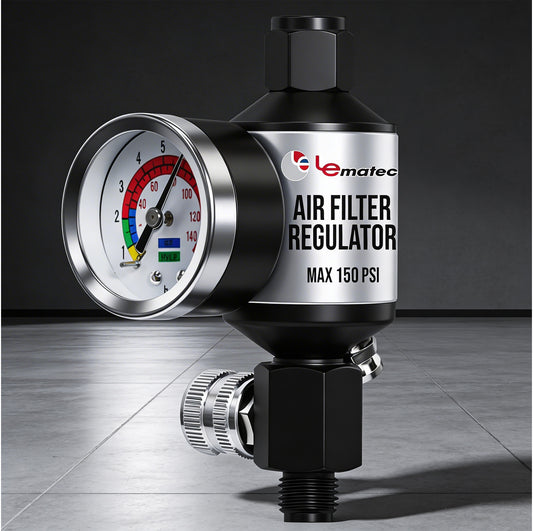

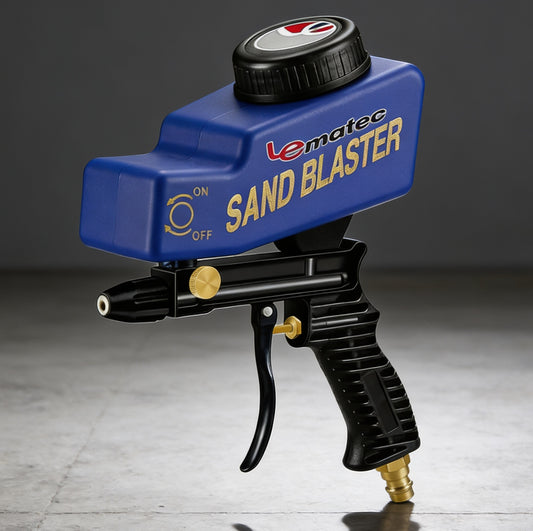
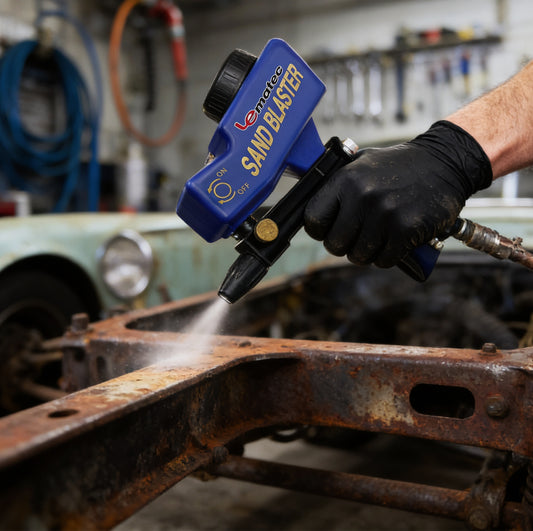
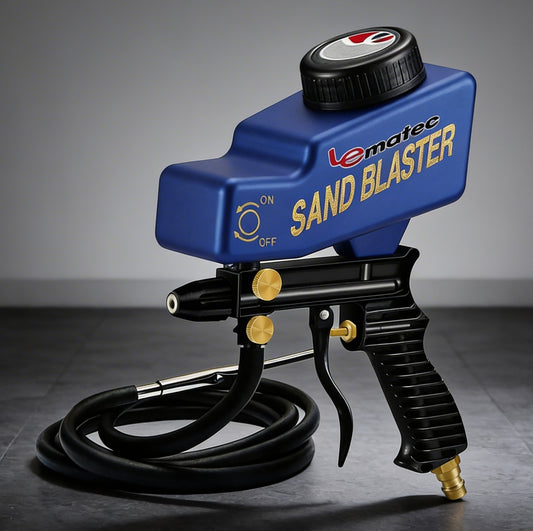
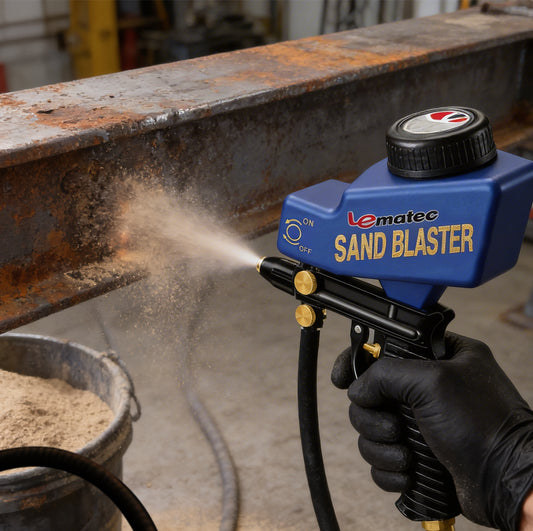

A low price on a kit looks good until the regulator chokes airflow, the hose is too short for the bay, or the impact wrench in the box is the weak link that slows the whole job. That is why pneumatic tool bundle deals are worth a closer look. The right bundle saves money and cuts shopping time. The wrong one leaves you replacing half the package before the first real project is done.
If you buy air tools for actual work, value is not just about getting more pieces in one carton. It is about getting the right combination of tools, accessories, and support so you can put the setup to work fast and keep it working. For mechanics, fabrication shops, maintenance teams, and serious DIY users, that difference matters.
The best bundles solve a job, not just fill a box. A good kit should match how pneumatic tools are actually used - with the right air requirements, practical accessories, and enough quality to hold up under repeat use. If a bundle gives you a solid impact wrench, a useful ratchet, a dependable inflator, and the fittings or hose support needed to get started, that is real value.
Price still matters, of course. Buying bundled tools usually lowers the per-tool cost compared with adding each item one by one. It can also help you hit free-shipping thresholds more easily, which matters when you are already purchasing filters, media, or replacement accessories. But the strongest reason to buy a bundle is not just savings. It is fewer purchasing mistakes and less downtime.
That is especially true when the seller backs the tools with a real warranty and ships fast. For working buyers, waiting around on replacement tools or chasing unclear support is often more expensive than paying a few dollars more for a better source.
A bundle should earn its place in your shop. Start with the core tool, because that is usually what drives the purchase. If the kit is built around an impact wrench, look at torque, working pressure, air consumption, and intended use. A compact impact for tire and light mechanical work is not the same as a heavier-duty unit for stubborn suspension or shop-level teardown.
Then look at the supporting tools. Some kits mix high-use tools with filler items that rarely leave the drawer. An air ratchet, hammer, grinder, or inflator can make sense in a bundle if it fits the same workflow. A random assortment of low-priority tools can make the package look bigger without making it more useful.
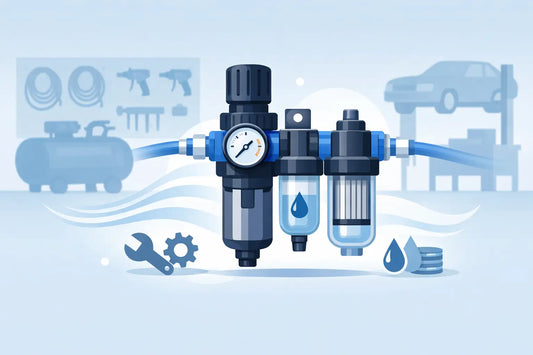
Accessories are where a lot of deals separate fast. A bundle may include couplers, plugs, a hose, or a regulator setup. Those add-ons matter because poor airflow can make good tools perform badly. If your compressor and plumbing are already dialed in, you may not need every accessory in the kit. If you are setting up a new workspace or expanding into a second bay, those extras can save time and remove guesswork.
It also pays to look at warranty length and fulfillment speed as part of the value. A cheap kit with weak support is not really cheap if one failed tool stops the work. A clear 36-month warranty and 1-day shipping promise are not marketing fluff for serious users. They reduce risk.
There is no single best kit for everyone, because air tool value is task-specific. Automotive buyers usually get the most from bundles centered on impact wrenches, ratchets, and tire service tools. Those combinations fit daily work, whether you are rotating tires at home or keeping a small repair shop moving.
For fabrication and metal work, the better bundle may lean toward grinders, cutters, or air hammers. In those cases, the right speed, control, and duty tolerance matter more than having the highest tool count. A smaller kit with stronger tools often beats a larger bargain set.
Maintenance teams tend to benefit from general-purpose combinations that cover fastening, surface prep, and inflation. Here, convenience matters. One order that arrives quickly with job-ready tools is often better than piecing together separate purchases from multiple sellers.
DIY buyers should be honest about frequency of use. If the tools will come out every weekend, durability matters almost as much as it does for a pro. If the use is occasional, a bundle still needs to be reliable, but the best deal may be the one that covers common jobs without overbuying specialized pieces.
Some bundles are priced to move because the package is uneven. One strong tool carries several lower-grade accessories or underpowered companions. That does not always make the kit bad, but it should change how you value it.
Be careful with vague specifications. If the listing tells you there are seven pieces but says little about air consumption, pressure range, build quality, or intended applications, there is a reason. Buyers who already know pneumatic tools do not need hype. They need operating details.
Another red flag is a bundle that ignores the air system behind the tools. Pneumatic performance depends on clean, steady air. If your work involves grinders, sanders, or long run times, filtration and regulation matter. If the bundle encourages a purchase but leaves out the setup needed for consistent performance, plan that into your real cost.
You should also watch for kits that are cheap because the included hose, fittings, or inflator are the first parts you will replace. Consumable-grade accessories are fine if the pricing reflects it. They are not fine when they are being used to make the bundle look more complete than it really is.
Bundles make the most sense when you are building out a workstation, replacing several worn tools at once, or adding capability for a new type of work. In those situations, the time savings are almost as important as the price. One checkout, one shipment, and one source for warranty support is simply easier.
They also work well when the items are naturally paired. A die grinder with surface prep accessories, or an impact wrench paired with tire service support, gives you an immediate use case. That is better than assembling a cart slowly and second-guessing whether the pieces match.
Buying one at a time can still be the better move if you already own quality accessories, have strict brand preferences for certain tool categories, or need a very specific performance level from one tool in the mix. There is no point paying for duplicate fittings or entry-level extras you do not need. Good buying is about fit, not just discount math.
The fastest way to evaluate a bundle is to price the core tool first, then ask whether the remaining items would be worth buying on their own. If the answer is yes, the deal is probably real. If the extras feel optional or replaceable, discount them heavily in your own math.
Next, check whether the bundle helps you get to work immediately. That means compatibility with your compressor, enough airflow support, and a tool mix that matches your regular jobs. A five-piece kit that covers everyday work is more useful than a nine-piece kit that leaves you missing one critical component.
Finally, think about total buying friction. Fast shipping, straightforward warranty coverage, and factory-direct pricing all count. For a buyer who needs tools on schedule, those are part of the deal, not extras. Pro Air Tools leans into that practical side of the purchase for a reason. Most customers would rather spend five minutes choosing the right setup than spend five hours chasing a late order or a weak replacement policy.
The smartest buyers treat a bundle like a working setup, not a bargain bin score. They look at the lead tool, the supporting pieces, the air requirements, and the confidence behind the sale. They know that a useful kit should either save money, save time, or do both.
If a bundle helps you cover real jobs with dependable tools, ships fast, and comes backed by a warranty that removes some risk, it is doing what a good deal should do. The best purchase is not the one with the most pieces. It is the one that makes the next job easier to start and easier to finish.




 AIR REGULATORS

 ACCESSORIES