Shopping Cart
(0)
Free shipping included — no minimum on any US order

Quick Search:
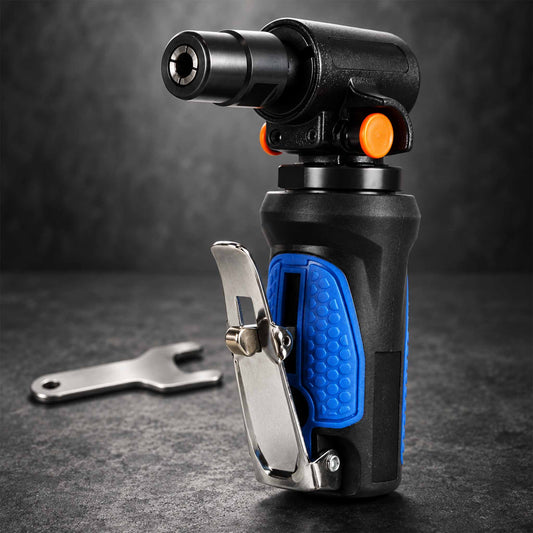

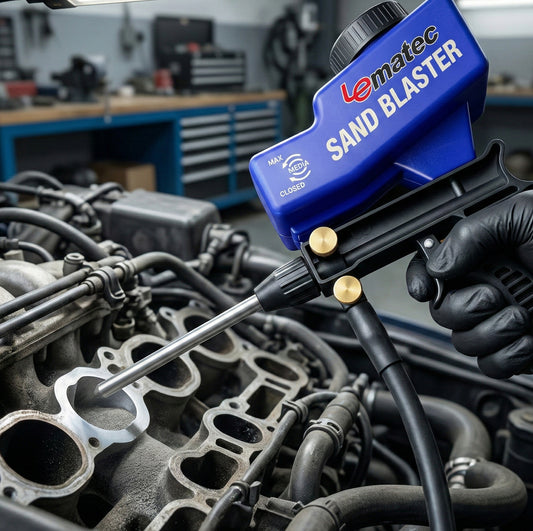
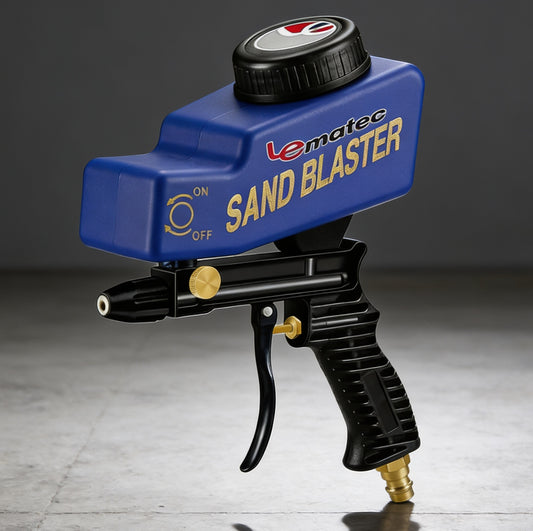

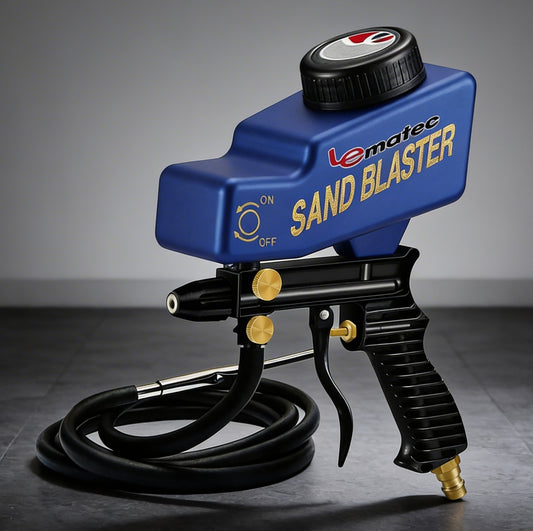

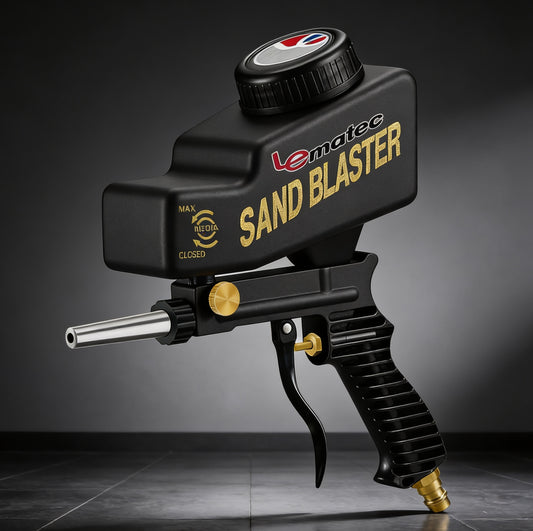
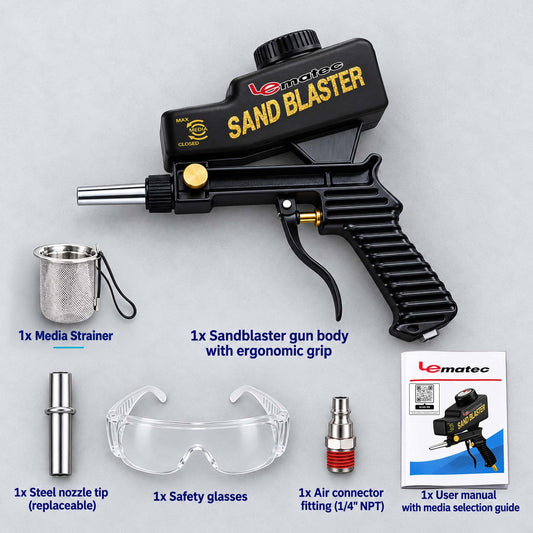

A die grinder that bogs under load, a paint gun that spits, a blast cabinet that feels inconsistent from one minute to the next - those problems often get blamed on the tool. A lot of the time, the real issue is air control. If pressure is unstable or set wrong, even a solid compressor and a good pneumatic tool can feel unreliable.
That is where an air regulator earns its place. It is not just another fitting in the line. It is the part that helps your tools see the pressure they are supposed to see, instead of whatever the tank happens to be pushing at that moment. For anyone running impacts, grinders, sanders, spray equipment, or sandblasting gear, that difference shows up fast in performance, finish quality, and tool life.
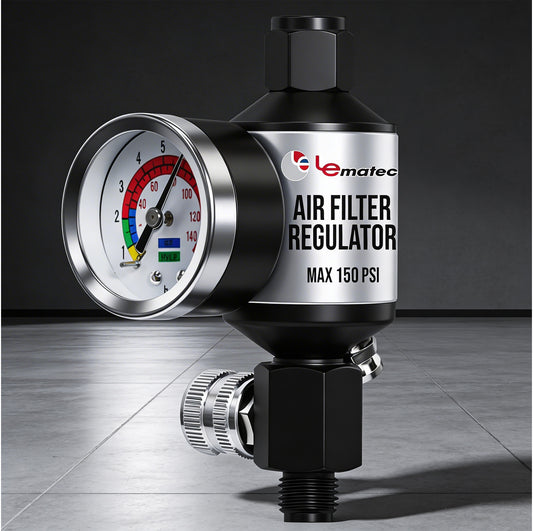
An air regulator reduces incoming air pressure to a controlled outlet pressure and then works to keep that outlet pressure steady as conditions change. Your compressor tank pressure rises and falls. Your air demand changes when a tool starts, stops, or hits heavier load. The regulator is there to smooth that out and deliver pressure closer to what the application actually needs.
That matters because most pneumatic tools are designed around a target working pressure, commonly 90 PSI at the tool inlet. More pressure is not automatically better. Running too high can increase wear, waste air, and make a tool harder to control. Running too low can kill torque, slow cutting speed, and make blasting or spraying uneven.
A regulator is really about control, not just restriction. It gives you a usable setting that matches the job instead of forcing every tool and accessory to live with full tank pressure.
In a busy shop or home garage, pressure problems can hide in plain sight. A compressor may look fine on paper, but if the pressure reaching the tool is wrong, the setup will still disappoint.
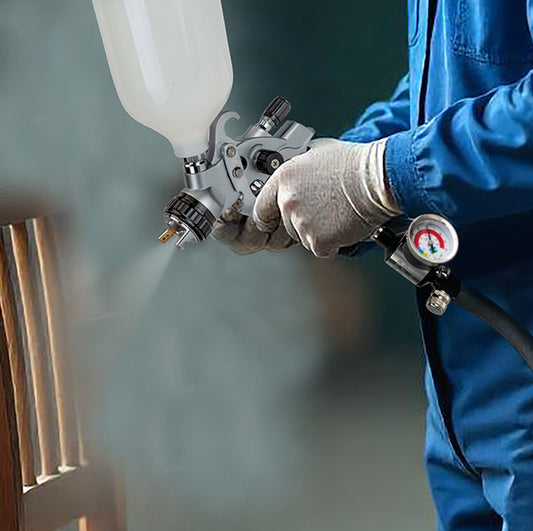
With an impact wrench, incorrect pressure can mean weak breakaway torque or unnecessary hammer wear. With an air sander or grinder, it can mean poor speed consistency that shows up in the finish. With paint and blasting equipment, pressure swings are even less forgiving. You start seeing uneven media flow, pattern changes, wasted material, and more rework.
There is also the issue of air consumption. Many people try to fix weak performance by turning pressure up. Sometimes that helps for a moment, but it can also increase air use and make a compressor fall behind faster. If the system already has hose restrictions, moisture issues, or undersized fittings, adding more pressure does not solve the root problem. It just masks it briefly.
The right location depends on the setup. In many shops, the main regulator sits near the compressor or at a wall-mounted filter-regulator assembly. That works well for setting general shop pressure. It gives the whole system a controlled starting point.
But point-of-use regulation often makes more sense when different tools need different pressures. A blast cabinet, a spray gun, and a 1/2-inch impact wrench do not always want the same setting. Putting a regulator closer to the tool or station gives more precise control and cuts down on guesswork.
There is a trade-off here. A single central regulator is simpler and cleaner. Multiple regulators at workstations give better flexibility. If your setup changes often, point-of-use control is usually worth it.
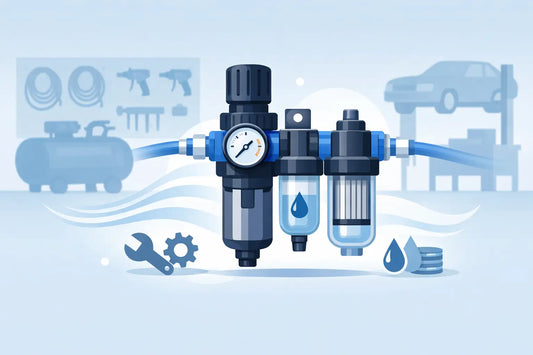
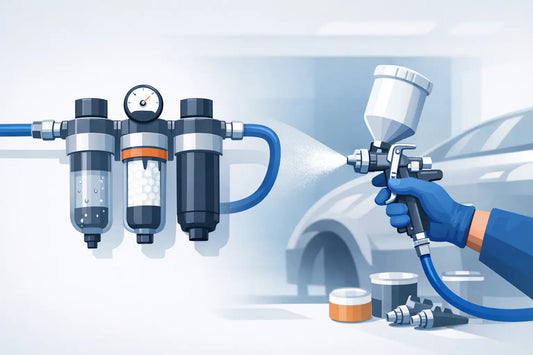
This is where buyers sometimes get tripped up. An air regulator manages pressure. An air filter removes contaminants like water, oil mist, and debris. Many assemblies combine both, and that is often the best move for real-world shop use.
If you only regulate pressure but send wet, dirty air downstream, you can still damage tools and ruin finishes. Moisture is especially hard on sandblasting and paint work. Water in the line can clump media, affect spray quality, and create corrosion inside tools and accessories.
A combined filter-regulator setup gives you two kinds of protection at once - cleaner air and controlled pressure. For general pneumatic tool use, that is a practical baseline, not an upgrade for show.
The first thing to look at is pressure range. You want a regulator that covers the working pressure your tools actually use, with enough adjustment to fine-tune. Most general shop setups are not extreme here, but the adjustment still needs to be stable and easy to read.
Flow capacity matters just as much. A regulator can have the right PSI range and still choke performance if it cannot supply enough volume. High-demand tools and blasting setups expose this quickly. If the regulator is undersized, pressure drop under load becomes the real problem, and the gauge may mislead you when no air is flowing.
Port size is another practical factor. A small regulator installed in a higher-demand line can become a bottleneck. That does not mean every setup needs the biggest unit available, but matching fittings, hose size, and expected CFM demand matters.
Gauge visibility also deserves more attention than it gets. If the gauge is hard to read, inaccurate, or placed where you cannot see it while adjusting, setup takes longer and errors become routine. In a shop, small frustrations add up.
Build quality counts too. Regulators live in working environments, not clean display cases. Threads need to seal properly. The adjustment knob should hold its setting. The body should handle normal shop abuse without feeling fragile. For buyers who care about uptime, reliability beats gimmicks every time.
If pressure drifts without you touching the setting, that is a warning sign. If the tool feels strong at first and then inconsistent during use, the regulator may be undersized, worn, or dealing with contamination.
Another common sign is a mismatch between gauge reading and real tool performance. Static pressure can look good while flowing pressure drops badly once the trigger is pulled. That can point to the regulator, but also to hose length, couplers, or compressor output. It depends on the whole system, which is why pressure issues need a little diagnosis instead of a quick guess.
If adjustment feels sticky or the regulator no longer responds predictably, internal wear or debris may be at work. In filter-regulator combos, neglected filter maintenance can also affect performance.
The right way to set pressure is under flow, not just with the tool sitting idle. If you dial in 90 PSI while nothing is running, the actual pressure at the tool can drop once air starts moving.
Start with the compressor fully charged and the tool connected. Open air flow by running the tool or operating the equipment as you adjust the regulator. Then bring pressure to the tool maker's recommended working range. If you are doing blasting or spraying, make small changes and watch the result, not just the gauge.
That last part matters. The number on the dial is useful, but tool response tells the truth. If the finish is wrong, the blast pattern is inconsistent, or the tool sounds strained, the system may need more than a pressure tweak.
An air regulator is not a cure for an undersized compressor. It also cannot make up for a hose that is too narrow, quick couplers that restrict flow, or major leaks in the system. If a high-demand tool starves for air, better regulation helps only if the rest of the setup can support it.
This is especially true in sandblasting. Blasting loads an air system hard and exposes every weak point. If the compressor cannot keep up with CFM demand, adding or adjusting a regulator will not create capacity that is not there.
That said, proper regulation still improves consistency. Even in a system with limits, controlling pressure correctly can make the equipment more predictable and reduce unnecessary wear.
For many users, an air regulator ends up being one of those small components that makes the whole setup feel more professional. Tools run closer to spec. Pressure-sensitive jobs become easier to control. Troubleshooting gets simpler because you remove one major variable.
If you are buying for a working garage, body shop, maintenance bench, or fabrication setup, it makes sense to treat air control as part of the tool system, not an afterthought. That is also why shops that value quick turnaround tend to buy from suppliers that keep practical hardware in stock along with the tools themselves. At Pro Air Tools, that same logic applies across regulators, filters, sandblasting gear, and core pneumatic tools - get the right parts in fast, set them up once, and get back to work.
A good air regulator does not make noise, throw sparks, or grab attention. It just helps everything downstream work the way it should, which is exactly why it matters.
Factory direct from Le Lematec — professional quality, competitive prices.




 AIR REGULATORS

 ACCESSORIES