Shopping Cart
(0)
Free shipping included — no minimum on any US order

Quick Search:
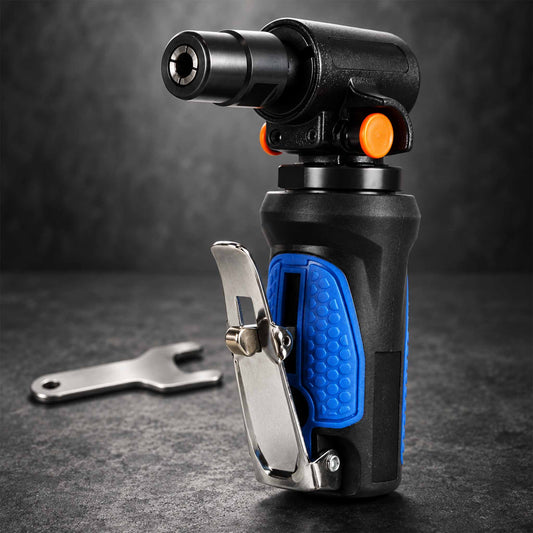
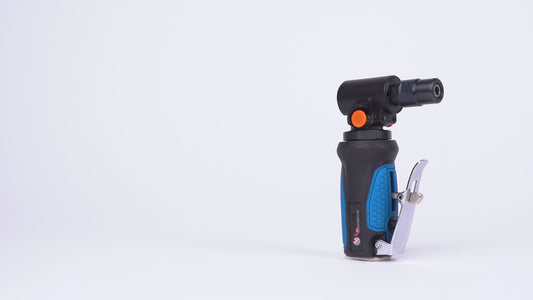




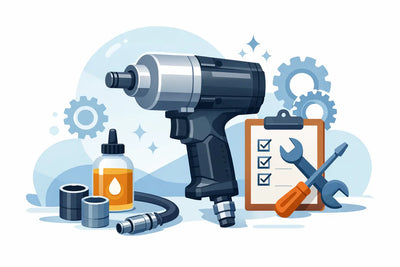
A weak compressor will make a good impact wrench feel broken. You pull the trigger, it hits hard for a second, then power falls off, the motor keeps running, and lug nuts that should come loose stay put.
If you're trying to figure out what size compressor for impact wrench use, the answer is not just "big enough." You need the right mix of CFM, PSI, tank capacity, and duty cycle for the kind of work you actually do. A setup that works for occasional tire rotation is not the same setup you want for suspension work, seized fasteners, or all-day shop use.
Start with airflow first. For impact wrenches, CFM matters more than tank size, and tank size matters more than peak horsepower claims.
Most 3/8-inch impact wrenches are comfortable with around 3 to 5 CFM at 90 PSI. Most 1/2-inch impacts, which are the most common for automotive work, usually need around 4 to 6.5 CFM at 90 PSI for realistic performance. Larger 3/4-inch and 1-inch impact wrenches can need 8 CFM, 10 CFM, or much more depending on the model.
That means a compressor for a casual-use 1/2-inch impact wrench should usually deliver at least 5 to 6 CFM at 90 PSI. If you want the tool to stay consistent under repeated use, moving up to 6.5 to 8 CFM gives you more breathing room.
A lot of buyers focus on maximum PSI because it is easy to spot on the label. That is not the number that tells you if the compressor can keep up. Your impact wrench typically operates around 90 PSI. What matters is whether the compressor can maintain enough airflow at that pressure while you are working.
Tank size affects how long you can use the impact before the compressor has to recover. CFM determines whether the compressor can actually feed the tool at the rate it consumes air.
A small compressor with a decent tank can still disappoint if its airflow is too low. It may give you a short burst of power, then drop off fast. On the other hand, a compressor with solid CFM and a moderate tank often feels much stronger in real use because it keeps the pressure up while the wrench is cycling.
This is where buyers get tripped up by pancake and hot dog compressors. Many of them are fine for nailers and inflation, but they fall short with impact tools. Even if the tank says 6 gallons, the airflow may only be around 2.5 to 3 CFM at 90 PSI. That is usually not enough for a 1/2-inch impact wrench unless your use is very light and very brief.
For occasional home garage work, a compressor in the 20 to 30 gallon range with about 5 to 6.5 CFM at 90 PSI is a workable starting point for a 1/2-inch impact wrench. This fits jobs like rotating tires, basic brake work, and removing moderately tight fasteners without constant frustration.
For more serious automotive use, a 30 to 60 gallon compressor with 6.5 to 8+ CFM at 90 PSI is a better fit. This gives you more consistent tool performance and less waiting for the pump to catch up. If you use other air tools too, this range makes even more sense because your compressor is not being asked to live at its limit.
For shop-duty or heavier impact wrenches, especially 3/4-inch models, step into the 60 gallon class or larger and pay close attention to delivered CFM. At that point, tank size helps, but airflow still decides how productive the setup will feel.
If you want a quick rule of thumb, match the compressor's delivered CFM at 90 PSI to at least 1.5 times the impact wrench's stated average air consumption. If the wrench calls for 5 CFM, look for something closer to 7.5 CFM if you want better consistency and less cycling.
For most home users, the sweet spot is a 1/2-inch impact wrench paired with a compressor that delivers at least 5 CFM at 90 PSI and has a tank around 20 gallons or more.
Could you run one on less? Sometimes, yes. If you only crack loose a few lug nuts at a time, a smaller unit may get by. But that is the difference between "it technically works" and "it works without slowing you down." If the compressor is undersized, you will hear it constantly running, pressure will sag, and tool torque will be inconsistent.
That matters more than many buyers expect. Impact wrenches do not just need air volume to spin. They need stable pressure and repeated airflow pulses to keep hammering effectively. When the compressor falls behind, the tool may still make noise without delivering the torque you bought it for.
Tank size is not the star of the show, but it still matters. A larger tank gives you a bigger reserve, which helps when you are using the impact in short bursts. That is why a 30 gallon compressor with modestly better airflow often feels much more capable than a tiny portable unit.
Recovery time is where frustration starts. If you remove five lug nuts and then wait for pressure to rebuild before moving on, the compressor is too small for the job you want it to do. If you are breaking loose rusted suspension hardware and the wrench fades after every few seconds, the setup is undersized.
For occasional jobs, some waiting is acceptable. For repeated wrenching, it gets old fast. Buying slightly above your minimum need usually saves money in the long run because you are less likely to replace the compressor after one season of real use.
A good compressor can still underperform if the air path is choking the tool.
Many impact wrench complaints come from restrictive fittings, a long undersized hose, or a regulator that is not set correctly. A 1/4-inch hose may be fine for light tools, but many 1/2-inch impacts perform better with a 3/8-inch air hose, especially if the run is long. High-flow couplers can also make a noticeable difference when you are asking the wrench to hit at full strength.
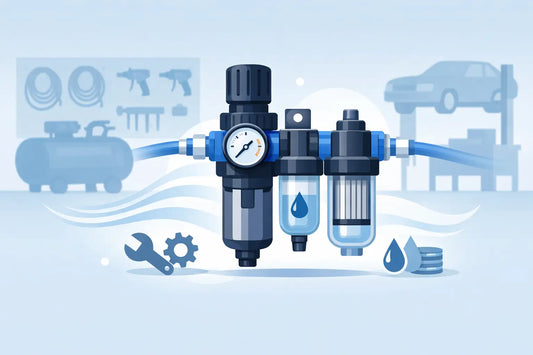
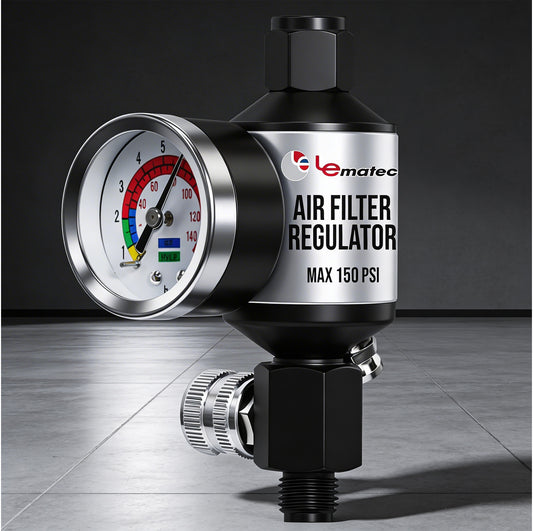
You also want clean, dry air and a regulator that can maintain pressure under load. If your setup includes filters and regulators, size them for airflow too. A restriction anywhere in the line costs tool performance.
The first mistake is buying off horsepower stickers instead of delivered CFM at 90 PSI. Marketing numbers do not remove lug nuts. Airflow does.
The second mistake is sizing the compressor to the bare minimum air requirement listed for the wrench. Those ratings are often average consumption, not peak demand during hard use. If you match the exact number, you may end up with a system that works only in ideal conditions.
The third mistake is forgetting your future tools. If you plan to add an air ratchet, grinder, sander, or cutoff tool, compressor demand goes up fast. Impacts are one thing. Continuous-run tools like grinders and sanders are much tougher on a compressor.
If you are running a 3/8-inch impact for lighter mechanical work, target 4 to 5 CFM at 90 PSI with at least a small portable or mid-size tank.
If you are running a 1/2-inch impact wrench, which covers most automotive buyers, target 5 to 6.5 CFM at 90 PSI as the practical minimum, with 20 to 30 gallons being a good entry point. If you want stronger day-to-day performance, move toward 6.5 to 8 CFM and a 30 to 60 gallon tank.
If you are using a 3/4-inch impact wrench for heavier service, start around 8 CFM at 90 PSI and expect to benefit from a larger stationary compressor.
If you are outfitting a garage and want fewer compromises, buy for the next step up rather than the exact minimum. That is usually the difference between a setup you tolerate and one you actually enjoy using.
At Pro Air Tools, that practical mindset is the right one for air systems in general. Reliable tool performance comes from sizing the whole setup correctly the first time, not from trying to squeeze heavy work out of a light-duty compressor.
Before you buy, check the impact wrench's required CFM at 90 PSI, then give yourself margin for real-world use, not just label specs. Your compressor should support the job without making you stop every few minutes. When the air supply is right, the tool hits harder, works faster, and makes the whole project easier.
Factory direct from Le Lematec — professional quality, competitive prices.


 AIR REGULATORS

 ACCESSORIES