Shopping Cart
(0)
Free shipping included — no minimum on any US order

Quick Search:

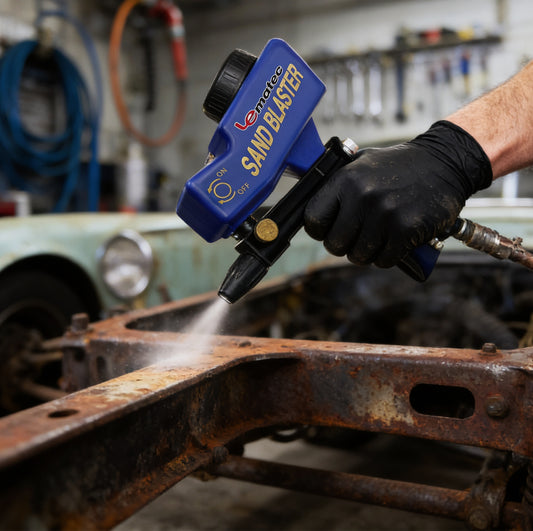
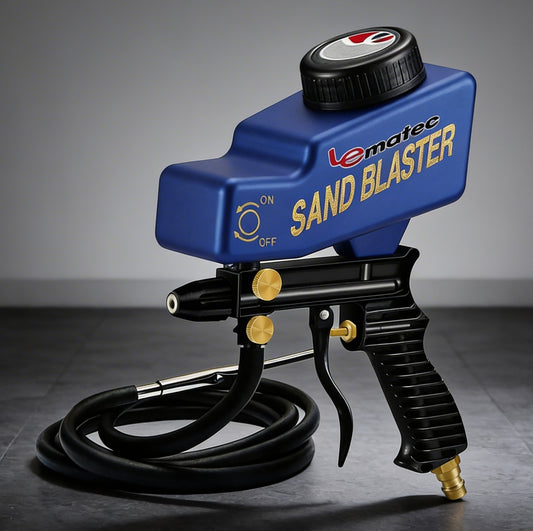
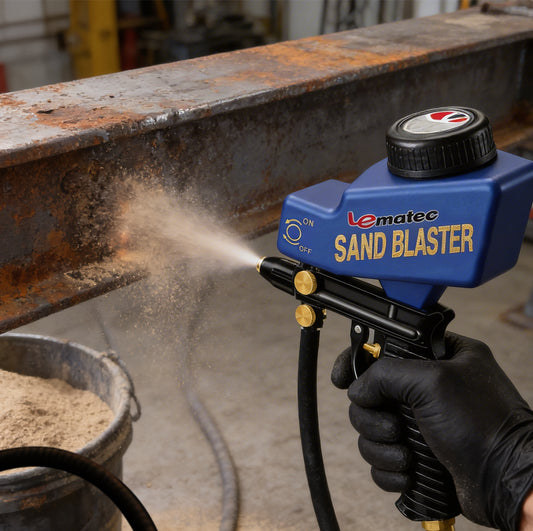
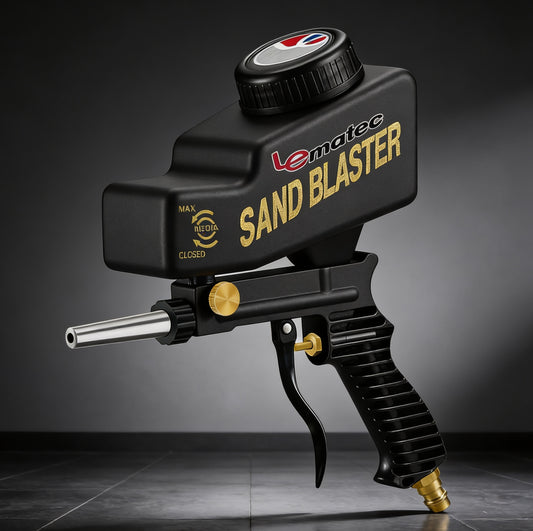

If your impact wrench feels weak one day and overaggressive the next, or your paint and blasting results keep changing for no clear reason, the problem often starts upstream. An air filter regulator is one of those small components that decides how well your whole pneumatic setup behaves, and when it is undersized, poorly placed, or ignored, every downstream tool pays for it.
For most shops and serious DIY garages, this is not an accessory purchase. It is a control point. The right unit helps keep water, scale, and compressor junk out of your tools while holding pressure where you actually need it. That means fewer headaches, more predictable performance, and less money wasted on worn-out air tools and ruined finishes.
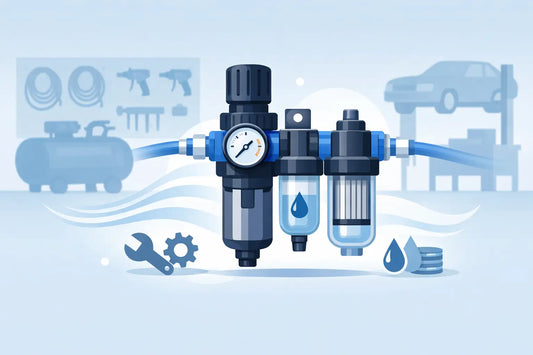
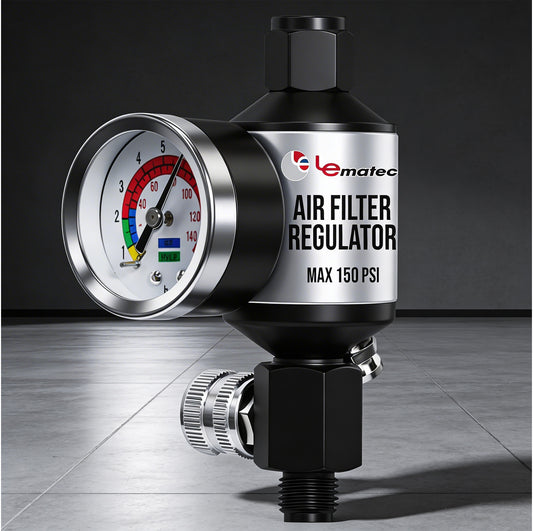
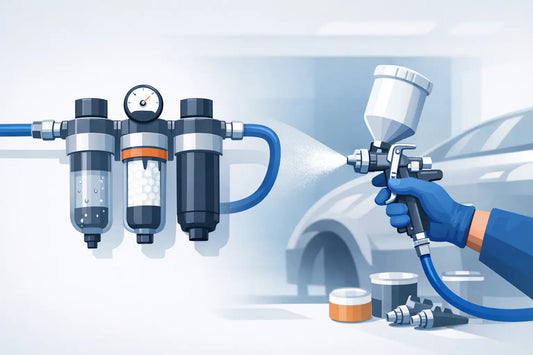
An air filter regulator handles two jobs at once. The filter side removes contaminants from compressed air, usually water droplets, pipe scale, and dirt. The regulator side reduces incoming pressure and holds it at a set level for the tool or process you are running.
That matters because compressed air is rarely clean or stable straight out of the tank. Compressors build heat, then that air cools in the tank and lines, which creates condensation. Older lines can shed rust or debris. Pressure can also fluctuate depending on compressor cycling, hose length, and how much air a tool is demanding. Without a filter and regulator in place, you are asking your tool to work with wet, dirty, inconsistent air.
In the real world, that shows up fast. Impacts hit inconsistently, die grinders feel uneven, sanders lose efficiency, and paint or blasting setups become harder to control. A lot of users blame the tool first. Often, the air supply is the real issue.
The biggest benefit is consistency. Pneumatic tools are designed to run within a pressure range, not at whatever the compressor happens to be delivering at that second. If pressure is too high, you get unnecessary wear, wasted air consumption, and sometimes unsafe operation. If it is too low, torque drops, speed falls off, and the tool feels lazy.
The filter side is just as important. Moisture is hard on internal tool components, especially in shops that run daily or in humid conditions. Water in the line can wash away lubrication, encourage corrosion, and create finish problems in paint prep and blasting work. Even if you are not doing precision finishing, contaminated air shortens service life.
There is a trade-off, though. Every filter and regulator introduces some pressure drop. A cheap or undersized unit can clean the air but still starve a high-demand tool. That is why buying by thread size alone is not enough.
Start with air demand, not just fitting size. Many buyers see 1/4-inch or 3/8-inch ports and assume that is the whole story. It is not. The more important number is flow capacity, usually listed in CFM. If you are feeding a tire inflator or air ratchet, your needs are modest. If you are running an angle grinder, dual-action sander, blast cabinet, or continuous-use setup, demand climbs quickly.
A regulator that works fine for short-burst tools can become a bottleneck for tools that draw air constantly. If your tool needs 8 to 12 CFM in real use, you want enough overhead so the regulator is not working at its limit all day. A little extra capacity helps maintain pressure under load.
For general automotive and garage use, a compact filter regulator often makes sense at the bench or near a work zone. It keeps pressure under control for common tools and helps catch moisture before it reaches the hose.
For blasting, paint prep, or any work where clean, dry air affects results, pay closer attention to filtration quality and bowl capacity. Those jobs expose weak air management fast. If the compressor produces a lot of moisture, a basic combo unit may not be enough by itself.
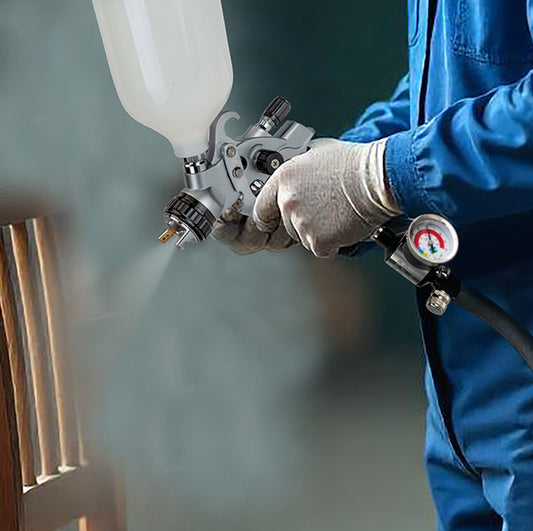
For shop-wide setups, placement matters as much as product choice. A point-of-use regulator near the tool gives better control than setting pressure once at the compressor and hoping it stays there through 50 feet of hose.
Filter elements are commonly rated in microns. Smaller micron ratings catch finer particles, but tighter filtration can also increase restriction if the unit is too small or poorly maintained. For general air tool protection, you want a balance between practical filtration and usable flow.
If your main concern is protecting impacts, ratchets, drills, and grinders, standard particulate and moisture removal is usually enough. If your work is more sensitive, such as finishing or detailed blasting prep, you may need a more complete air treatment setup beyond a single combo unit.
This is where a lot of performance problems start. Mounting a combo unit right at the compressor is convenient, but it is not always ideal. Hot compressed air coming directly off the tank can still carry moisture vapor that condenses later in the line. In that case, some water gets past the first filter and shows up closer to the tool.
A better approach in many shops is to let the air cool through some line length, then install the filter regulator where condensation has had a chance to form. For point-of-use control, adding one near the workstation makes pressure adjustment easier and more accurate.
There is no one perfect layout for every garage or shop. A small home setup may only need one good combo unit near the main hose reel. A busier shop may benefit from a main separator plus individual regulators at each work area.
If you have to keep turning pressure up just to get normal tool performance, something is off. The same goes for gauges that drift, bowls that fill with water too quickly, or tools that seem to change behavior mid-job.
Other common signs include slow recovery at the tool, moisture in hoses, visible dirt in the filter bowl, and regulators that creep above the set pressure. Regulator creep is a big one. If the set pressure rises on its own, the internal components may be worn or contaminated.
Sometimes the issue is not failure. It is simply mismatch. A compact unit feeding a high-demand grinder can look fine on paper but still choke performance in real use.
An air filter regulator does not need constant attention, but it does need some. Drain accumulated water before it becomes a problem. Check the bowl and element regularly, especially in humid environments or high-use shops. If the filter element is loaded up, flow drops. If the bowl is cracked or cloudy, replace it before it fails.
Also keep an eye on the gauge and pressure adjustment. If the knob becomes hard to turn or the reading does not respond smoothly, the regulator may be wearing out. At that point, replacing the unit is usually smarter than fighting unpredictable air delivery.
This is one of those low-cost maintenance items that protects much more expensive equipment. A worn regulator can waste hours in troubleshooting because it mimics tool problems, hose problems, and even compressor problems.
For many buyers, a single air filter regulator is the right answer. If you are running common pneumatic tools in a garage or small shop, it gives you the control and protection you need without overcomplicating the system.
But there are limits. If your compressor runs hot and wet, if your climate is humid, or if your work depends on very clean air, you may need more than one stage of treatment. A combo unit is great at managing typical contamination and pressure control. It is not a cure-all for every moisture issue in a demanding setup.
That is why buying cheap can backfire. The lowest-priced option may work for occasional use, but daily shop work usually justifies stepping up to a unit with better flow, better durability, and easier serviceability. Reliability matters more when downtime costs you actual work.
If you are upgrading your air system, treat the air filter regulator like part of tool performance, not an add-on. The right one helps every downstream tool work the way it should. And when your setup is dependable, the job moves faster, the finish comes out cleaner, and you spend less time chasing problems that were never the tool’s fault in the first place.
Factory direct from Le Lematec — professional quality, competitive prices.





 AIR REGULATORS

 ACCESSORIES