
Shopping Cart
(0)


 AIR REGULATORS

 ACCESSORIES

Best Blasting Media for Removing Paint
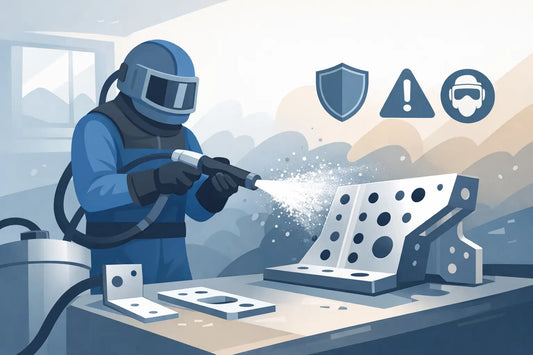
If paint is coming off too slowly, warping the panel, or leaving a rough profile you did not want, the problem usually is not the blaster. It is the media. The best results come from matching the abrasive to the surface, not grabbing whatever bag is closest to the cabinet.
For most paint removal jobs, there is no single best sandblasting media for paint removal across every material. Crushed glass is often the best all-around choice for steel and heavier parts. Aluminum oxide makes sense when you need aggressive cutting and a reusable media. Walnut shell and soda are better picks when the surface is softer or you need to avoid damage. Glass bead works when you want lighter cleaning and a smoother finish, but it is usually not the first choice for thick paint.
That is the short answer. The real answer depends on what you are stripping, how fast you need to work, and what finish you need when the paint is gone.
What actually makes blasting media "best" for paint removal?
Paint removal is a balance between cutting speed, surface impact, dust, and finish quality. If the media is too aggressive, it can distort sheet metal, pit soft materials, or leave a profile that creates extra prep work. If it is too mild, you waste air, time, and media while the coating hangs on.
The right media depends on four things. First is the substrate - steel, aluminum, fiberglass, wood, and cast parts all react differently. Second is coating thickness - old epoxy, powder coat, and multiple repaint layers take more bite than a single topcoat. Third is finish target - sometimes you want a profile for primer, and sometimes you want to clean a part without changing the base surface much. Fourth is your equipment - cabinet blasters, pressure pots, nozzle size, and available CFM all affect how a media performs in the real world.
That is why experienced users stop asking for the most aggressive option and start asking what gets the job done cleanly with the fewest problems.
Best sandblasting media for paint removal by job type
Crushed glass for general-purpose stripping
If you want one media that handles a wide range of painted metal parts well, crushed glass is hard to beat. It cuts fast, removes paint efficiently, and usually leaves a useful profile for primer or further coating. That makes it a strong fit for frames, brackets, steel wheels, equipment parts, and heavier automotive components.
Crushed glass is angular, so it bites into coatings better than rounder media. It is also commonly chosen by buyers who want strong performance without stepping up to a higher-cost reusable abrasive. The trade-off is surface profile. On thin or delicate material, it can be too aggressive if pressure is set too high or if you stay in one spot too long.
For many shops, this is the practical starting point. If the part is solid steel and the goal is fast paint removal, crushed glass usually earns its place.
Aluminum oxide for tougher coatings and repeat use
Aluminum oxide is a good choice when paint is stubborn, the substrate is durable, and you want a media that can be recycled through a cabinet system. It cuts hard and stays sharp longer than many expendable abrasives, which helps on thick coatings, industrial finishes, and rusted painted parts that need more than a light strip.
This is a strong option for cabinets where media recovery matters. It also makes sense when consistency matters from one batch of parts to the next. The caution is simple - it is aggressive. On thin sheet metal or softer materials, it can create more profile than you want and increase the risk of damage.
If speed and repeat use matter more than a delicate finish, aluminum oxide is one of the strongest performers available.
Soda for sensitive surfaces
Soda blasting is a different animal. It is much gentler than angular abrasives and works well when you need to remove paint without chewing into the base material. That makes it useful for thin sheet metal, softer substrates, and certain restoration work where preserving the underlying surface matters more than creating anchor profile.
Soda can remove paint effectively, especially lighter coatings, but it is not the fastest answer for every job. It also does not leave the same profile that helps primer bond, so follow-up prep may be needed depending on your coating system. Some users also like it because it tends to reduce heat buildup compared with harsher media, which matters on panels that can warp.
Use soda when surface protection is the priority. Skip it when you need aggressive cutting or a ready-to-prime profile.
Walnut shell for softer materials and controlled stripping
Walnut shell is another media that makes sense when aggression is the enemy. It is often used on wood, fiberglass, softer metals, and restoration parts where you want paint gone without grinding away the substrate. It can also work well when you need more control around contours, moldings, or parts that do not respond well to harder abrasives.
It is not the fastest media for thick industrial coatings. That is the trade-off. But on the right surface, that slower, gentler action is exactly the point. A media that strips more carefully can save a part that would be easy to ruin with something sharper.
For restoration and specialty prep, walnut shell deserves more attention than it usually gets.
Glass bead for lighter paint removal and finish-sensitive parts
Glass bead is better known for cleaning and peening than for heavy paint stripping, but it still has a place. Because it is round rather than sharp, it tends to clean with less cutting action and leaves a smoother finish. On lighter coatings or parts where finish quality matters, that can be useful.
The downside is speed. If the paint is thick or well bonded, glass bead can feel slow compared with crushed glass or aluminum oxide. That makes it a niche choice for paint removal, not the default pick. Still, for certain aluminum parts, trim pieces, and cabinet work where surface appearance matters, it can be the better fit.
How surface type changes your media choice
For steel parts, especially heavier ones, crushed glass and aluminum oxide are usually the first two to consider. They remove paint quickly and can leave a surface ready for primer. For automotive body panels, caution matters more. Thin steel can warp under too much pressure, excessive heat, or a media that is too aggressive, so soda or walnut shell may be the safer route.
For aluminum, the answer depends on thickness and finish requirements. Aluminum oxide may be too harsh for some parts, while glass bead or walnut shell can be more controlled. If you are working on fiberglass, softer media is usually the better move because aggressive abrasives can damage the surface fast. For wood, walnut shell is often the smarter choice because it strips without the same gouging risk you would get from harder media.
This is where many bad blasting jobs start. The user chooses media based on the paint alone and ignores the material underneath.
Pressure matters almost as much as media
A good media can still perform badly with the wrong setup. High pressure can make a moderate abrasive act far more aggressively than intended. Low pressure can make a strong abrasive feel ineffective and waste time. Nozzle size, moisture control, and air supply also affect consistency.
For paint removal, especially on thinner material, it is smart to test on a hidden area first and work from the least aggressive setup that still gets results. That approach saves parts, reduces cleanup, and usually lowers total media consumption. It also helps when you are using a pressure blaster and trying to keep production moving without overworking the surface.
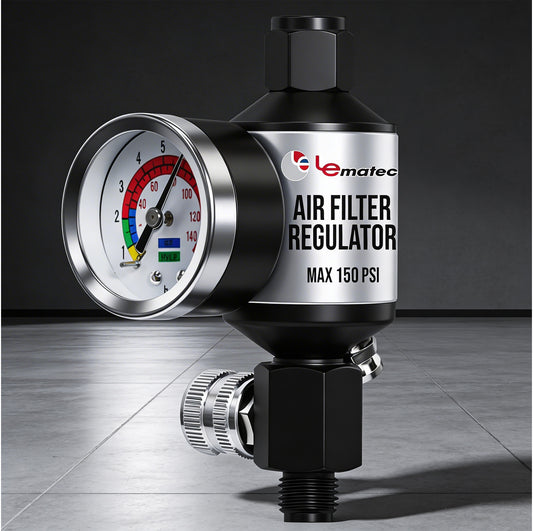
Clean, dry air matters too. Wet media flow causes clogging, uneven blasting, and lost time. If your stripping results are inconsistent, the issue may be your air system as much as the abrasive in the hopper.
So what is the best sandblasting media for paint removal?
If you want the most practical answer, here it is. Crushed glass is the best all-around media for paint removal on durable metal parts. It cuts fast, is widely useful, and gives most users the performance they want without overcomplicating the choice.
If you need a more aggressive, reusable option for cabinets and tougher coatings, aluminum oxide is often the better buy. If you are working on delicate panels, restoration pieces, or softer materials, soda and walnut shell are usually safer. If finish quality matters more than stripping speed, glass bead can make sense.
The best choice is not about picking the harshest media. It is about removing paint completely while leaving the part in good shape for what comes next.
At Pro Air Tools, that is the kind of decision that matters - getting the job done faster, with fewer do-overs, and with equipment and consumables you can count on.
Before you load the pot or cabinet, think past the coating. Match the media to the surface, your air system, and the finish you need after blasting. That extra minute upfront usually saves an hour later.
Shop Sandblaster Kits
Factory direct from Le Lematec — professional quality, competitive prices.
Tags:
Related articles
How to Set Air Tool PSI for Reliable Performance
Jul 25 2026
A Guide to Air Tool Maintenance Schedules
Jul 23 2026
How to Reduce Moisture in Blast Air Line
Jul 21 2026
How to Use a Pneumatic Angle Grinder Safely
Jul 19 2026
Best Air Blow Gun Attachments for Shop Work
Jul 18 2026
How to Choose a Pneumatic Sander for Bodywork
Jul 13 2026