Shopping Cart
(0)
Free shipping included — no minimum on any US order

Quick Search:
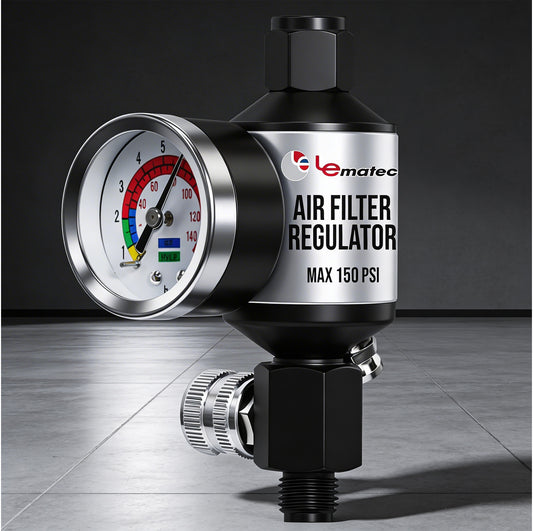
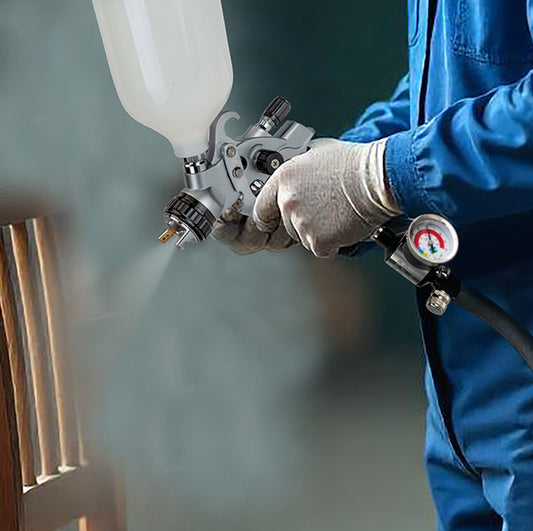
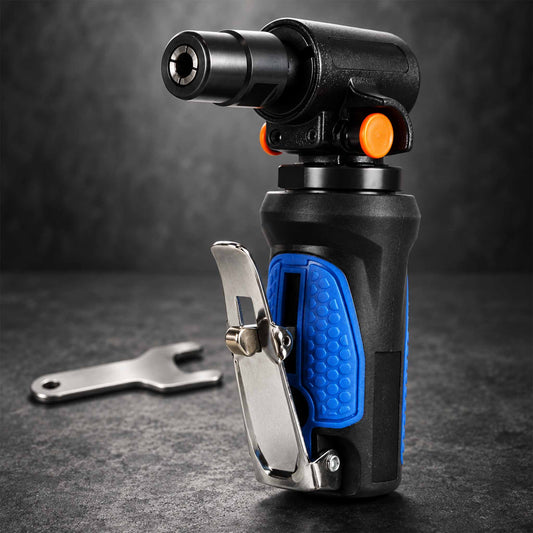


A compressor can show plenty of tank pressure and still leave an impact wrench weak, a paint finish contaminated, or a blast cabinet full of damp media. The problem is often not the tool or the compressor. It is the air treatment between them. This air regulator and filter selection guide helps you choose components that deliver clean, stable air without choking the flow your work requires.
For a home garage, a small fabrication shop, or a maintenance bay, the right setup depends on what is in the air, how much air the tool consumes, and how costly a pressure drop or moisture problem will be. Buying the smallest filter-regulator assembly because it has the right thread size is a common and expensive shortcut.
Size the regulator and filter around the highest-demand tool or process that will run through that branch. Look at the tool's required SCFM at its operating pressure, then allow a margin for hose loss, fittings, and normal filter restriction. A setup that barely meets a tool's published air requirement when the filter is new will struggle as the element loads with dirt and oil.
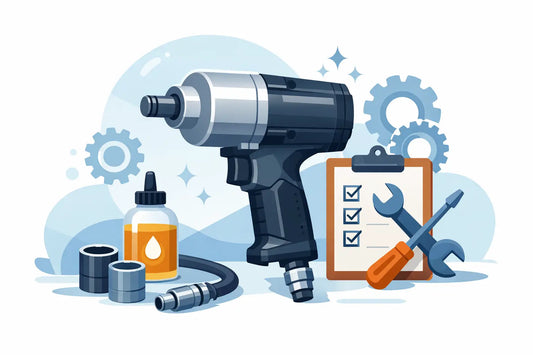
Continuous-use equipment deserves extra attention. A die grinder, dual-action sander, blast gun, and paint gun can consume air steadily for minutes at a time. An impact wrench may have a high stated CFM requirement but is normally used in short bursts. That does not make impact tools unimportant, but it changes how much sustained flow the system needs.
Do not use compressor tank size as your sizing number. Tank capacity affects how long the compressor can supply stored air before cycling, while SCFM tells you what it can actually produce. Also check the compressor's delivered SCFM at the pressure you use, not just the highest number printed on the box.
A practical target is to choose a filter and regulator with a rated flow comfortably above the air demand of the tool. If you run several tools at one station or plan to expand later, size for the realistic combined load. Oversizing slightly usually costs less than losing time to slow tools, uneven blasting, or repeated pressure adjustments.
Air from a compressor can carry rust flakes, pipe scale, dust, liquid water, water vapor, and oil aerosol. One filter does not solve every contamination problem. The right level of filtration depends on the job at the end of the line.
For general pneumatic tools such as ratchets, impact wrenches, air hammers, and tire inflators, a standard particulate and water-separating filter is usually the right starting point. It protects tools from debris and removes bulk liquid water before it reaches the regulator and hose. A filter in the 5-micron range is a common choice for general shop air, while a coarser prefilter may be used ahead of a finer element where dirt loading is heavy.
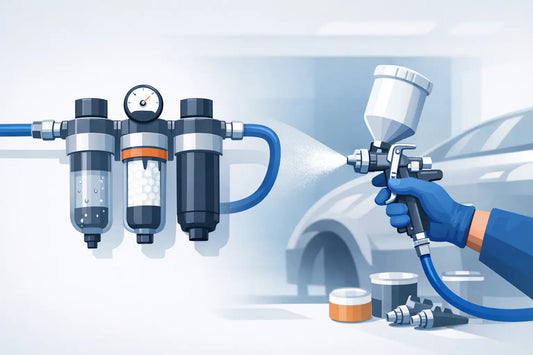
For paint preparation and spray work, clean dry air is less forgiving. Water and oil can show up as fisheyes, blushing, adhesion problems, and defects that force rework. A staged setup works better than asking one small filter to do everything: use a water separator first, then a fine coalescing filter for oil aerosols. Where humidity is high or the finish requirement is critical, add a desiccant dryer near the point of use. A coalescing filter removes liquid aerosol, but it does not remove all water vapor.
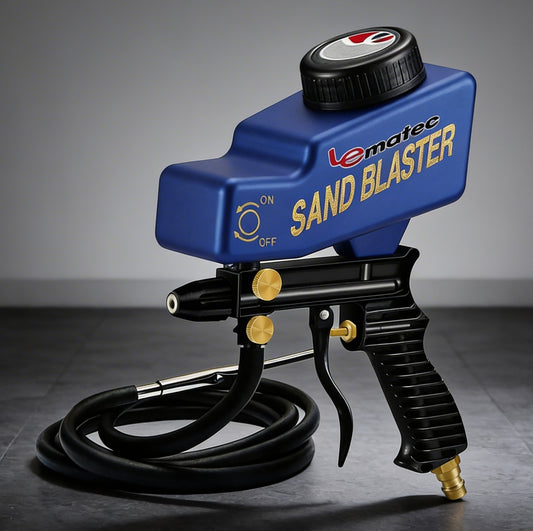
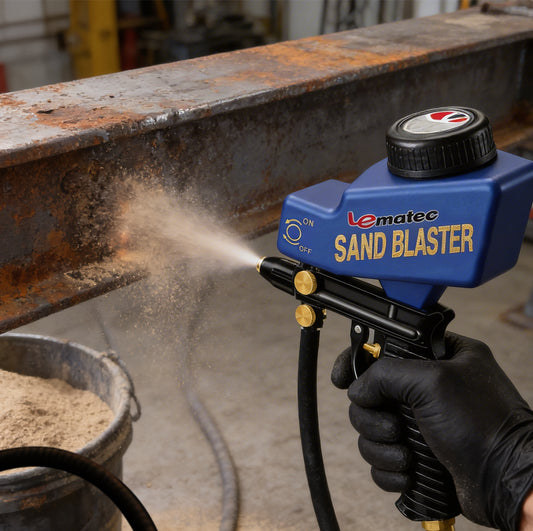
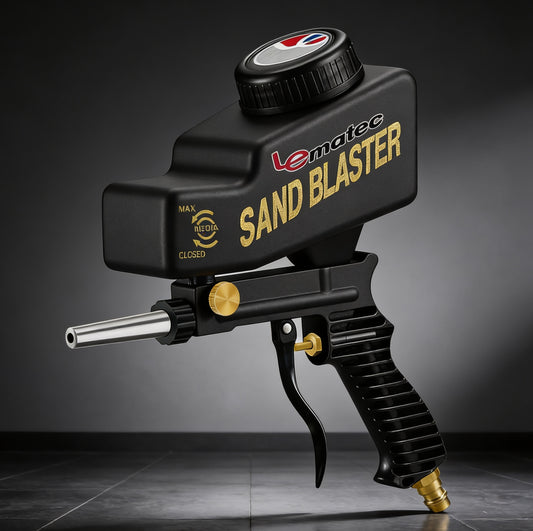
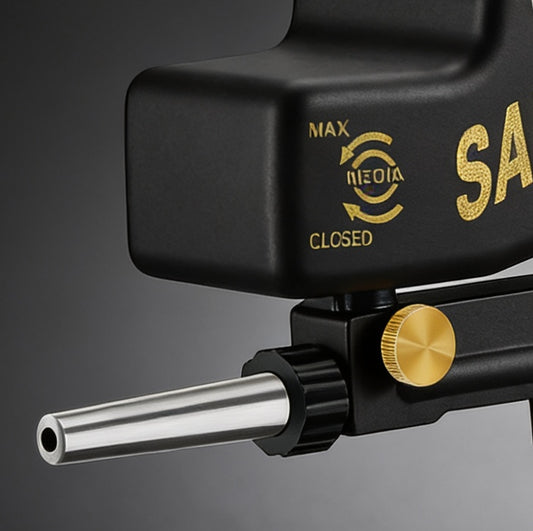
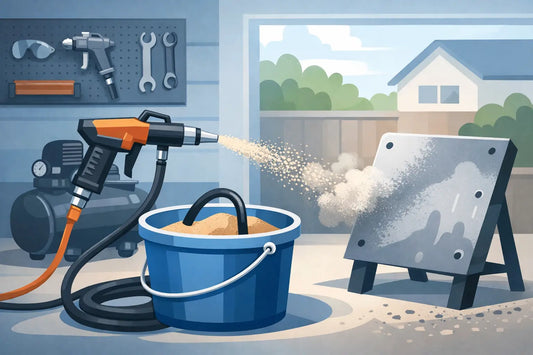
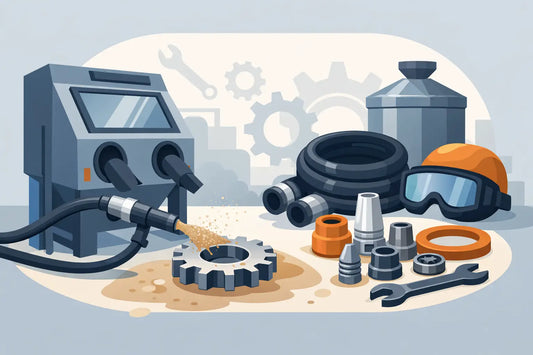
Sandblasting requires dry air for a different reason. Moisture can make abrasive media clump, restrict flow through the pickup tube or metering valve, and cause inconsistent cutting. A good water separator located after the compressor and additional drying before the blast cabinet can save media, protect the equipment, and keep the work moving. For long blast sessions, the compressor itself may need a larger drying solution rather than just a small bowl filter at the cabinet.
If your compressor is oil-lubricated, assume oil control matters when you are running paint, sensitive assemblies, or clean finishing work. A basic moisture trap is not a substitute for a coalescing filter. On the other hand, installing ultra-fine filtration on every general-purpose air line can add cost and restriction without improving the result. Match the filtration level to the risk.
A lower micron rating captures smaller particles, but finer elements generally create more pressure drop as they collect contamination. That is the trade-off. Filter manufacturers may publish a flow rating at a specific inlet pressure and a specific pressure drop, so compare the conditions instead of comparing only the largest number.
A large-bowl filter with a properly sized element may outperform a compact unit with the same port size. Bowl capacity matters too. In humid conditions, a small bowl can fill quickly and pass water downstream if it is not drained. For hard-working shops, an automatic drain reduces the chance that maintenance gets skipped.
A regulator does more than lower pressure. Its job is to hold a usable outlet pressure while air demand changes. If outlet pressure drops sharply every time you pull the trigger, the tool loses torque, speed, or consistency.
Set the regulator based on the tool manufacturer's recommended operating pressure at the tool inlet. A tool rated for 90 PSI should receive 90 PSI while it is flowing air, not only when the trigger is released. Static gauge pressure can look perfect while dynamic pressure at the tool is far too low because of undersized filters, restrictive couplers, small hose, or long runs.
Check the regulator's pressure range before buying. A general shop regulator commonly covers the range needed for most air tools, but a low-pressure paint application may need finer adjustment and a more sensitive gauge. A high-flow blast setup needs a regulator designed to pass substantial air volume without excessive pressure loss.
Relieving regulators are a practical choice for many shop setups. When you reduce the setting, they can vent downstream excess pressure so the gauge drops to the new setpoint. Non-relieving regulators hold that pressure until downstream air is used or vented. Either style can be appropriate, but know which behavior your system needs.
Do not judge capacity by port size alone. A 1/4-inch NPT regulator may be fine for a nailer or air ratchet, yet be a poor match for a high-CFM sander or blast cabinet. Larger ports often support more flow, but internal passage design, element condition, couplers, and hose inside diameter still determine real performance.
The best filter-regulator combination can be defeated by poor placement. Put the first water separator downstream of the compressor after the air has a chance to cool. Hot compressed air holds more moisture as vapor, so a separator mounted immediately at a hot compressor outlet may not catch much water. A length of metal pipe, a cooling loop, or a properly designed dryer gives moisture a chance to condense before separation.
Install the unit upright, with the bowl downward, and leave enough room to inspect the element and drain the bowl. Follow the airflow arrow on the housing. Keep it accessible. A filter hidden behind a compressor or workbench is a filter that will not be serviced on schedule.
Point-of-use regulation is often the cleanest approach when one compressor supports different jobs. You may want a higher-pressure, high-flow branch for an impact tool or blast cabinet and a separate controlled line for paint equipment. This prevents one adjustment from changing the pressure for the whole shop.
Use a hose size that supports the application. A long, narrow hose can create enough pressure loss to make a correctly selected regulator look undersized. For high-demand tools, reduce unnecessary quick-connect fittings, avoid damaged hose, and keep the run as short as the work allows.
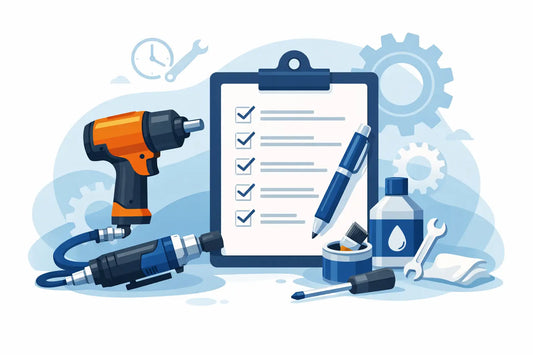
Before ordering, confirm these five details:
Replace filter elements when pressure drop increases, the element reaches its service interval, or contamination gets through. Drain bowls regularly, inspect gauges for damage, and check for leaks at fittings. These are simple tasks, but they protect the tools you depend on and prevent avoidable finish or blasting problems.
Choose air treatment as part of the tool system, not as an afterthought. A properly sized regulator and filter helps the compressor, hose, and pneumatic tool perform as one working setup, giving you steadier results and fewer interruptions when the job is already underway.




 AIR REGULATORS

 ACCESSORIES