Shopping Cart
(0)
Free shipping included — no minimum on any US order

Quick Search:




A pneumatic impact wrench that starts hitting weak, bogging down, or spitting moisture is usually not worn out. More often, it is being fed dirty air, run too dry, or stored with moisture inside. These pneumatic impact wrench maintenance tips focus on the few habits that protect torque, reduce downtime, and help your tool earn its keep on every wheel, bracket, suspension, or fabrication job.
Your impact wrench is only as reliable as the air supply behind it. Moisture, rust flakes, compressor oil carryover, and debris travel through the hose and into the motor. Once inside, they can score vanes, gum up the trigger valve, corrode internal parts, and reduce the tool's ability to produce rated torque.
Drain the compressor tank regularly, especially in humid weather or after a long day of use. A tank full of condensation sends that water straight through the system when air demand increases. If your shop uses an impact wrench often, a drain valve you can reach easily makes this simple enough to become routine.
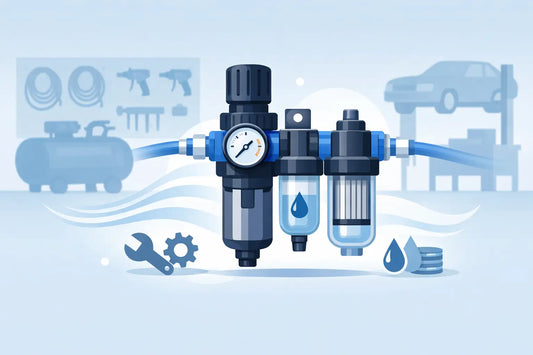
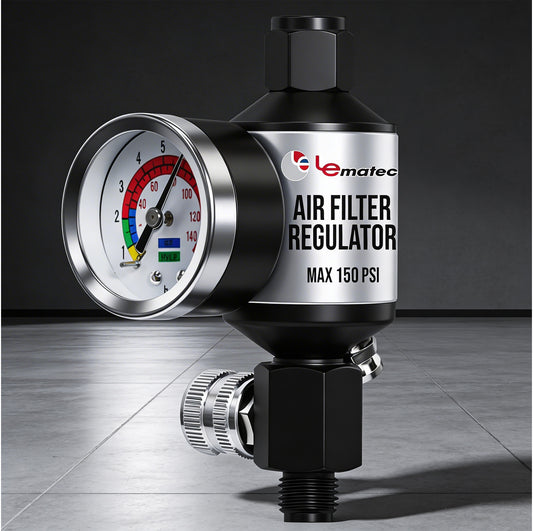
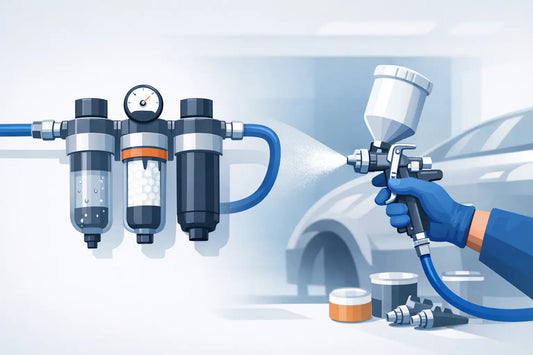
An air filter and water separator placed near the point of use provide another layer of protection. For a garage tool used occasionally, a basic filter-regulator may be enough. For a shop running air tools every day, better moisture control is worth the cost because it protects every tool connected to the line, not just the impact.
Set pressure according to the tool manufacturer's specification. More PSI does not automatically mean more useful torque. Excess pressure can increase wear, stress internal parts, and make the tool harder to control. Low pressure, on the other hand, leaves power on the table and can make a healthy impact wrench seem defective.
Most pneumatic impact wrenches need regular air-tool oil. The motor relies on a light oil film to keep the vanes moving freely and to limit internal wear. Running a tool dry may not cause an immediate failure, but it steadily cuts into performance and service life.
Before use, add a few drops of approved pneumatic tool oil into the air inlet. Reconnect the hose, then run the wrench briefly without a socket pointed away from people and work surfaces. This distributes oil through the motor rather than letting it sit in one spot.
How often you oil the tool depends on how it is used. A wrench used all day should be lubricated at the beginning of the shift and again during extended work. A home-garage tool should get oil before use and before it goes back into storage. The goal is consistent lubrication, not flooding the tool.
Avoid motor oil, penetrating oil, brake fluid, and thick general-purpose lubricants. They are not substitutes for air-tool oil. Some can leave residue, attack seals, or fail to lubricate correctly at air-motor speeds. If you use an in-line lubricator, check its setting regularly. Too little oil does not protect the tool; too much sends unnecessary mist into the work area and can cause problems around paint, coatings, or sensitive assemblies.
A major air leak can make an impact wrench feel weak even when the tool itself is in good shape. Inspect the air hose for cuts, soft spots, crushed sections, and loose ends. Check fittings and quick-connect couplers for damage or leaks. A worn coupler may restrict airflow even if it still snaps into place.
Hose size matters as well. A long, narrow hose can starve a high-torque impact wrench during demanding work. For stubborn lug nuts or large fasteners, use a hose with enough inside diameter and keep unnecessary extensions out of the setup. The compressor may show adequate pressure on its gauge while the tool receives far less pressure under load.
Listen for hissing at the regulator, couplers, hose ends, and tool inlet. A small leak may seem harmless, but multiple leaks force the compressor to cycle more often and reduce available air volume when you need it most. Replace damaged fittings instead of trying to keep worn connections in service.
The square drive anvil takes repeated shock loads, so it deserves a quick inspection before problems turn into a broken socket or a damaged retaining system. Remove the socket and wipe away dirt, old grease, and metal dust from the anvil. Check the retaining ring, pin, or detent ball to make sure sockets lock on securely.
Use impact-rated sockets only. Chrome hand-tool sockets can crack or shatter under impact loads, creating a serious safety risk. Inspect sockets for rounded drive ends, hairline cracks, and distorted openings. A loose or damaged socket transfers force poorly and increases the chance of rounding a fastener.
Do not pack the anvil with heavy grease unless the manufacturer specifically calls for it. Thick grease attracts grit and can interfere with socket retention. A clean connection and sound retaining ring are usually what the tool needs.
A fast daily check prevents most avoidable interruptions. Before starting work, take a minute to confirm that the air system is dry, the hose is undamaged, and the wrench has been lubricated. After a hard job, listen to the tool as it runs free. Changes in sound often show up before a complete loss of power.
Watch for these signs that your impact wrench needs attention:
Maintenance is not only about oil and filters. Operating habits directly affect lifespan. Let the impact mechanism do the work instead of holding the trigger for long bursts after a fastener has already stopped moving. Extended hammering builds heat and puts unnecessary stress on the tool, socket, fastener, and your wrist.
Use the correct torque setting when your wrench has adjustable power. High power is useful for removal of seized or heavily torqued fasteners, but it is rarely the right choice for starting threads or tightening critical hardware. An impact wrench is excellent for running fasteners down, but a calibrated torque wrench should handle final torque where specifications matter, including wheel lugs, engine work, and suspension components.
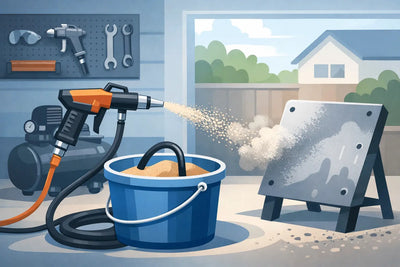
Keep the exhaust pointed away from dust, blasting media, and wet work areas. Pneumatic tools pull in shop air, so using one next to airborne grit or overspray increases the chance of contamination. In fabrication and sandblasting areas, give the tool a cleaner place to rest between tasks rather than leaving it on the floor or bench beside media residue.
At the end of the day, disconnect the air hose and add a few drops of air-tool oil to the inlet. Run the wrench briefly to coat internal parts, then wipe down the outside. This is especially useful before storing the tool for weeks, because the oil helps protect bare internal surfaces from corrosion.
Store the impact wrench in a dry cabinet, drawer, or case where it will not collect grinding dust, moisture, or blasting media. Do not hang it from the hose or leave it connected to a pressurized line. Hoses pull on fittings, and an accidental trigger bump can create an unnecessary safety problem.
If your shop sees seasonal humidity swings, inspect stored tools before putting them back to work. A quick oiling, air-supply check, and test run can catch moisture-related issues before a time-sensitive repair starts.
A reliable impact wrench should feel predictable: strong hits, a responsive trigger, secure sockets, and no surprise air leaks. Give it clean air, the right oil, and a few minutes of routine attention, and it will stay ready when the next stubborn fastener refuses to move. When replacement parts or a backup tool are needed, Pro Air Tools keeps the buying side straightforward with fast shipping and a 36-month warranty.





 AIR REGULATORS

 ACCESSORIES