


 AIR REGULATORS

 ACCESSORIES

10 Best Air Tools for Auto Repair
A lug nut that refuses to move, a rusted exhaust clamp, a seized brake caliper bolt - this is where the best air tools for auto repair earn their keep. In a home garage or a busy small shop, pneumatic tools still make sense for one simple reason: they deliver repeatable power without asking you to wait on batteries or baby electronics around dust, heat, and metal debris.
That does not mean every air tool belongs in every bay. Some tools save time on almost every job. Others are specialty picks that pay off only if you do the work often enough. If you're building out an air-powered setup for automotive work, the smart move is to start with the tools that cut labor, reduce frustration, and hold up under regular use.
The best air tools for auto repair start with the jobs you do most
If you mainly handle tire rotation, suspension work, brake jobs, and basic teardown, your priority list will look different from a body tech doing surface prep and panel cleanup. The right kit depends on your workflow, your compressor output, and whether you value raw power, compact size, or fine control.
For most automotive users, the core lineup starts with an impact wrench, air ratchet, die grinder, air hammer, and tire inflator. From there, you add tools like a cut-off tool, angle grinder, or belt sander based on the kind of repair work you actually take on. Buying around real tasks beats buying around specs alone.
Impact wrench
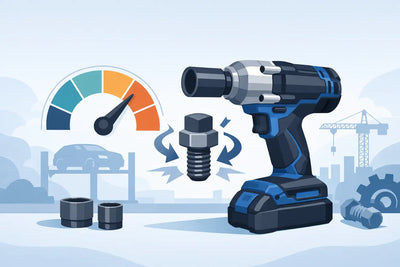
If you buy one pneumatic tool for automotive work, make it an impact wrench. This is the workhorse for lug nuts, suspension hardware, axle nuts, and stubborn fasteners that waste too much time with hand tools. A good 1/2-inch impact covers the broadest range of repair jobs, while a 3/8-inch model can be useful when space matters more than brute force.
Torque numbers matter, but not in isolation. A tool with strong breakaway torque is useful, but balance, trigger control, and weight matter too when you're working for hours. An oversized impact can be tiring and clumsy in tighter spaces. A compact impact with solid torque often gets used more because it fits where the job happens.
Air demand is the trade-off. Impacts can drain a smaller compressor fast, especially if you're leaning on them continuously. If your compressor is modest, look for a model that delivers strong real-world performance without requiring more air than your setup can sustain.
Air ratchet
An air ratchet is not a substitute for an impact wrench. It is a speed tool. Once a bolt is broken loose, an air ratchet saves time on valve covers, water pumps, brackets, interior fasteners, and smaller engine bay work where spinning hardware out quickly matters more than maximum torque.
This is one of the easiest tools to underestimate until you use one regularly. It reduces wrist strain and keeps jobs moving, especially on repetitive disassembly. The catch is that air ratchets can encourage overconfidence. They are great for running fasteners in and out, but final tightening still needs proper torque control.
For auto repair, a 3/8-inch air ratchet usually makes the most sense. It is versatile enough for general mechanical work without feeling too bulky in tighter spots.
Die grinder
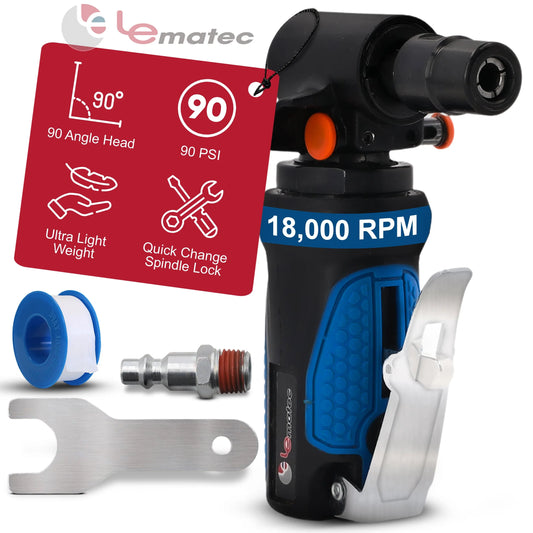
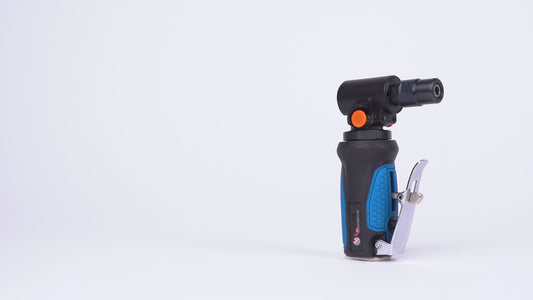
When corrosion, gasket material, weld cleanup, or surface prep gets in the way, a die grinder becomes essential. Straight and angled versions both have a place in automotive work. Straight grinders are useful for direct-access cleanup, while angled models help when clearance is limited.
This is one of the best air tools for auto repair because it handles the work that slows everything else down. Cleaning gasket surfaces, smoothing metal edges, deburring brackets, and removing rust in confined areas all go faster with the right carbide burr, abrasive roll, or surface prep attachment.
The trade-off is control. A die grinder spins fast, and a cheap or poorly balanced tool can feel harsh in the hand. Good throttle response and manageable vibration make a real difference, especially on detail work where you cannot afford to gouge a sealing surface.
Air hammer
Few tools are as effective on stuck components as an air hammer. For separating ball joints, driving out stubborn pins, loosening rust-frozen exhaust parts, and persuading seized metal to move, it saves both time and patience.
It is not a finesse tool by default, though technique matters. Used carelessly, an air hammer can damage surrounding parts or turn a straightforward repair into extra cleanup. Used correctly, it is one of the fastest ways to deal with corrosion and mechanical lockup.
If you work in rust belt conditions, this tool moves higher up the priority list. In cleaner climates, it may not get daily use, but when you need it, you really need it.
Tire inflator
Not every essential shop tool is dramatic. A reliable tire inflator with an easy-to-read gauge matters for final delivery, diagnostics, seasonal tire service, and routine maintenance. Accuracy counts more than hype here.
For auto repair, you want fast readings, durable hose connections, and a chuck that seals well without fighting you. If you regularly service multiple vehicles, comfort and ease of use matter more than people expect. A frustrating inflator wastes time one tire at a time.
Cut-off tool
Exhaust bolts, rusted clamps, seized sheet metal fasteners, and damaged brackets do not always come apart cleanly. Sometimes the fastest repair is cutting the problem out and moving on. An air cut-off tool earns its place in those moments.
This tool is especially useful for exhaust and body-related repair work. It gives you more precision than a larger grinder in tighter areas, and it is often easier to control when you need a clean, deliberate cut. The limit is depth and wheel size. It is not the tool for every cutting job, but it is often the right one in automotive spaces where room is tight.
Angle grinder
For heavier grinding, rust removal, weld cleanup, and broader metal prep, an air angle grinder offers more authority than a die grinder. In automotive work, that can mean cleaning frames, prepping surfaces for repair, or dealing with thicker material where smaller tools are too slow.
This tool makes sense if your work extends beyond basic mechanical service into fabrication, body repair, or restoration. If you mostly handle brakes and bolt-on parts, it may be a secondary purchase. If you regularly fight corrosion or modify metal, it becomes much more valuable.
Belt sander
An air belt sander is one of those tools that pays off for specific repair work. It shines in tight areas where you need controlled material removal, especially around welds, brackets, flanges, and body repair prep.
For general mechanical work, it is not a first-buy tool. For restoration, fabrication, and detail finishing, it can be a real time saver. It is all about the type of jobs coming through your garage.
Air drill
Air drills do not get the same attention as impacts and grinders, but they remain useful in repair settings where compact size, steady speed, and durability matter. They are handy for drilling spot welds, running wire brushes, or working in environments where you prefer simple pneumatic reliability over cordless electronics.
The case for an air drill is strongest if you already run a compressor daily and want dependable performance without battery management. If drilling is occasional, it may not be a priority. If your workflow includes bodywork, fabrication, or repeated accessory mounting, it becomes more practical.
What makes an air tool worth buying
Durability is the first filter. In automotive work, tools get dropped, exposed to grime, and used hard. A lower price means nothing if the tool loses power, leaks air, or fails under normal shop use. Warranty matters for the same reason. Clear coverage reduces risk, especially when you buy online.
Air efficiency is next. A great tool that outpaces your compressor is a bad match. Check CFM requirements against your compressor's real output, not just the tank size. This is where buyers get disappointed - the problem is not always the tool, but the mismatch.
Comfort matters more than people admit. Trigger feel, weight, grip shape, and vibration all affect whether a tool helps or annoys you over a long day. The best-performing tool on paper is not always the one you will reach for most.
Building a smart auto repair air tool setup
If you are starting from scratch, buy in order of job impact. Start with a 1/2-inch impact wrench and a tire inflator. Add a 3/8-inch air ratchet for speed, then a die grinder and air hammer for the ugly work that slows repairs down. After that, expand into a cut-off tool, angle grinder, belt sander, or air drill based on the repairs you do most.
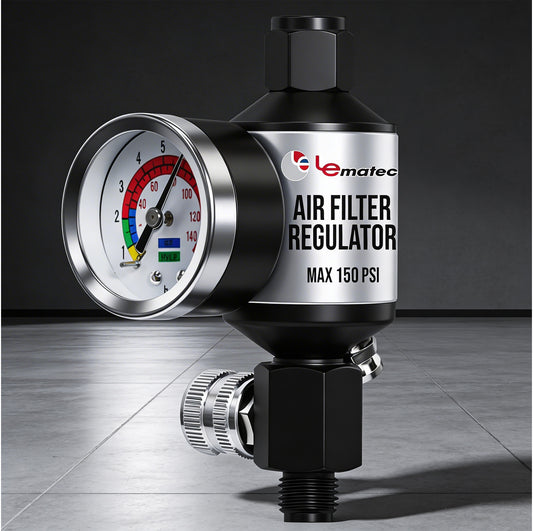
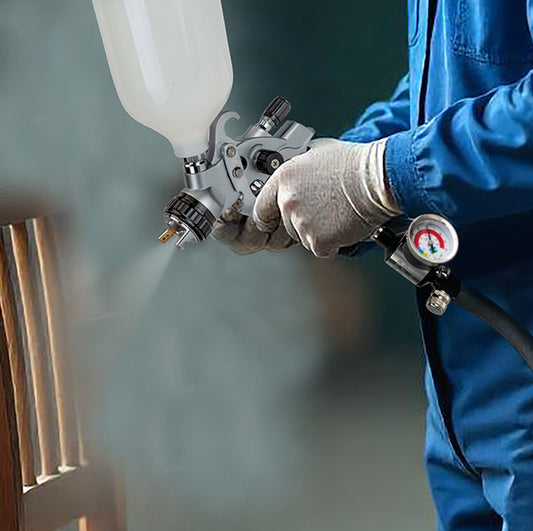
It also pays to support your tools properly. Regulators, filters, and clean dry air affect performance and service life more than many buyers realize. A strong tool fed with dirty wet air will not stay strong for long.
If you're buying for uptime and not just shelf appeal, shop with a supplier that treats speed and warranty like part of the product. At Pro Air Tools, that means practical coverage with a free 36-month warranty, fast fulfillment with orders shipping out in 1-day, and factory-direct value that makes it easier to build a setup you will actually use.
The right air tools do more than save minutes. They keep jobs moving, reduce rework, and make the hard parts of auto repair a lot less hard.
Tags:
Previous
Blast Cabinet Basics for Cleaner Results
Next
How to Set Up an Air Compressor Filter, Regulator & Lubricator (FRL) System
Related articles
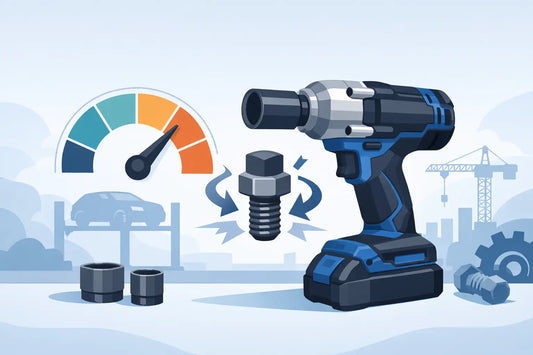
High Torque Impact Wrench: How Much Is Enough?
Jun 03 2026
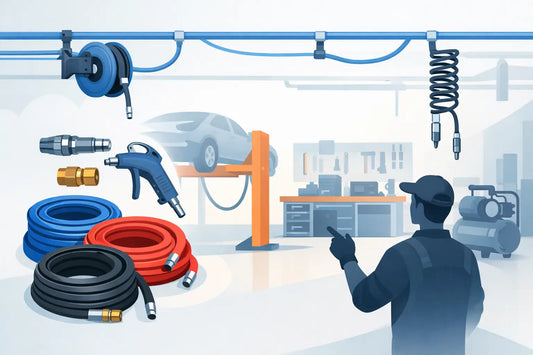
Choosing Air Hose for Shop Layout
Jun 01 2026

How to Set Air Regulator Pressure Right
May 30 2026
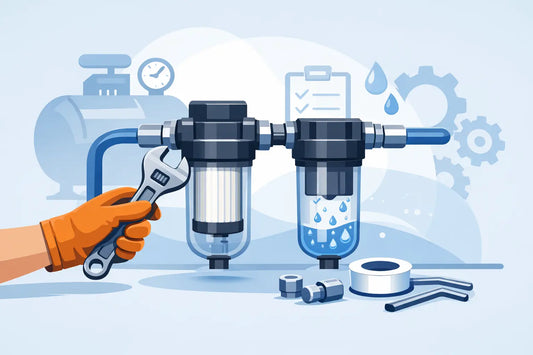
Air Filter Water Separator Installation Tips
May 28 2026
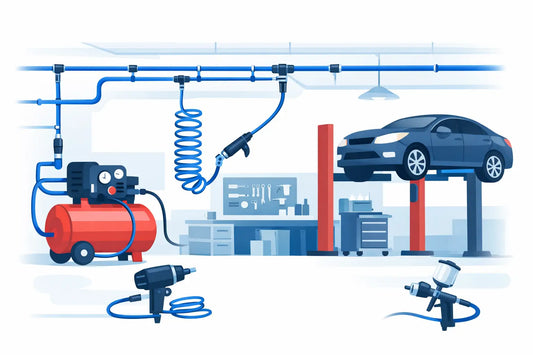
Guide to Shop Air Line Layout That Works
May 26 2026
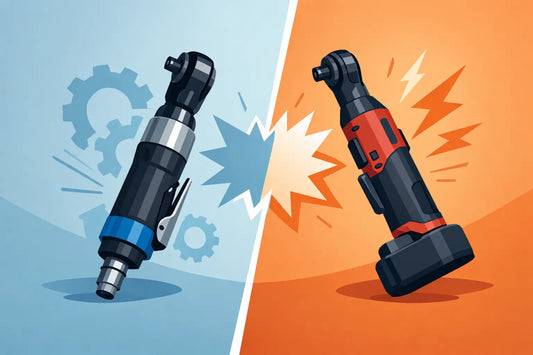
Air Ratchet vs Electric Ratchet
May 24 2026