Shopping Cart
(0)
Free shipping included — no minimum on any US order

Quick Search:


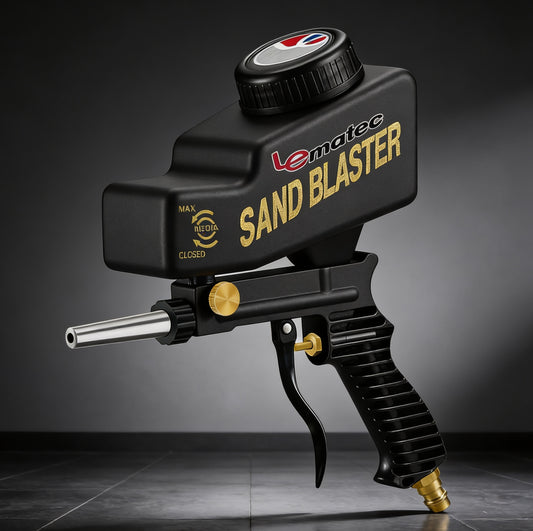
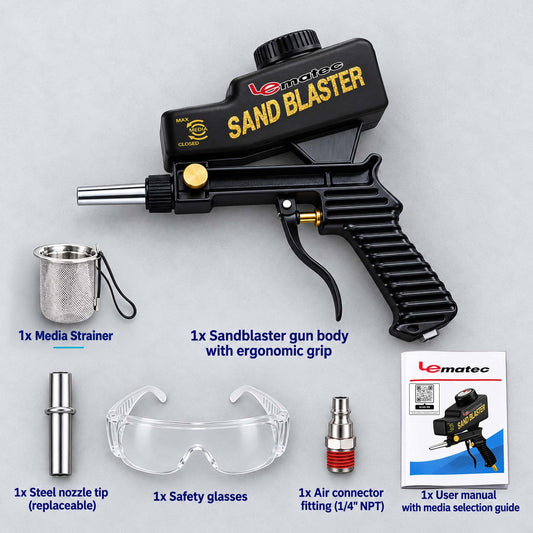

A part that looks clean can still be loaded with rust scale, old paint, oxidation, or grime in the corners. That is where a blast cabinet earns its keep. If you want faster surface prep, better visibility, and less mess than open blasting, a cabinet gives you a controlled way to strip, clean, and texture parts without turning the whole shop into a cleanup job.
For automotive work, fabrication, maintenance, and serious DIY projects, that control matters. You get a contained workspace, recoverable media, and a more predictable finish. The result is less wasted abrasive, less time chasing dust, and more consistency from one part to the next.
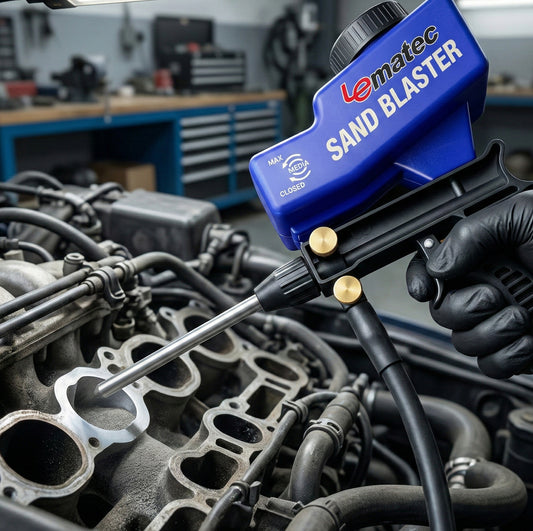
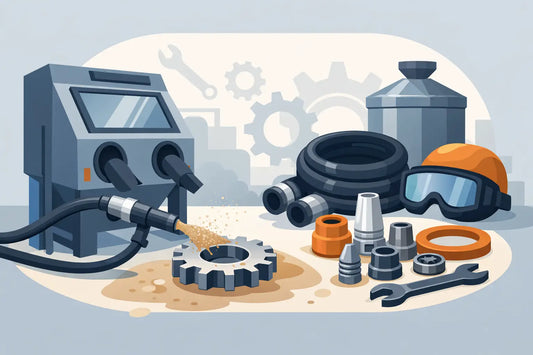
A blast cabinet is built for contained abrasive blasting. You place the part inside, close the door, and use built-in gloves and a blast gun to direct media at the surface. A viewing window lets you see the work, while the cabinet keeps most of the media and debris inside instead of all over your floor, bench, and nearby tools.
That makes it a strong fit for brackets, valve covers, wheels, calipers, hardware, small weldments, hand tools, and batches of parts that need repeatable cleaning. If you are stripping paint from a body panel or cleaning a large frame, a cabinet is usually not the right tool. But for parts that fit inside the enclosure, it is one of the most practical ways to prep metal before coating, welding, or reassembly.
The biggest advantage is control. Open blasting has its place, especially on oversized pieces, but it burns through media faster and creates more cleanup. A cabinet lets you work in a tighter pattern, reclaim media more easily, and maintain a cleaner work area. That usually translates to lower consumable waste and better visibility during the job.
If your work is mostly bench-sized parts, a blast cabinet is usually the better buy. It is easier on shop cleanliness, easier on media consumption, and easier to repeat results when you are processing similar parts. Small shops especially benefit because floor space and cleanup time are real costs.
It also makes sense when finish quality matters. If you are prepping parts for powder coating, paint, or gasket surfaces, consistency matters more than brute-force speed. A cabinet helps you hold a steady angle, stay on target, and avoid blasting everything around the part.
That said, cabinets are not magic. If your air supply is undersized, performance will feel slow no matter how good the cabinet is. And if you are trying to cram awkward or oversized pieces into a cabinet, access becomes the limiting factor. The best setup depends on your part size, your compressor output, and how often you blast.
Not every cabinet delivers the same day-to-day performance. The basics matter more than flashy specs.
Start with the largest parts you actually blast, not the largest parts you might blast once a year. Internal dimensions, door opening size, and how easily you can rotate a part inside the cabinet all matter. A cabinet can look roomy on paper and still feel cramped once gloves, gun angle, and work grate height get involved.
If you regularly work on wheels, suspension parts, or batches of brackets, size up when you can. A cabinet that is slightly larger than your average job is easier to live with and usually faster to work in.
This is where many setups fall short. Blasting performance depends heavily on CFM at pressure, not just PSI. A cabinet paired with a weak compressor will still blast, but slowly, and that slows production more than most buyers expect.
For occasional hobby use, you may tolerate a smaller compressor and shorter work cycles. For shop use, you want enough air to maintain pressure without long recovery pauses. Matching the blast gun to your compressor matters just as much as picking the cabinet itself. If the nozzle is too large for your air system, you will fight pressure drop and poor cutting speed.
A blast cabinet is only productive when you can see what you are doing. Without decent dust extraction, the window clouds up fast and blasting becomes guesswork. Good dust management improves finish consistency, reduces frustration, and helps keep media usable longer.
If you have ever tried to finish a part while staring through a hazy window, you already know this is not a minor detail. Visibility is productivity.
Look at door seals, glove attachment points, gun quality, window protection, and how well the cabinet contains leaks. A cabinet that constantly lets dust and media escape becomes irritating fast. Better sealing means a cleaner shop and less wasted abrasive.
Durability matters too. Frequent use exposes weak hinges, poor lighting, thin gloves, and cheap pickup tubes in a hurry. Buyers who use blasting equipment regularly usually care less about gimmicks and more about parts that hold up.
Media selection changes the result as much as the cabinet does. If you use the wrong abrasive, you can get a finish that is too aggressive, too slow, or just wrong for the material.
Aluminum oxide is a common choice for aggressive cleaning and profile creation on steel. Glass bead is often preferred when you want a smoother, more uniform finish without cutting as hard. Other media may be better for softer metals, delicate parts, or specific coating prep requirements.
This is where trade-offs matter. Faster cutting media can leave a rougher profile. Gentler media can preserve the part better but take more time. The right choice depends on the substrate, the finish you want, and what comes next, whether that is paint, powder coat, plating, or bare-metal assembly.
Keep media clean and dry. Moisture causes clogs, inconsistent flow, and unnecessary downtime. If your shop runs compressed air for blasting, filtration and moisture control are not optional. They are part of the system.
A blast cabinet performs best when the air side is sorted out. That means enough compressor capacity, proper hose sizing, and filtration that keeps moisture and contamination out of the stream.
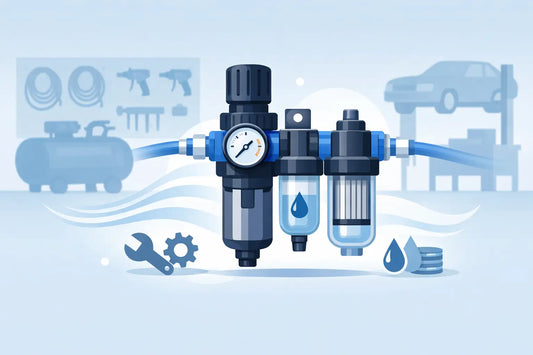
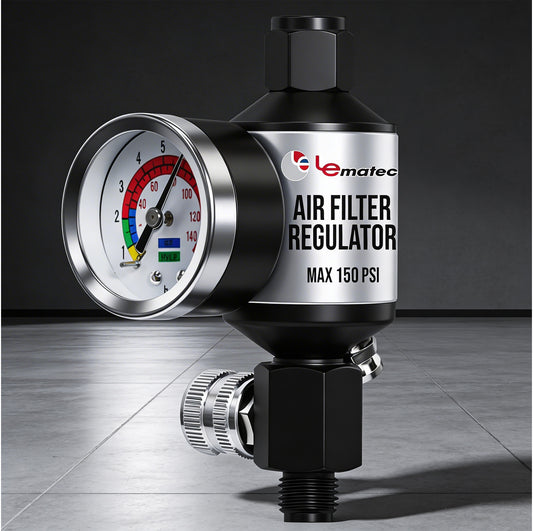
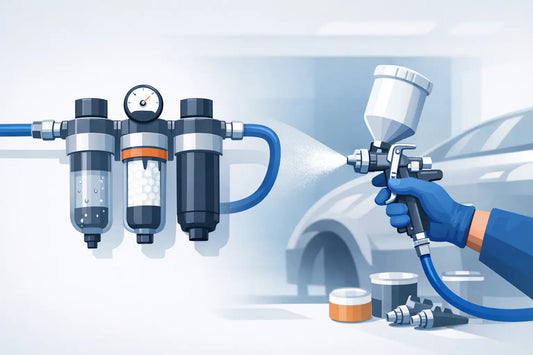
Water in the line turns a straightforward blasting job into a stop-and-start mess. Media clumps, pickup becomes inconsistent, and the gun sputters. A regulator and filter setup helps stabilize performance and protects the rest of the system. For anyone blasting regularly, this is money well spent because it reduces wasted media and keeps jobs moving.
It is also smart to think in terms of the full workflow. If you are running impact tools, grinders, and blasting equipment from the same compressor, your demand spikes may overlap. Plan for real usage, not best-case conditions.
Good technique saves time. Hold a consistent standoff distance, work at a controlled angle, and avoid lingering too long on one spot unless the material and finish call for it. Sweeping passes usually produce a more even result than random motion.
Check the nozzle, pickup tube, gloves, and window film regularly. Worn components reduce cutting efficiency and visibility long before they fully fail. A cabinet that seems slow may simply need fresh wear parts.
It also pays to sort parts before blasting. Greasy parts should be degreased first. Heavy scale may need more aggressive media than painted sheet metal. When parts are grouped by condition and material, setup gets simpler and results get more predictable.
If you routinely clean rusted hardware, prep parts for paint, restore automotive components, or finish fabricated pieces, a blast cabinet usually pays for itself in time, media savings, and reduced mess. It is especially useful for shops that want repeatable part prep without dedicating extra time to cleanup after every session.
For occasional users, the value still holds if your projects involve enough small parts to justify contained blasting. For high-volume shops, the decision is even easier. Cleaner workflow and less wasted effort add up quickly.
At Pro Air Tools, that is the real standard for equipment - it needs to help you finish the job faster, with fewer interruptions, and without adding risk to the buying decision. Fast shipping, a 36-month warranty, and factory-direct value matter because downtime and tool problems are not abstract. They cost time.
A blast cabinet is not just about stripping a surface. It is about making prep work more controlled, less wasteful, and easier to repeat. If your workbench keeps filling up with parts that need a clean, consistent finish, this is one of those tools that starts out as a convenience and quickly becomes part of the routine.



 AIR REGULATORS

 ACCESSORIES