Shopping Cart
(0)
Free shipping included — no minimum on any US order

Quick Search:

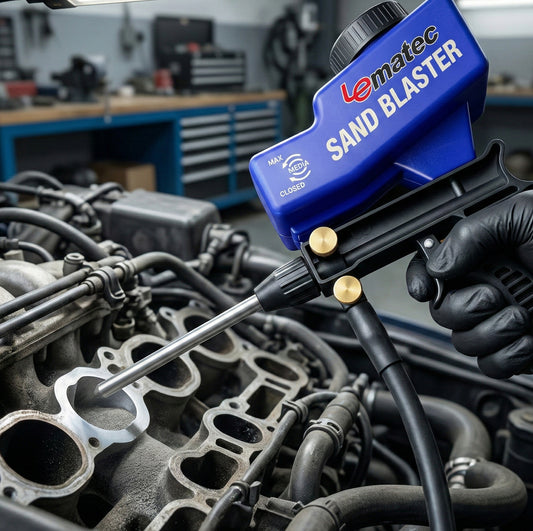
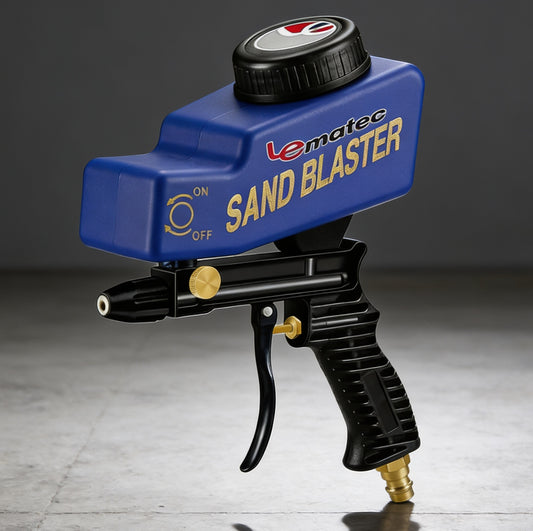
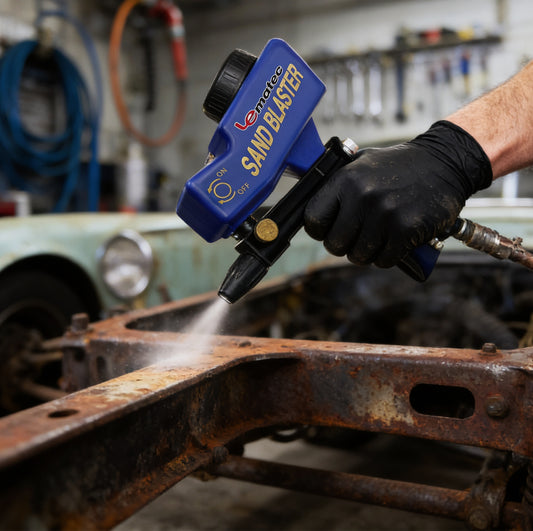
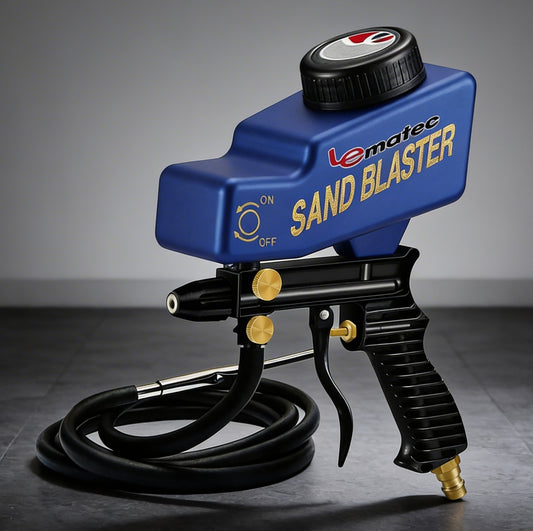
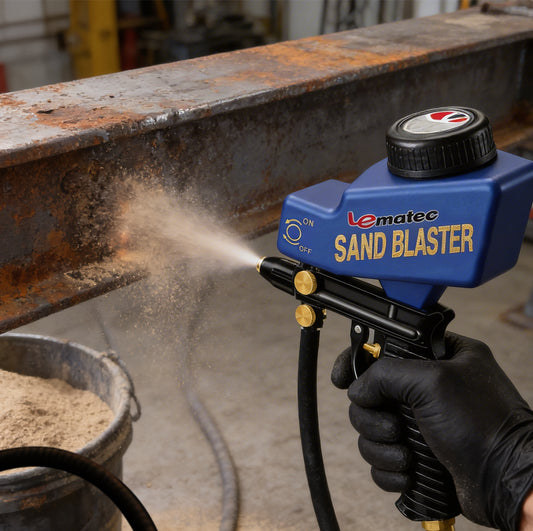
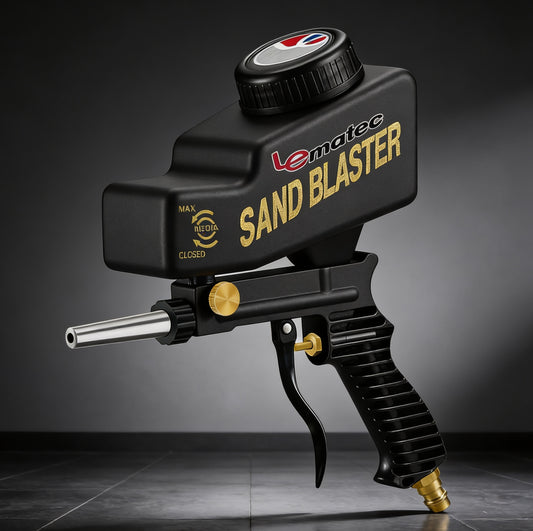

If you have ever spent an hour fighting rust with a weak blast pattern, you already know this is not just a specs question. The pressure blaster vs siphon blaster decision affects how fast you strip material, how much air you need, how much media you burn through, and whether the job feels efficient or frustrating.
For most buyers, the short answer is simple. A pressure blaster is usually the better choice when speed, heavier cleaning, and consistent performance matter. A siphon blaster makes more sense when you want a simpler setup, lighter-duty blasting, or lower upfront cost. The right pick depends on the work in front of you and the compressor behind it.
Both tools do the same basic job. They use compressed air to propel abrasive media at a surface and remove rust, paint, scale, coatings, or contamination. The difference is how the media gets into the air stream.
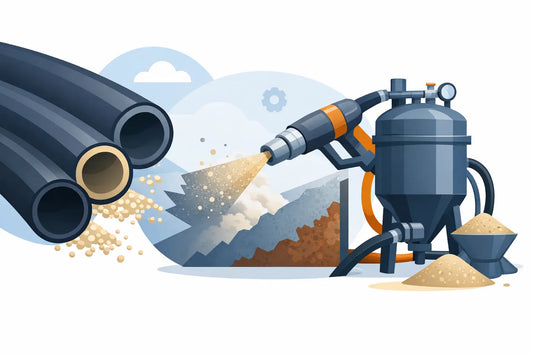
A pressure blaster stores media in a sealed pot that is pressurized. That pressure pushes the abrasive through the blast hose and out the nozzle with force. Because the media is being actively fed, the blast stream tends to be stronger and more consistent.
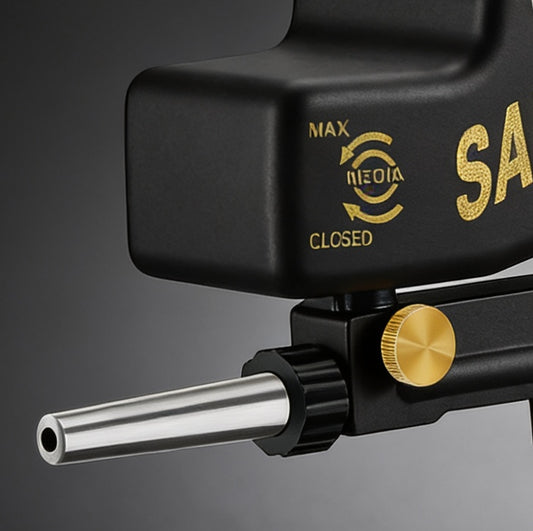
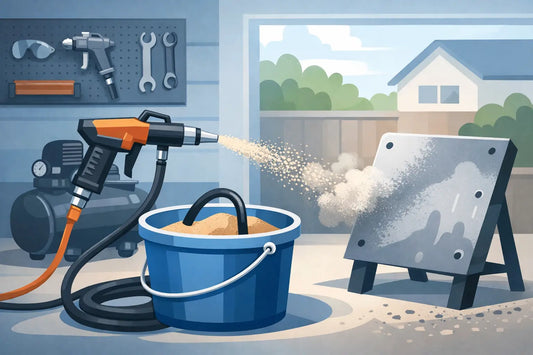
A siphon blaster works by suction. Compressed air passes through the gun, creates a vacuum, and pulls media up from a container or hopper into the air stream. It is a simpler system, but it usually delivers less aggressive blasting power than a pressure setup.
That design difference shows up immediately on the job. Pressure systems hit harder. Siphon systems are easier to get started with, but they generally remove material more slowly.
If your work includes frame rust, thick coatings, scale, cast parts, welded fabrications, or larger steel surfaces, pressure blasting is usually the practical answer. It moves more media with more force, which means faster stripping and less time standing in one spot.
That matters in a real shop. Faster cleaning means less labor, less fatigue, and less waiting to move on to primer, paint, welding, or assembly. If you bill by the job or you are trying to keep weekend projects from dragging into next month, production speed matters.
Pressure blasters also tend to handle heavier media flow more consistently. That can help on bigger projects where you want predictable results across the full surface instead of a blast pattern that feels uneven. For automotive restoration, fabrication prep, and maintenance work, that consistency is often worth the higher upfront cost.
The trade-off is that pressure systems are not as casual or forgiving. They usually cost more, they have more components to dial in, and they demand a capable air supply. If your compressor is undersized, even a good pressure pot can turn into a stop-and-start headache.
A siphon blaster is not the "wrong" option. It is just better suited to lighter work and buyers who value simplicity.
If you are cleaning smaller parts, doing occasional spot work, touching up brackets or fasteners, or working on projects where speed is less critical, a siphon setup can get the job done. It is often easier to operate, easier to reload, and less expensive to buy.
For hobby users and occasional blasting, that lower barrier matters. You may not need a pressure pot if your work is limited to small automotive parts, light corrosion, or surfaces that do not need aggressive material removal. In those cases, a siphon gun can be a practical way to keep equipment costs down.
Siphon blasters also fit users who want a simpler learning curve. There is less system pressure involved in media delivery, and for some buyers that makes setup feel more approachable. If the work is light and the schedule is flexible, that simplicity can outweigh the slower removal rate.
This is where the pressure blaster vs siphon blaster comparison usually gets settled.
A pressure blaster is typically faster. It puts more abrasive on the surface in a more forceful stream, which means rust and coatings come off sooner. On stubborn material, that time savings can be significant.
A siphon blaster can still produce solid results, but it usually takes more patience. On easy-to-clean surfaces, the gap may not feel dramatic. On heavier rust or thick paint, it usually does.
Finish quality depends on more than the blaster alone. Nozzle size, media type, air pressure, moisture control, and operator technique all matter. But in general, pressure systems maintain a steadier feed, which helps create more uniform blasting over time. Siphon systems can be more sensitive to media flow issues, especially if the abrasive is damp, inconsistent, or not flowing cleanly.
Efficiency is not just about speed. It is also about media use and rework. A faster, more consistent setup often means fewer passes and less wasted effort. That is one reason many serious users move to pressure pots once they start taking on larger or rougher jobs.
Before you choose either type, check your compressor. A blaster is only as usable as the air supply feeding it.
Pressure blasters often need more compressor capacity to perform the way buyers expect. If you are running a larger nozzle and trying to maintain steady pressure, your CFM demand climbs fast. A small compressor may technically run the tool, but performance will suffer if it cannot keep up.
Siphon blasters can also be air-hungry, but many entry-level setups are paired with lighter-duty use. That makes them feel more manageable for buyers with modest compressor systems. Still, blasting in general is one of the more demanding jobs you can ask of compressed air equipment.
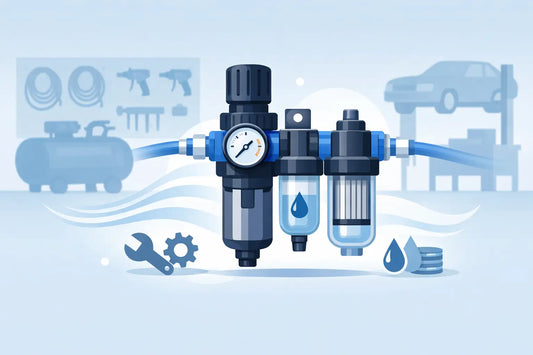
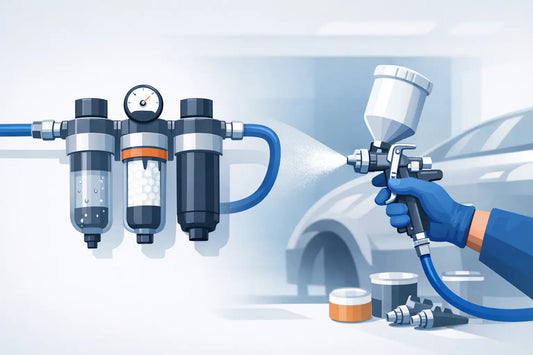
Moisture control matters too. Wet media causes problems in both systems, but especially in any setup where smooth abrasive flow is critical. A good filter or dryer setup is not optional if you want predictable blasting. If your air system is dirty or wet, fixing that should happen before you blame the blaster.
The tool matters, but so does the abrasive you run through it.
A pressure blaster usually handles a wider range of blasting jobs with authority, especially when you need stronger cutting action. That makes it a better fit for users switching between rust removal, coating removal, and surface prep on different materials.
A siphon blaster works best when the media flows easily and the job does not require maximum aggression. If the media is too heavy, too damp, or inconsistent in size, siphon performance can fall off quickly. This is one of the reasons some buyers think their siphon unit is defective when the real issue is media flow.
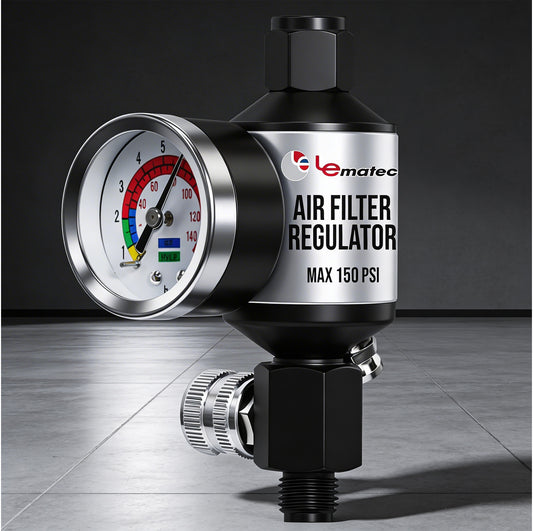
If you plan to blast often, the quality of your media and accessories matters as much as the gun or pot. The right hose, nozzle, regulator, and moisture control setup can make a noticeable difference in how either system performs.
If you want the most productive option for regular use, buy a pressure blaster. It is the better fit for larger surfaces, heavier corrosion, tougher coatings, and buyers who care about getting through work without wasting time. In a shop environment, that usually makes it the better value even if the initial price is higher.
If you want a lower-cost entry point for occasional blasting, smaller parts, or lighter-duty cleanup, a siphon blaster can still be a smart purchase. It is easier to justify when the work is limited and you do not need maximum output.
A good rule is to buy for the hardest job you realistically expect to do, not the easiest one. Many users outgrow a siphon setup once they start taking on bigger restoration or fabrication work. Fewer people regret buying enough blasting power the first time.
For buyers who want dependable performance, the right accessories also matter. A capable regulator, proper filtration, quality media, and a compressor that can keep pace will do more for blasting results than chasing specs alone. That is also why buying from a supplier that understands the full pneumatic setup, not just the blaster itself, saves time and guesswork.
If your goal is fast, consistent surface prep with less frustration, lean pressure blaster. If your goal is occasional light-duty blasting with a simpler buy-in, siphon still has a place. The best choice is the one that matches your workload, your compressor, and how much time you can afford to spend on the job. Pro Air Tools built its lineup around that kind of practical decision, because the right setup should make the work easier, not slower.


 AIR REGULATORS

 ACCESSORIES