Shopping Cart
(0)
Free shipping included — no minimum on any US order

Quick Search:

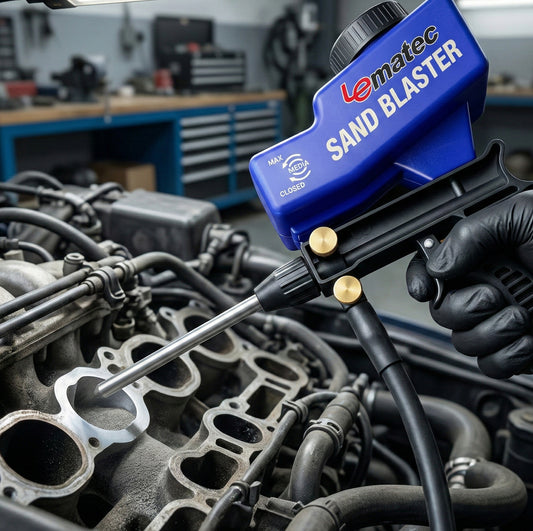
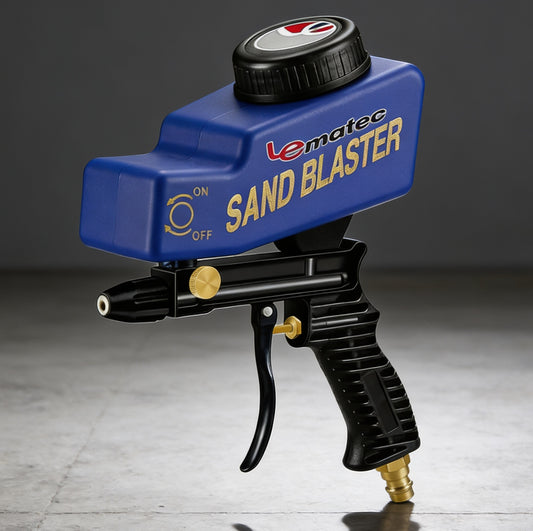
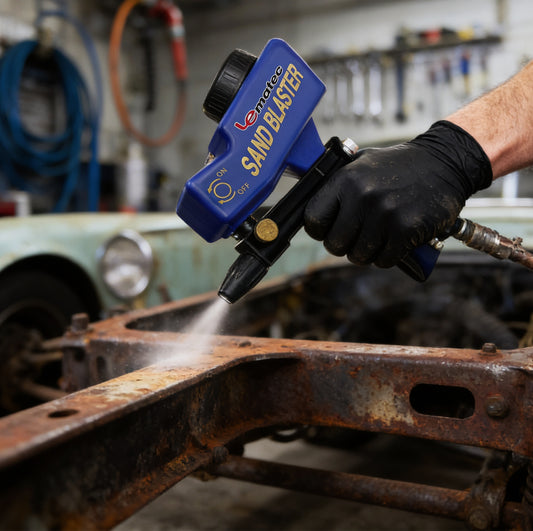
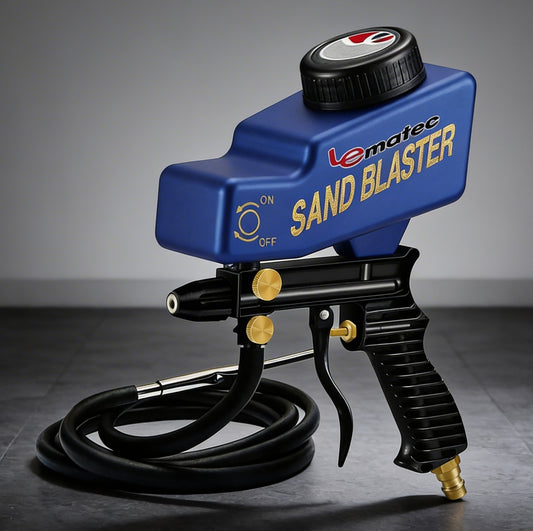

A blow gun is one of the least expensive tools on an air line, but it can save more time than a lot of bigger purchases. The best air blow gun for shop work clears chips from a drill press, dust from a bench, water from parts, and debris from hard-to-reach areas without wasting air or becoming another weak point in the hose setup.
For a home garage, fabrication bay, or maintenance shop, the right choice depends less on flashy features and more on nozzle design, reach, trigger control, fitting compatibility, and how the tool handles daily use. A basic short-nozzle gun can be exactly right for one bench. A long safety nozzle can be the better buy when you are constantly working around engines, frames, machinery, or cabinets.
Start with the job, not the price tag. Blow guns all deliver compressed air, but the way they deliver it changes how well they work. A nozzle that produces a tight, concentrated stream is useful for clearing metal chips from a fixture or drying a small part. A wider or safety-focused nozzle is better for general cleanup because it moves debris without concentrating the full output in one aggressive point.
The best shop blow gun should feel solid in the hand and have a trigger you can feather. That matters when you need a quick burst to clear a hole, but it matters just as much when you are blowing dust away from a painted surface or delicate assembly. A stiff trigger or a cheap valve can turn a simple cleanup job into an annoying, air-wasting task.
Durability is also practical. A metal body, protected trigger, and quality threads hold up better when the gun gets dropped on concrete, tossed into a service cart, or used every day at the workbench. Plastic blow guns can work for light, occasional use, but a busy shop usually benefits from a more substantial tool.
The nozzle determines where the air goes and how easy it is to control. This is the first feature worth comparing.
A standard short nozzle is the all-purpose option. It is compact, easy to store, and effective for cleaning benches, tires, tool surfaces, and accessible machine areas. If your shop needs one blow gun that can handle routine cleanup, this is usually the place to start.
A long nozzle reaches into places your hand cannot. It is useful for blowing debris out of engine bays, frame channels, radiators, machinery guards, cabinets, and behind workstations. The trade-off is that a long tube can be bent if it is mishandled, so it is best for users who need the reach often enough to justify it.
A rubber-tipped nozzle is useful around finished surfaces. The softer tip helps reduce the chance of scratching paint, polished metal, or plastic trim if the nozzle touches the work. It can also help create a more controlled seal around openings, although you should never use compressed air to pressurize parts beyond their intended limits.
Safety nozzles deserve a close look in any professional environment. They are designed to reduce dead-end pressure and allow air to escape if the tip is blocked. That design helps address a real shop hazard: compressed air can drive chips, dust, and loose debris at high speed. For workplace cleaning, OSHA rules require compressed air used for cleaning to be reduced below 30 psi and used with effective chip guarding and personal protective equipment. A safety nozzle is useful, but it does not replace a regulated air supply, safety glasses, and sensible work practices.
Blow guns are intermittent-use tools, so their published air consumption may look modest compared with an impact wrench or die grinder. Still, an unrestricted high-flow gun can drain a small compressor quickly, especially when it is used repeatedly for cleanup between jobs.
If your compressor struggles to keep up, do not assume the problem is the blow gun alone. Check the regulator setting, hose diameter, quick-connect fittings, water separator, and couplers. A restrictive fitting or undersized hose can make a good blow gun feel weak. On the other hand, a wide-open high-flow nozzle on a small portable compressor may create more noise and compressor run time than the job requires.
For most garage and general maintenance work, a standard 1/4-inch NPT inlet is the simplest choice because it matches common shop fittings. Consistency matters. Standardizing your hose ends, plugs, and couplers saves time when you move between an inflator, blow gun, air ratchet, and other pneumatic tools.
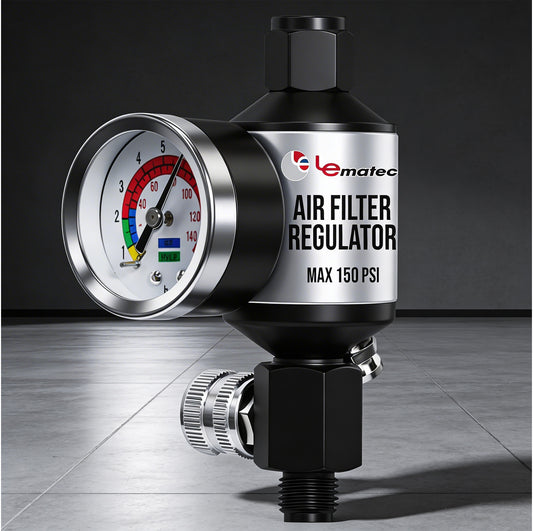
A regulator near the work area gives you better control. You may want higher pressure for drying a cast part after washing, then a lower setting for moving dust away from a work surface. Running every accessory at the compressor's maximum pressure is not a performance strategy. It wastes air and makes sensitive cleanup harder to control.
A blow gun is not a substitute for a broom, vacuum, parts washer, or dust collection system. It is especially poor for spreading fine sanding dust around a shop, because that dust does not disappear. It lands on other work, enters equipment, and can become a breathing hazard.
Never aim compressed air at yourself or anyone else. Do not use it to clean clothing, skin, or hair. Air can force contaminants into the skin, injure eyes and ears, and turn small chips into dangerous projectiles. Wear safety glasses at minimum, and add appropriate face, hearing, and respiratory protection for the material you are moving.
For metalworking and sanding areas, position a shield or use a cleaning method that contains debris whenever possible. If you need to use air for cleanup, keep the nozzle pointed away from people, finished vehicles, open bearings, electrical components, and nearby paint work. The fastest cleanup is not worthwhile if it creates damage or sends abrasive dust into the next job.
The difference between a frustrating blow gun and a useful one often comes down to a few small details. Look for a comfortable lever trigger with predictable control, a solid metal valve body, and threads that accept replacement nozzles or extensions. Replaceable components extend the life of a tool that is likely to see plenty of rough handling.
A hanging hook or built-in storage loop is a small feature that pays off. When a blow gun has a home at the bench or on a hose reel station, it is less likely to get buried under parts or run over by a cart. A compact gun is easier to keep near a tire inflator or workbench; a longer model may be better stored on a dedicated peg or tool board.
Swivel fittings can improve comfort if you use a blow gun for extended cleanup. They reduce hose twist and help the gun stay pointed where you want it. However, every added fitting is another possible leak point, so use quality components and inspect them regularly. If you hear constant hissing at the gun, coupler, or hose end, fix it. Small air leaks add up to extra compressor cycles and wasted money.
Automotive users often get the most value from a standard gun plus a long-nozzle option. The short gun handles wheels, benches, brake hardware, and general cleanup. The long version helps clear leaves and loose debris from engine compartments, body seams, and underhood areas before detail work or repairs.
Fabrication and welding shops need control. A concentrated nozzle can clear chips from a vise or fixture, but it should not be the default method for blasting grinding dust across the floor. Use it for targeted cleanup, then rely on a vacuum or proper collection method for fine material.
Maintenance teams usually benefit from a durable, safety-oriented gun that can stay on a service cart. It should be easy to connect, sturdy enough for daily handling, and capable of reaching equipment housings without forcing the user into awkward positions.
For DIY garages, avoid overbuying. A quality metal-bodied short blow gun with a safety nozzle and common 1/4-inch NPT connection will cover a large share of routine tasks. Add a longer nozzle later if you repeatedly find yourself trying to reach into tight spaces with the wrong tool.
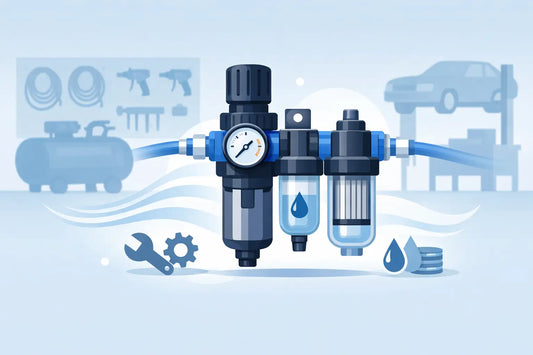
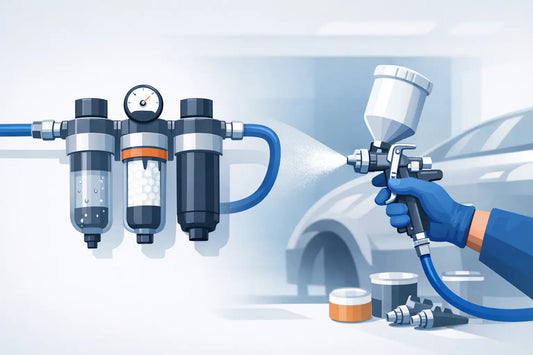
Even the right gun cannot overcome dirty, wet, poorly regulated air. If moisture is coming through the line, clean parts can end up with water spots or surface contamination. A filter and water separator are worthwhile for any shop that uses pneumatic tools regularly, particularly around paint prep, sandblasting, and sensitive mechanical assemblies.
Check your hose condition as well. Cracked hose ends, worn couplers, and damaged plugs reduce performance and create interruptions when you are trying to finish a job. Keeping the air system maintained is not glamorous, but it protects the tools connected to it and keeps your compressor from working harder than necessary.
When you are buying shop air accessories, choose equipment that earns its place through dependable daily use. Pro Air Tools focuses on job-ready pneumatic equipment backed by a 36-month warranty and quick shipping, which matters when a worn-out accessory is slowing down work.
The right blow gun is the one you can grab without thinking, use with control, and put back knowing the work area is cleaner without creating a new problem. Set it up with the right nozzle, regulated pressure, and safe habits, and this small air tool will keep paying for itself one quick cleanup at a time.


 AIR REGULATORS

 ACCESSORIES