Shopping Cart
(0)
Free shipping included — no minimum on any US order

Quick Search:

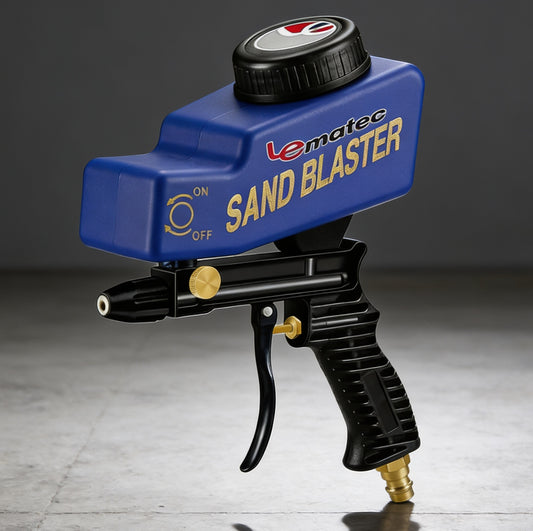
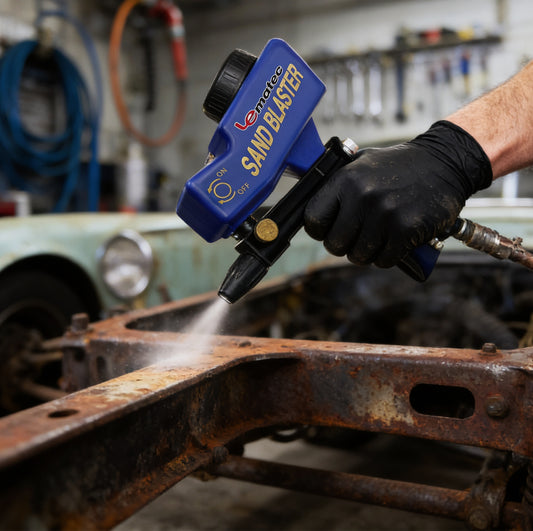
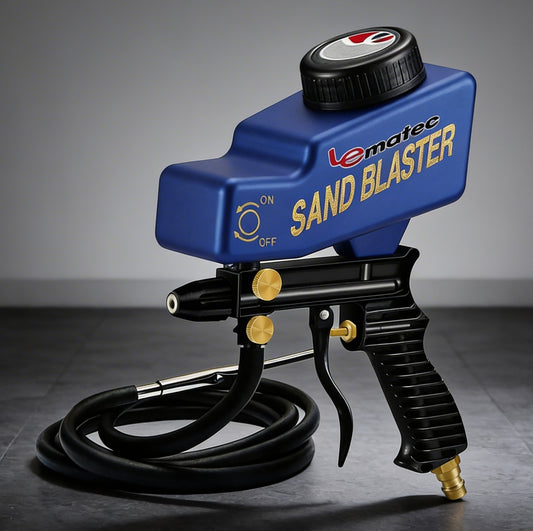
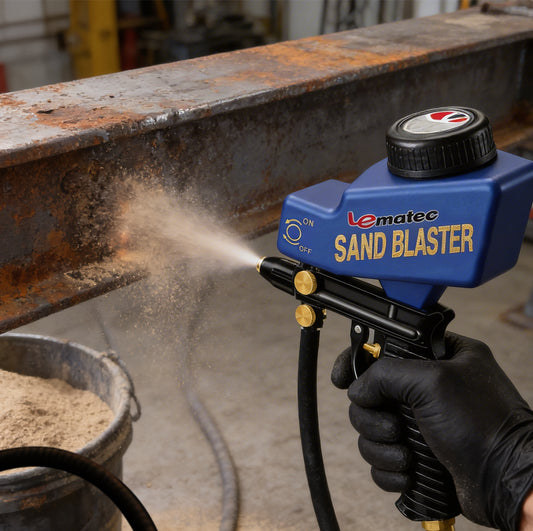
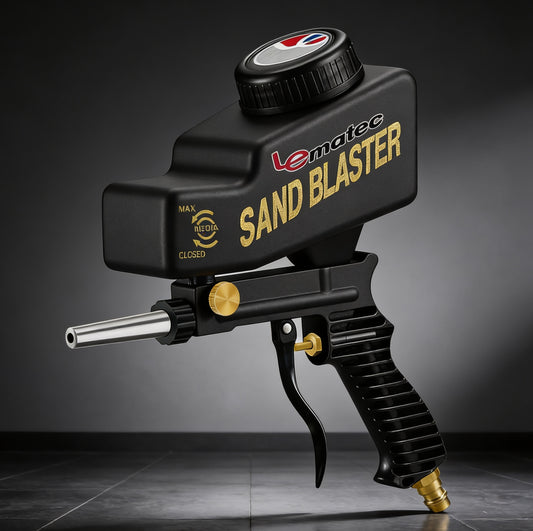
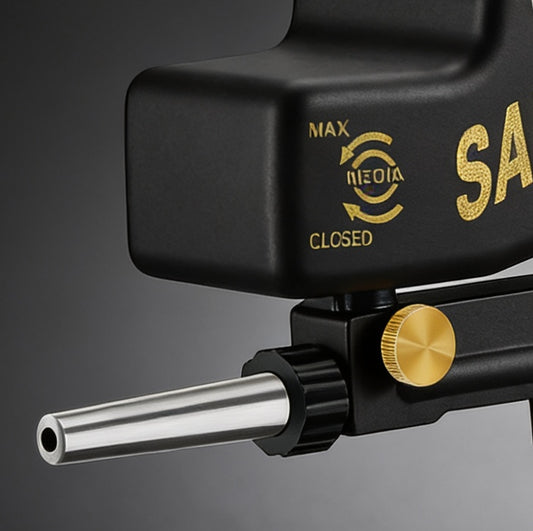

A blast nozzle is a wear part, but it has an outsized effect on how fast you strip a panel, clean a casting, or prep steel for coating. The ceramic vs tungsten blast nozzle decision usually comes down to one practical question: are you trying to keep initial cost low, or keep the blast pattern consistent through more hours of work?
For occasional cabinet blasting and light restoration, ceramic can be a sensible low-cost choice. For frequent use, abrasive media, and jobs where downtime costs more than the nozzle, tungsten carbide is usually the better buy. The right answer depends on your media, air supply, nozzle size, and how many hours you actually blast.
Ceramic nozzles are commonly made from aluminum oxide or similar ceramic compounds. They are hard, affordable, and capable of handling lighter blasting work. Their weakness is brittleness. A ceramic tip can chip or crack if it is dropped, struck against a workpiece, or exposed to rough handling around the blast cabinet or jobsite.
A tungsten blast nozzle generally means tungsten carbide. Tungsten carbide costs more up front, but it resists abrasive wear far better than ceramic. It is also much tougher in real shop use. That matters when you are moving hoses, working around frames and wheels, or running longer blasting sessions where a worn nozzle can quietly waste media and compressor capacity.
Neither material makes a weak compressor perform like a production system. Nozzle material affects service life and consistency. Nozzle bore size still determines the air volume your setup needs.
Every abrasive particle passing through the nozzle removes a tiny amount of material from its bore. As the opening grows, the blast stream loses focus. The pattern becomes wider, velocity can drop, and it takes longer to clean the same area.
That gradual wear is easy to miss. The blaster may still be working, but it begins using more compressed air and more media to get less done. On a small touch-up job, that may not be a major concern. On a chassis, a batch of parts, or regular cabinet work, it adds time and operating cost quickly.
A worn nozzle can also push an air system beyond what it was sized to handle. If a compressor once maintained useful pressure with a properly sized nozzle but now struggles to keep up, inspect the nozzle bore before blaming the compressor. An oversized, worn-out tip can turn a manageable load into constant pressure drop.
Ceramic nozzles fit users who blast occasionally and want an economical replacement they can keep on hand. They work well for short cabinet sessions, light rust removal, small brackets, hardware, and hobby restoration jobs where blast hours are limited.
They can also make sense when using gentler media. Fine glass bead, baking soda, walnut shell, and plastic media generally place less demand on a nozzle than aggressive mineral abrasives. That does not make ceramic permanent, but it can extend its useful life enough for low-volume work.
The main requirement is careful handling. Do not use a ceramic nozzle as a lever, knock it against the part being blasted, or toss it loose into a toolbox. Inspect it whenever you change media or notice an uneven pattern. If the tip is chipped, cracked, or visibly enlarged, replace it instead of trying to stretch a few more hours out of it.
Ceramic is often the smart choice when the purchase decision is driven by low upfront cost and the blaster is not running every week. Buying several affordable replacements can be more practical than paying for a premium nozzle that will never see enough use to justify itself.
Tungsten carbide is built for more demanding abrasive blasting. It is the better fit for frequent cabinet use, pressure blasting, larger restoration work, maintenance departments, and small shops that need predictable performance from one job to the next.
It pays off especially when using aggressive media such as aluminum oxide, crushed glass, coal slag, steel grit, steel shot, or other sharp, hard abrasives. These media remove coatings and corrosion efficiently, but they also wear nozzles fast. A tungsten carbide nozzle holds its bore size much longer than ceramic, helping maintain a tighter, more effective blast stream.
That longer life has a practical shop benefit: fewer interruptions. Stopping mid-job to find a replacement nozzle, clean up spilled media, or troubleshoot a suddenly weak blast pattern is not productive. For anyone billing labor, turning parts, or trying to finish a weekend project on schedule, fewer nozzle changes are worth considering.
Tungsten carbide is not indestructible. It can still be damaged by hard impacts, poor storage, or incorrect installation. The point is not that it eliminates maintenance. It gives you a much longer wear window before performance begins to fall off.
Material choice should follow the work, not just the price tag. Fine media used for delicate finishing is easier on a nozzle than hard, angular media used to strip paint and scale. The amount of blasting matters just as much.
For occasional parts cleaning with fine glass bead, ceramic may serve you well. For stripping wheels, frames, farm equipment, fabricated steel, or heavily rusted components with aluminum oxide or crushed glass, tungsten carbide is the more dependable option.
Also consider whether you are blasting inside a cabinet or outdoors with a pressure pot. Cabinet work can be controlled and intermittent. Pressure blasting is usually more demanding because it is commonly used for larger surfaces and longer cycles. If you are feeding abrasive continuously for extended periods, nozzle durability becomes more valuable.
A useful rule is simple: the harsher the media and the longer the blast time, the stronger the case for tungsten carbide.
A premium nozzle with the wrong bore size can still create disappointing results. Larger nozzle openings consume substantially more air. Before moving up in nozzle size, check your compressor's delivered SCFM at the pressure you plan to blast, not just the tank size or maximum PSI printed on the label.
A small nozzle may be slower on a large surface, but it can be the right match for a modest compressor. A larger nozzle can move more media and cover more area when supplied with enough air, yet it may cause pressure loss if the compressor cannot maintain demand. Low pressure produces weak cutting action, uneven results, and longer cycle times.
Hose diameter, fittings, filters, and regulators matter too. Restrictive fittings and undersized hose can limit airflow before it reaches the nozzle. Keep moisture out of the air stream, use appropriately sized air lines, and set pressure based on the blaster and media manufacturer's recommendations. A dry, properly supplied air system helps any nozzle perform better.
Ceramic wins the initial-price comparison. Tungsten carbide often wins the cost-per-hour comparison. The better value depends on how often the blaster runs and what downtime means in your shop.
A low-cost ceramic nozzle can be the right purchase for a homeowner restoring one motorcycle tank or cleaning a few small parts. But if you replace ceramic tips repeatedly while working through a steady flow of fabrication, automotive, or maintenance jobs, the savings disappear. Add the extra media, air use, and lost time from a worn bore, and tungsten carbide becomes easier to justify.
Keep a spare nozzle regardless of material. A failed or badly worn tip should not stop a job that is otherwise ready to go. When ordering media, gloves, pickup tubes, or other sandblasting accessories, adding the correct spare nozzle is an inexpensive way to avoid a frustrating delay.
Inspect the nozzle visually and pay attention to changes in performance. Replacement is due when the bore is noticeably larger than its original size, the blast pattern turns irregular, the nozzle is chipped or cracked, or the compressor suddenly seems unable to maintain normal working pressure.
Do not wait for a complete failure. A nozzle that has worn out of spec is already costing you efficiency. If you have a new nozzle of the same size available, compare the openings side by side. The difference is often more obvious than expected.
For most occasional DIY blasting, ceramic keeps the setup affordable and gets the job done. For frequent use, hard media, and work where steady output matters, tungsten carbide is the better tool for protecting uptime. Choose the nozzle your compressor can support, keep a spare ready, and replace it before wear turns a straightforward blasting job into a slow one.



 AIR REGULATORS

 ACCESSORIES