Shopping Cart
(0)
Free shipping included — no minimum on any US order

Quick Search:

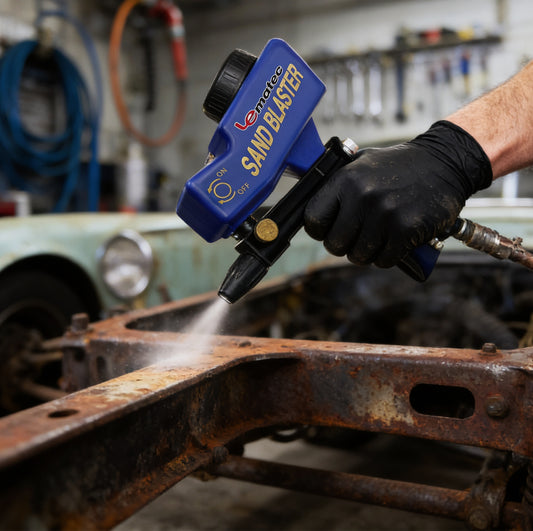
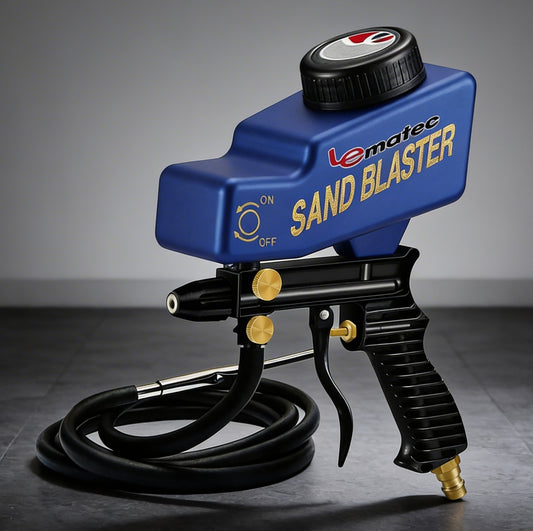
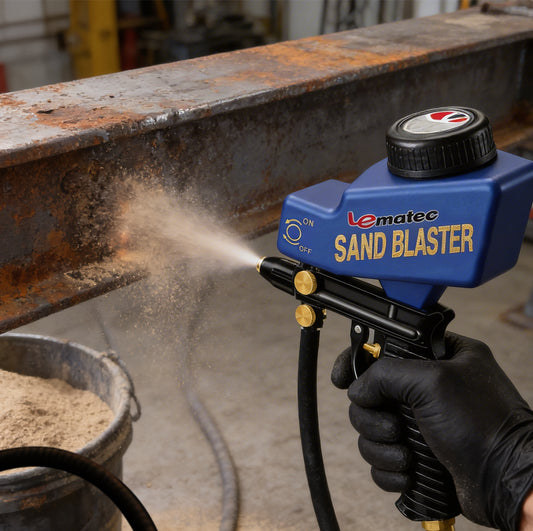
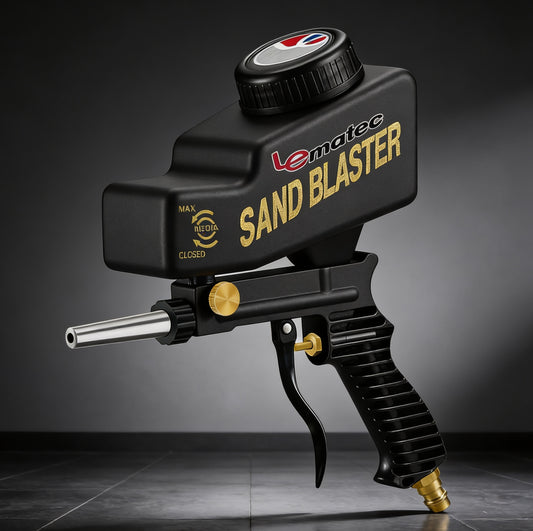

Different materials demand different blasting approaches. What strips rust from steel in minutes will destroy an aluminum panel in seconds. This application-focused guide tells you exactly which media, grit size, and pressure to use for each specific material and task — no guesswork, no damaged workpieces.
Written by Charles Rosenstein, Le Lematec / Factory Direct — over 15 years formulating media recommendations for professional surface prep applications.
| Application | Recommended Media | Grit Size | PSI Range | Aggressiveness |
|---|---|---|---|---|
| Mild steel — heavy rust | Aluminum oxide | 60–80 | 80–100 | High |
| Mild steel — light rust | Aluminum oxide | 100–120 | 70–90 | Medium |
| Mild steel — paint stripping | Aluminum oxide | 80–120 | 70–90 | Medium-High |
| Hardened steel/cast iron | Silicon carbide | 60–100 | 80–100 | Very High |
| Stainless steel — finishing | Glass bead | 100–170 | 60–80 | Low |
| Aluminum — cleaning | Glass bead or walnut shell | 100–200 | 40–60 | Low |
| Aluminum — paint removal | Baking soda | N/A | 30–50 | Minimal |
| Automotive body panels | Baking soda or fine glass bead | 170+ / N/A | 30–60 | Low-Minimal |
| Fiberglass | Walnut shell or baking soda | 12–20 mesh | 30–50 | Very Low |
| Wood — paint stripping | Walnut shell | 12–20 mesh | 30–50 | Very Low |
| Glass etching | Silicon carbide | 120–220 | 40–60 | Medium |
| Stone/concrete — cleaning | Aluminum oxide | 60–80 | 70–90 | Medium-High |
| Engine components | Walnut shell | 12–20 mesh | 40–60 | Low |
| Weld cleaning | Aluminum oxide | 80–120 | 70–90 | Medium-High |
| Pre-coating surface profile | Aluminum oxide | 60–100 | 80–100 | High |
For deep rust, scale, and heavy corrosion on structural steel, trailer frames, and equipment: aluminum oxide, 60–80 grit, at 80–100 PSI. This is the most aggressive commonly needed setup. The angular aluminum oxide particles cut through rust layers fast and create an excellent anchor profile for primer and paint. Our Brown Corundum media in 220 grit handles finer work on the same steel after the heavy rust is removed.
Hardened tool steel, heat-treated parts, and cast iron are too hard for efficient aluminum oxide cutting. Step up to silicon carbide, 60–100 grit, at 80–100 PSI. At 9.5 Mohs, silicon carbide cuts these hard surfaces efficiently. Our 100-grit Silicon Carbide is the go-to for demanding metal prep.
Stainless steel needs gentle treatment to maintain its corrosion resistance and appearance. Glass bead, 100–170 mesh, at 60–80 PSI creates a uniform satin finish without removing material or creating profile that traps contaminants. Never use steel-based media on stainless — embedded iron particles cause galvanic corrosion.
Post-weld cleanup (removing discoloration, spatter, and slag) calls for aluminum oxide, 80–120 grit, at 70–90 PSI. This removes the heat-affected zone discoloration and creates a clean surface for coating without excessive metal removal.
Aluminum is soft (2.5–3.0 Mohs) and scratches easily. Hard media like aluminum oxide or silicon carbide will gouge, etch, and warp aluminum parts. Use glass bead, 100–200 mesh, at 40–60 PSI for cleaning and finishing. The spherical glass peens the surface to a uniform satin finish without removing material.
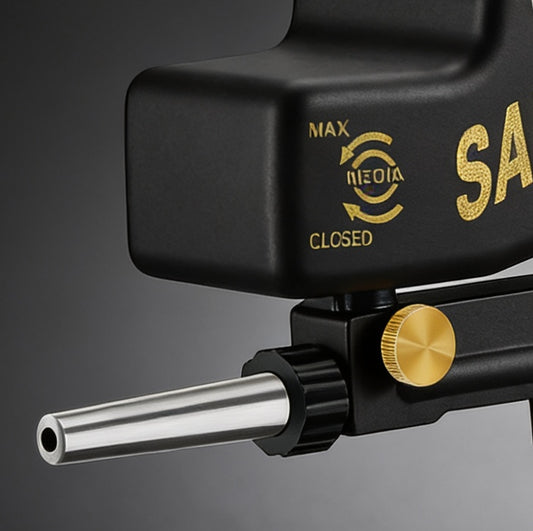
For stripping paint from aluminum without damaging the base: baking soda at 30–50 PSI. The soda crystals dissolve on impact, lifting paint through energy release rather than abrasion. Zero risk of warping, etching, or dimensional change. Use the AS118 Soda Blaster for this application.
Similar to aluminum — soft metals that scratch easily. Use walnut shell or glass bead at 40–60 PSI. These clean tarnish, residue, and light corrosion without altering surface dimensions or finish quality.
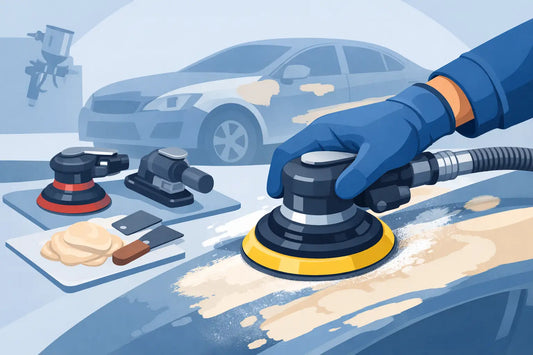
Thin automotive sheet metal (20–22 gauge) warps easily under aggressive blasting. Baking soda at 30–40 PSI is the safest method — it strips paint without warping panels, etching glass, or damaging chrome trim. You can blast directly over windshields, rubber seals, and emblems without masking.
For faster paint removal on thicker panels (fenders, doors), fine glass bead, 170+ mesh, at 50–60 PSI provides more cutting action while still being panel-safe.
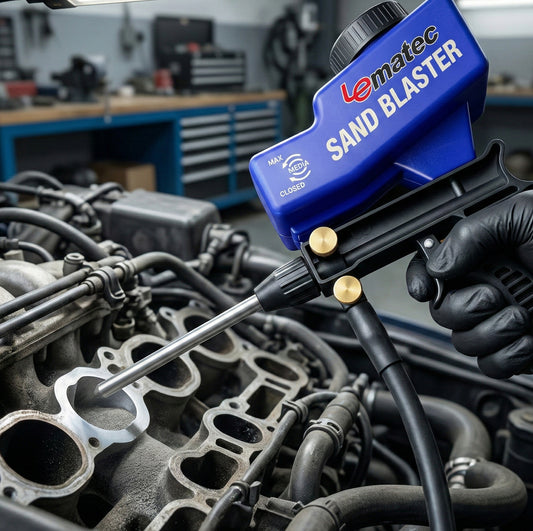
Cylinder heads, intake manifolds, valve covers, and pistons accumulate carbon deposits and baked-on grease. Walnut shell, 12–20 mesh, at 40–60 PSI removes carbon and grease without altering machined surfaces, removing metal, or changing tolerances. This is the standard method used by engine rebuilders.
Aluminum wheels: glass bead, 100 mesh, at 50–70 PSI. Steel wheels: aluminum oxide, 100–120 grit, at 70–90 PSI. Always match the media aggressiveness to the wheel material.
Walnut shell, 12–20 mesh, at 30–50 PSI removes paint from wood without gouging, splintering, or raising excessive grain. It's the gentlest effective paint removal method for furniture restoration, architectural woodwork, and log homes.
Walnut shell or baking soda at 30–40 PSI. Fiberglass gel coat is thin and fragile — hard media cuts right through it. Walnut shell and soda remove paint and contamination without damaging the gel coat layer underneath.
Silicon carbide, 120–220 grit, at 40–60 PSI creates clean, precise decorative etching on glass surfaces. Fine grit produces smooth frosted finishes; coarser grit creates deeper texture. Silicon carbide's hardness (9.5 Mohs) is essential for efficient glass cutting — softer media just bounces off.
Cleaning stone facades, removing graffiti from masonry, and preparing concrete surfaces: aluminum oxide, 60–80 grit, at 70–90 PSI for aggressive cleaning. For historic or decorative stone where preservation matters, use baking soda at 30–50 PSI to clean without surface damage.
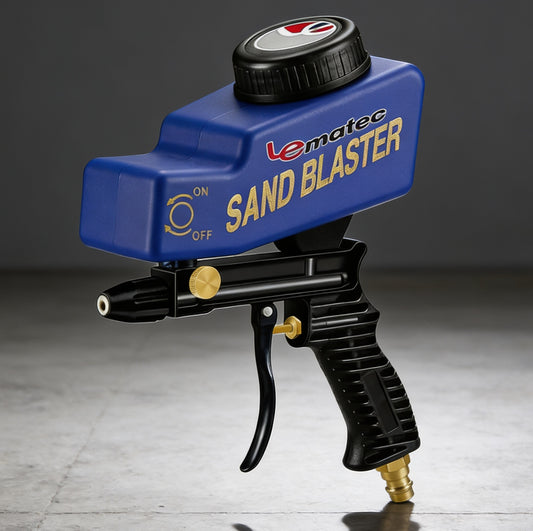
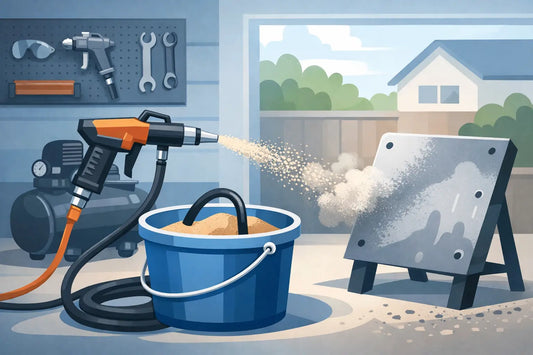
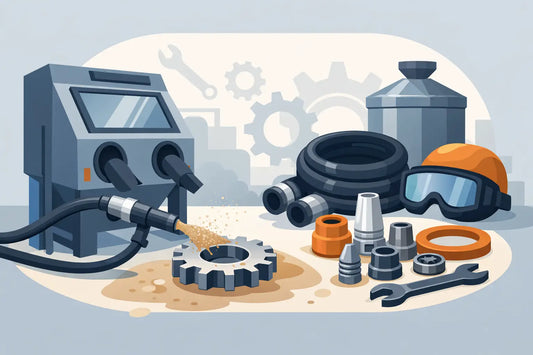
For all applications above, you need a quality sandblaster gun, clean dry air, and the right media. Here's our recommended setup by application type:
For the complete media comparison with cost analysis and reusability data, see our Sandblasting Media Comparison Guide. For air supply sizing, check the CFM & PSI Requirements Chart.
Factory direct from Le Lematec — professional quality, competitive prices.





 AIR REGULATORS

 ACCESSORIES