Shopping Cart
(0)
Free shipping included — no minimum on any US order

Quick Search:


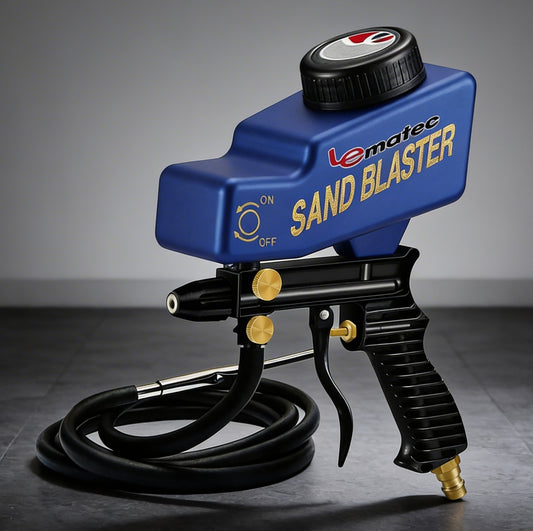
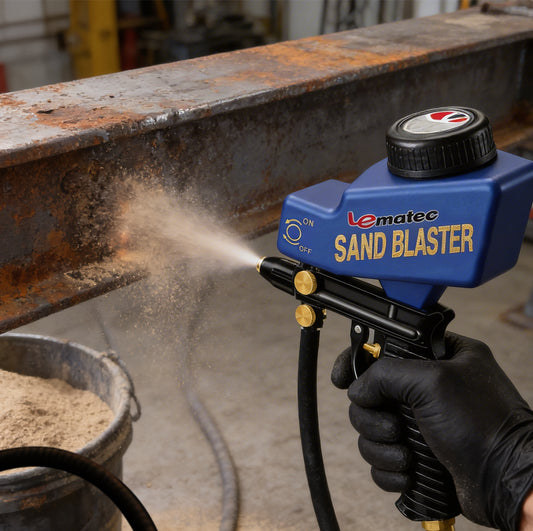
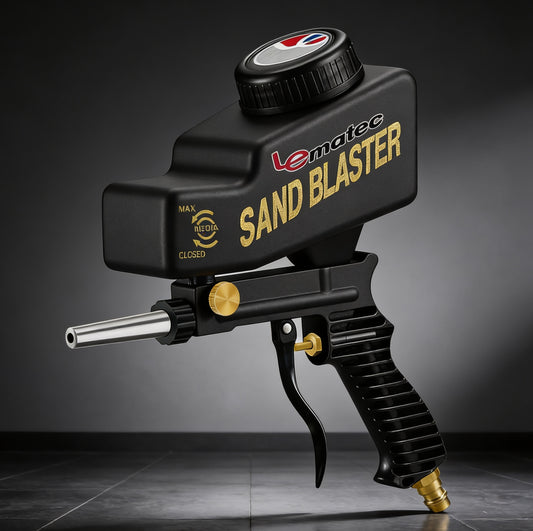
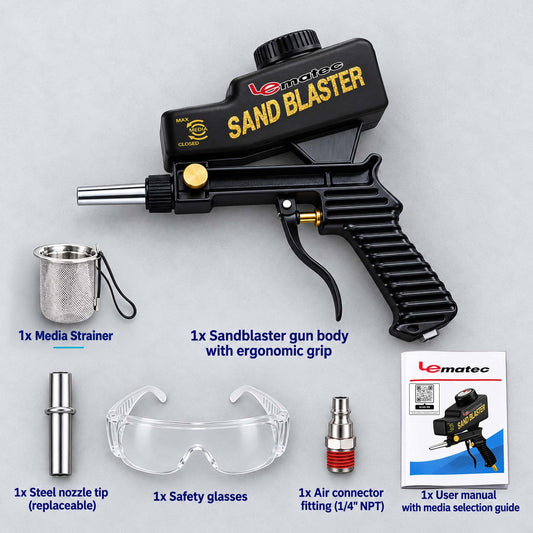

A leaking coupler can make a good compressor feel undersized, and a mismatched plug can stop a job before it starts. The best air hose fittings for shop use are not always the most expensive parts on the shelf. They are the fittings that match your tools, hose size, compressor output, and the way work moves through your space.
For a home garage, that may mean a simple, standardized 1/4-inch setup that works with an impact wrench, tire inflator, and blow gun. For a busy automotive, fabrication, or maintenance shop, it may mean higher-flow couplers at the compressor and main drops, with purpose-built connections for paint, blasting, and high-demand air tools. Getting the system right reduces leaks, protects tool performance, and keeps you from replacing fittings one at a time when you should be working.
Fittings are part of the air path. Every restriction between the tank and the tool can reduce available pressure and airflow, especially when a tool runs continuously. An impact wrench may seem fine with a small fitting for brief work, then lose torque when you are removing a run of lug nuts. A die grinder, sander, sandblasting cabinet, or blast gun makes the problem more obvious because it consumes air for longer periods.
Look at each tool's CFM requirement at its specified operating pressure, then compare it with compressor output. If your compressor already runs close to its limit, do not add undersized couplers, narrow plugs, or restrictive hose barbs. A larger internal passage can help preserve flow, but it will not turn a low-CFM compressor into a blasting compressor. Match the fitting system to the real bottleneck.
For general shop tools, 1/4-inch body fittings are common and practical. When operating higher-CFM tools or long hose runs, 3/8-inch body high-flow fittings and larger hose can be worth the extra cost. The thread size on the fitting does not tell the whole story. A 1/4-inch NPT connection can be paired with different body sizes and different internal bores, so check the fitting's stated flow rating and passage size.
The fastest way to create fitting problems is to buy whatever plug or coupler is available each time a new tool arrives. Air fitting profiles can look similar while using different valve geometry. Some will not connect at all; others may connect but fail to deliver the flow or sealing performance you expect.
Industrial interchange fittings, often called M style or Milton M style, are among the most common choices for general air tool use in the United States. They are widely available, easy to replace, and suitable for many impact wrenches, ratchets, drills, nailers, and inflation tools.
This is usually the sensible standard for a mixed-use garage or small repair shop. Put the same profile on the compressor outlet, wall drops, hose ends, and tools. Keep a few matching plugs and couplers in the drawer for replacements. Standardization matters more than chasing a small difference in price between fitting types.
Automotive or T style fittings are another common profile, particularly in older automotive setups. If your shop already has T style couplers throughout, staying with that standard prevents needless adapters and confusion. Do not assume M and T style are interchangeable just because both are marketed for air tools.
When expanding an existing system, identify what is already installed before buying a bulk pack. Compare the plug shape, coupler style, and manufacturer interchange chart. One consistent profile makes it easier for anyone in the shop to grab a hose and get to work.
High-flow V style fittings are a strong option when airflow is a priority. They are often used with larger impact wrenches, air sanders, grinders, and other tools that can expose restrictions in a smaller fitting setup. Their larger flow path can reduce pressure drop, particularly when paired with 3/8-inch hose.
There is a trade-off. High-flow fittings cost more, take up more space, and are not always needed at every connection. A practical approach is to use them on the compressor outlet, main hose, or stations serving high-demand tools. A light-duty blow gun does not need the same setup as a sandblaster.
ARO style fittings are common in some industrial environments and may be the right choice when equipment, hose reels, or existing plant air lines are already built around that profile. They are not automatically better or worse than M, T, or V style. Compatibility and available flow decide the right answer.
If you share tools across multiple locations, avoid mixing profiles unless there is a clear reason. Adapters solve an immediate problem but add length, potential leak points, and another part that can be lost when a job is moving fast.
Most portable air tools and common shop fittings use NPT, or National Pipe Thread. NPT is tapered, which means the threads tighten and seal as they engage. The common sizes are 1/4-inch NPT for tools and smaller hoses, plus 3/8-inch NPT for higher-flow hoses, regulators, and shop plumbing.
Do not confuse thread size with hose inside diameter. A 3/8-inch air hose often has 1/4-inch NPT ends. That can work well for everyday tools, but if you are building around continuous-use equipment, inspect the actual fitting bore and hose ID rather than relying on one number in the product name.
Use thread seal tape or a compatible thread sealant on NPT threads, following the product directions. Start one thread back from the end so tape does not shred into the air line. Loose tape can find its way into valves, regulators, and tool inlets. Do not use tape on connections that seal with an O-ring, flare, or dedicated gasket unless the fitting manufacturer calls for it.
Brass fittings are a reliable general choice for shop air. They resist corrosion well, are easy to handle, and work well in many garage and maintenance environments. Steel fittings are tough and often economical, but a damaged coating or wet air system can lead to corrosion over time. Stainless steel costs more but earns its place around moisture, washdown areas, and corrosive conditions.
The coupler sleeve also matters. A sleeve that is hard to grip with oily gloves gets frustrating fast. For high-use connections, choose fittings with a positive locking action and replace worn O-rings or couplers promptly. A coupler that hisses, sticks, or releases too easily is not a minor annoyance. It wastes compressor capacity and can become a safety concern.
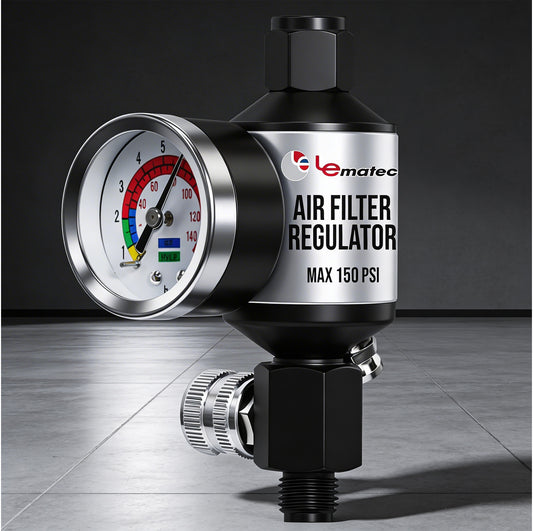
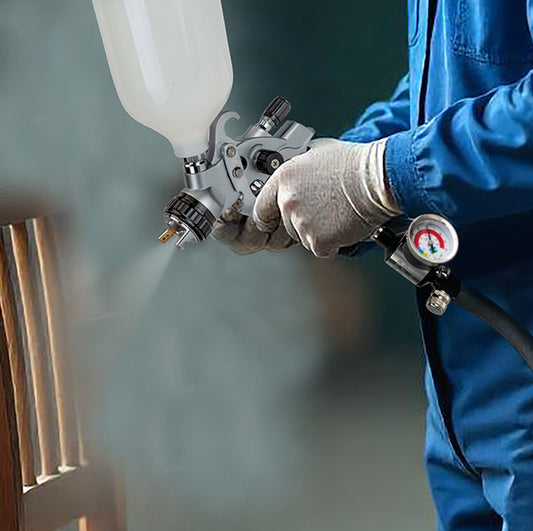
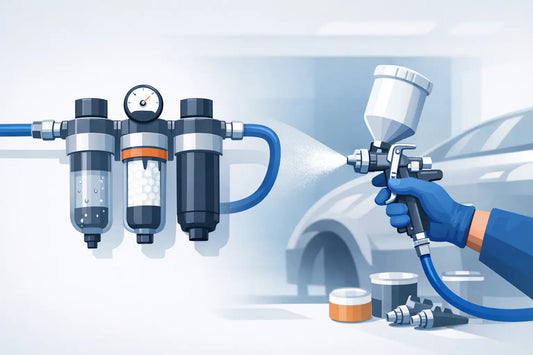
A well-planned fitting layout does not need to be complicated. Start with a quality regulator and filter near the compressor or at the point of use. Water and debris shorten the life of couplers, tools, and sandblasting equipment. If painting or blasting, give those operations dedicated clean, dry air management rather than relying on the same line used for oily shop tools.
For most small shops, one fitting profile across all general-purpose hoses and tools is the right move. Keep a few spare plugs, female couplers, hose repair ends, and thread sealant on hand. This small inventory prevents a $5 fitting failure from holding up a weekend project or a paid repair.
For larger spaces, use fixed air drops with shutoff valves, then connect flexible hoses at the work area. That reduces hose clutter and makes it easier to isolate a leak or service a reel. Use whip hoses at heavy tools when needed to reduce strain on the main hose connection.
Before disconnecting a fitting, shut off the supply and bleed trapped pressure when the task calls for it. Never point a pressurized hose or blow gun at yourself or anyone else. Compressed air is useful shop power, but it deserves the same attention you give electrical connections and rotating tools.
When you are ready to replace worn fittings or standardize a new setup, buy enough matching components to finish the job instead of patching the system piece by piece. Pro Air Tools customers can build around the tools they use most, then keep the air path simple, dry, and sized for the work. That is how a compressor delivers the performance you paid for when the next stubborn fastener, sanding job, or blast cleanup is waiting.




 AIR REGULATORS

 ACCESSORIES