Shopping Cart
(0)
Free shipping included — no minimum on any US order

Quick Search:

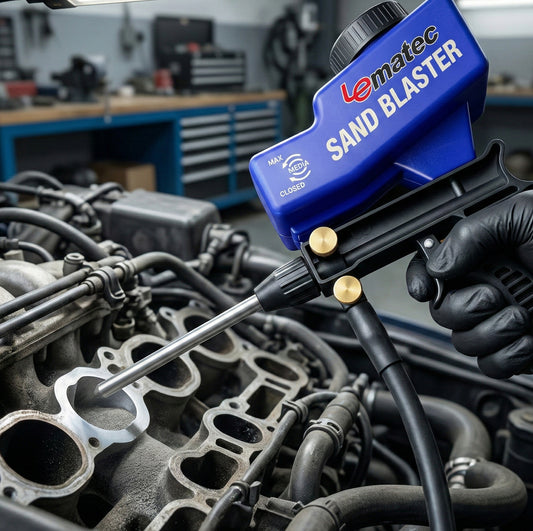
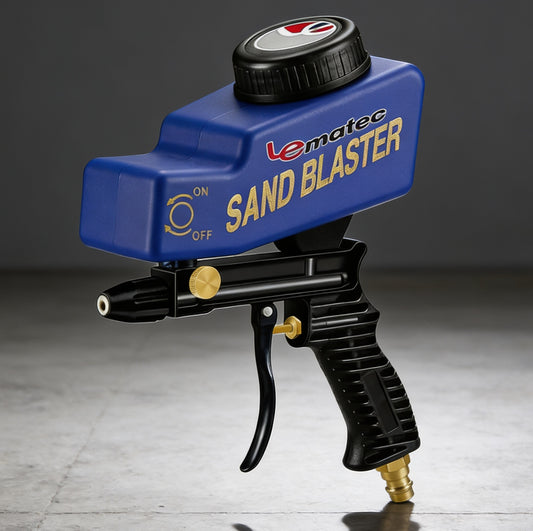
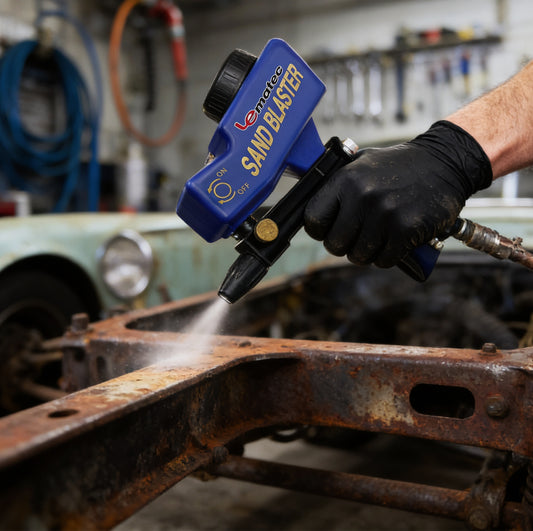
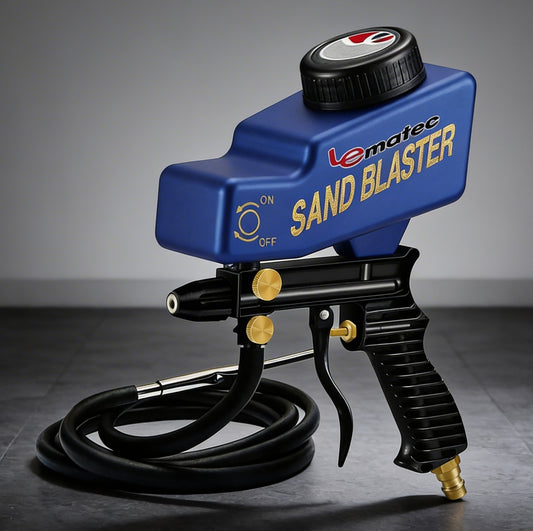

The best sandblasting media for steel is not one universal abrasive. The right choice depends on what is on the steel, how clean it needs to be, and whether you are stripping a truck frame, restoring brackets, prepping welds, or cleaning parts in a blast cabinet. Pick media that is too mild and you burn air and time. Pick media that is too aggressive and you can leave a rough profile, damage thin material, or create extra cleanup before paint.
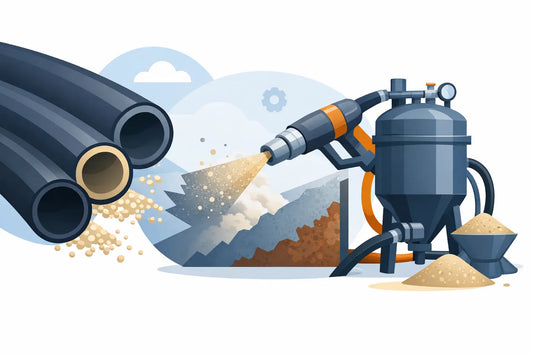
For most steel work, crushed glass, aluminum oxide, steel grit, steel shot, and garnet cover the jobs that matter. Each cuts differently, leaves a different surface, and places different demands on your blast pot, nozzle, air supply, and recovery setup.
Steel is tough, but its surface condition can vary a lot. Light surface rust on sheet metal is a different job from mill scale on fabricated plate. A thick powder-coated trailer frame needs more cutting power than a greasy engine bracket headed for paint.
Start by looking at the contaminant and the required finish. Rust, scale, old coatings, paint, and corrosion all respond differently. Then consider whether the part is thick enough to handle a sharp abrasive, whether the surface will be painted afterward, and whether you can recover and reuse the media.
Abrasive size matters as much as abrasive type. Coarser media cuts faster and creates a deeper anchor pattern for coatings. Finer media cleans more slowly but gives you more control around threads, edges, and thinner steel. A common mistake is using the coarsest media available to save time, then spending more time fixing a finish that is too rough for the coating system.
Crushed glass is one of the best all-around choices for steel restoration and paint prep. Its angular particles cut through rust, paint, and light-to-moderate scale effectively, leaving a clean profile that gives primer something to grip.
It is a practical choice for automotive frames, wheels, brackets, implements, gates, and general fabrication work. Crushed glass is typically a single-use media in open blasting, although some cabinet users may get limited reuse depending on the recovery system and how contaminated the media becomes.
The trade-off is dust and aggression. It can be too sharp for thin sheet metal if you hold the nozzle too close, stay in one spot, or run more pressure than the job needs. Keep the nozzle moving and test settings on an inconspicuous area before committing to a body panel or light-gauge fabrication.
Aluminum oxide is a hard, sharp abrasive that cuts quickly. When steel has stubborn rust, heavy coatings, or scale that is slowing down a lighter media, aluminum oxide gets the work moving. It is especially useful in blast cabinets where media recovery makes its durability worth the higher initial cost.
Use it for steel parts that need a strong, consistent profile before coatings, along with hard-to-clean components such as castings, tools, brackets, and fabrication pieces. Because it cuts aggressively, it is not the first choice for delicate sheet metal, polished surfaces, or parts where a low-profile finish is required.
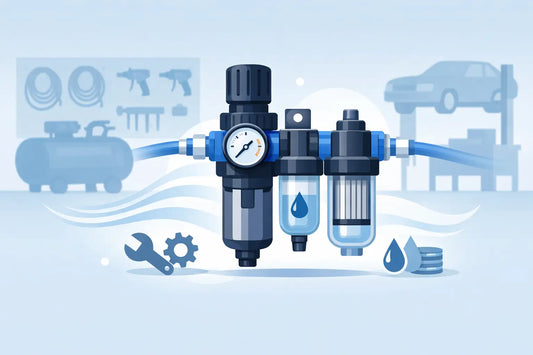
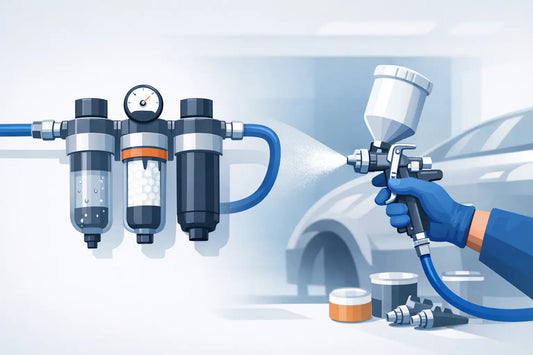
A cabinet with clean, dry air is where aluminum oxide earns its keep. Moisture causes media to clump, reduces flow, and can make a good abrasive look like an equipment problem. Run an air filter and moisture control close to the blasting setup, not just at the compressor tank.
Steel grit is designed for serious steel cleaning. Its angular shape cuts into mill scale, hardened coatings, and heavy corrosion while producing a pronounced surface profile. It is often the right answer for thick structural steel, equipment parts, industrial maintenance work, and surfaces that will receive durable protective coatings.
Unlike disposable abrasives, steel grit is commonly used in reclaim systems because it can be recycled many times when it is properly cleaned and sized. That makes it a strong value for a shop with steady blasting volume and the equipment to support recovery.
It is not a casual choice for every project. Steel grit needs a compatible reclaim setup, and it can be excessive for thin sheet metal or parts requiring a smoother finish. If your job is a one-time outdoor cleanup, crushed glass may be simpler. If you are running recurring production work, the long-term math can favor steel grit.
Steel shot is round rather than angular. Instead of cutting deeply, it impacts the surface to clean, compact, and peen it. It can remove light rust and scale while leaving a smoother finish than steel grit.
This makes steel shot useful for durable steel components where surface conditioning matters, including springs, machined parts, forgings, and certain maintenance components. It is generally paired with a reclaim system, since recovering and reusing the media is part of its value.
Do not expect steel shot to strip heavy coatings as quickly as a sharp abrasive. When the main goal is aggressive coating removal or a deep profile for a high-build coating, steel grit or aluminum oxide is usually the better fit.
Garnet is a hard, angular mineral abrasive that offers good cutting action with a controlled surface profile. It works well for rust removal, coating removal, and paint preparation when you want a cleaner finish than very coarse, highly aggressive media can provide.
It is a good option for automotive restoration, fabrication, and maintenance work where the operator wants steady cutting without jumping straight to aluminum oxide. Garnet is often used once in open blasting, though it may be reused in a well-maintained cabinet or recovery system.
Garnet costs more than some general-purpose abrasives, so it makes the most sense when finish quality, lower embedment concerns, and predictable performance justify the spend. For steel headed to a quality coating job, that extra control can prevent rework.
| Steel job | Recommended media | Why it fits |
|---|---|---|
| Rusty frames, wheels, gates, and equipment | Crushed glass | Fast cutting and a paint-ready profile |
| Heavy mill scale and industrial coatings | Steel grit or aluminum oxide | Aggressive removal on thick steel |
| Blast cabinet parts cleaning | Aluminum oxide | Long service life and quick cutting when recovered |
| Springs, forgings, and surface conditioning | Steel shot | Smoother finish with peening action |
| Restoration and controlled paint prep | Garnet | Consistent cut and controlled profile |
Soda blasting and walnut shell media have their place, but they are not first-line abrasives for heavily rusted steel. Soda is gentle and useful when protecting sensitive surfaces matters more than creating a coating profile. It can also leave residue that must be thoroughly cleaned before painting. Walnut shell is better suited to softer cleaning jobs than deep corrosion removal.
Avoid silica sand for blasting. The airborne dust hazard is serious, and safer abrasives are widely available for steel work. A cheaper bag of media is not a bargain if it creates a health risk, poor visibility, or a cleanup problem.
Also be careful with mixed or unknown recycled abrasives. Inconsistent particle size can cause uneven cutting and feeder issues. Contamination can compromise the finish, especially when steel is being prepared for primer, epoxy, or powder coating.
Abrasive choice is only half the setup. An undersized compressor, restrictive hose, worn nozzle, or wet air supply will make any media feel slow. Sandblasting demands sustained airflow, not just a high peak PSI number. Check the blaster and nozzle requirements against your compressor's delivered CFM at working pressure.
Use an adequately sized air hose, keep fittings from becoming bottlenecks, and replace worn nozzles. As a nozzle wears, its opening gets larger and air demand rises. The blast pattern gets less efficient, and the compressor may no longer keep up even though nothing else changed.
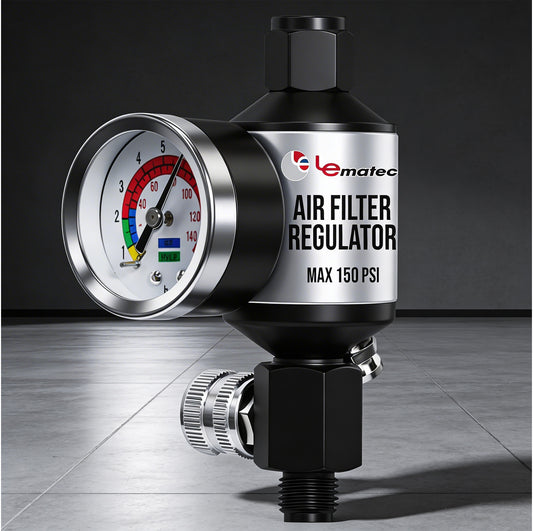
Dry air is just as critical. Water in the line can cause media bridging in the pot, pulsing at the nozzle, and flash rust on freshly cleaned steel. Use a proper regulator and moisture filter, drain the compressor tank, and keep media sealed and dry between jobs.
Before loading the blaster, decide what the steel needs to look like when you are done. For a rough equipment frame headed to heavy paint, a stronger profile may be useful. For a thin automotive panel, controlled pressure, finer media, and careful nozzle distance matter more than raw cutting speed.
Run a small test area first. Check how quickly the coating comes off, inspect the surface profile, and make sure the steel is not heating or warping. Then lock in your media, pressure, and nozzle technique before moving across the full part.
The best choice is the abrasive that removes the problem efficiently while leaving exactly the finish your next step requires. Match the media to the steel, keep your air clean and flowing, and the rest of the job gets easier.


 AIR REGULATORS

 ACCESSORIES