Shopping Cart
(0)
Free shipping included — no minimum on any US order

Quick Search:


A blow gun can clear chips from a bracket or dry a cleaned part in seconds. It can also send metal fragments into an eye, force debris under skin, or turn loose material into high-speed projectiles. Compressed air blow gun safety is not about making a simple task complicated. It is about controlling pressure, direction, and the work area so a quick cleanup does not become a trip to urgent care.
For mechanics, fabricators, maintenance crews, and serious DIY users, the rule is simple: compressed air is a tool, not a harmless source of moving air. Treat the nozzle with the same attention you give a grinder, impact wrench, or cutting tool.
Shop air is stored energy. Even a small compressor can deliver enough force to launch chips, blasting media, rust scale, and solvents across a bay. The danger is not limited to what comes out of the nozzle. A blast of air can uncover sharp debris on a bench, disturb dust that should stay contained, or drive contamination into a bearing, electrical connector, or painted surface.
The most serious risk is air entering the body through a cut, puncture, or other opening. High-pressure air can damage tissue beneath the skin, and an air injection injury may look minor at first. It is not a "wait and see" situation. Any suspected air injection injury requires immediate medical evaluation, even when the visible wound is small.
Blow guns also create a false sense of safety because they are light, inexpensive, and easy to use one-handed. That is exactly why habits matter. The user who pauses to set pressure and check the nozzle is usually the user who prevents the bad outcome.
Set pressure for the task, not for the maximum number on the compressor gauge. Cleaning a dusty workbench, drying a part, and clearing heavy chips are different jobs. More pressure is not automatically more productive. It often means more flying debris, more noise, and more wasted air.
For cleaning operations, use an engineered safety blow gun and nozzle designed to limit dead-end pressure. In many workplace applications, the commonly used safety benchmark is 30 psi or less when the nozzle is blocked, combined with effective chip guarding and appropriate personal protective equipment. A standard open pipe or unrestricted nozzle is not the same thing as a safety nozzle.
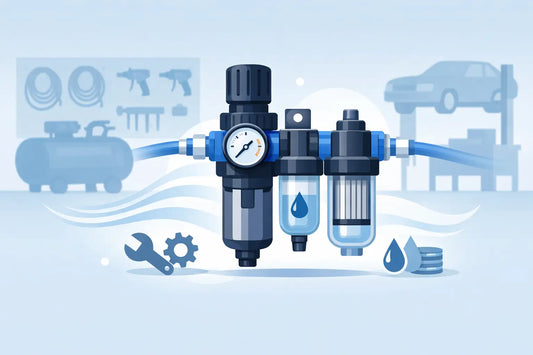
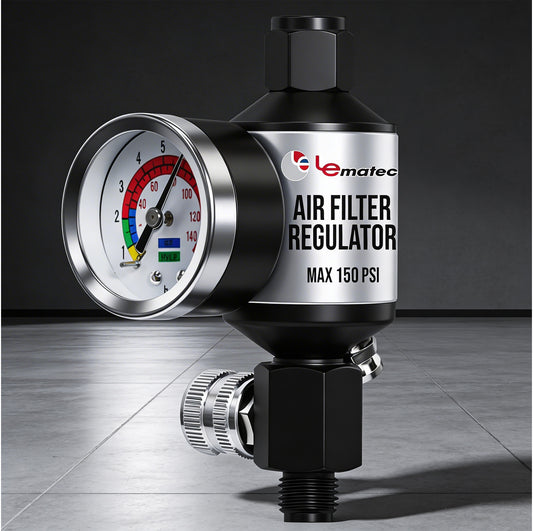
Do not rely on the regulator setting alone. A regulator controls supply pressure, but nozzle design determines how air behaves when the tip is blocked against a surface or accidentally pressed against skin. Check the blow gun and nozzle specifications before putting it into service. If the setup is old, unmarked, modified, or cobbled together from fittings, replace it with a purpose-built assembly.
Pressure also depends on the material. Light aluminum shavings and abrasive grit can travel farther than expected. Rust flakes can break apart and spread in unpredictable directions. If you need enough force to remove packed material from a component, consider whether a brush, vacuum, parts washer, or contained cleaning station is the safer option.
Do not use compressed air to clean your shirt, pants, gloves, boots, hair, or hands. The practice is fast, common, and unsafe. Air can drive dirt and metal particles into skin, force debris into eyes or ears, and inject air through a small cut you did not know was there.
The same rule applies to horseplay. Pointing a blow gun at another person is never acceptable, even if the trigger is only tapped and the pressure is low. Clothing does not provide meaningful protection from a directed air blast, and an injury can happen before anyone has time to react.
If clothing is dusty, step away from the work area and use a vacuum, brush, or other approved cleanup method. If your hands are contaminated with abrasive or metal debris, wash them. It takes longer than a blast of air, but it keeps debris out of your skin and out of the shop air.
A safe blow-down starts with a quick look at where the debris will go. Never direct air toward yourself, another person, an open doorway, a vehicle, a tool cart, or a shelf full of parts. Blow debris into a contained area whenever possible, or use extraction and vacuum cleanup instead.
Keep the nozzle angled away from the body and away from finished surfaces. A shallow angle is often more effective than blasting straight down because it lifts debris and moves it in a predictable direction. Short bursts give you more control than holding the trigger wide open.
Be especially careful around brake parts, bodywork, electrical components, and precision equipment. Compressed air can push contamination deeper into places where it causes problems later. It can also spread brake dust or other fine particles that should not be sent airborne. For those jobs, vacuuming or a controlled wet-cleaning method is usually the better call.
If you are working in a shared space, let others know before blowing off a part. A person walking behind you at the wrong moment should not discover your cleanup plan the hard way.
Safety glasses with side shields are the minimum for routine compressed-air cleaning. For work that can produce heavy chips, abrasive media, or unpredictable debris, use a face shield over safety glasses. A face shield alone is not enough because it does not seal around the eyes.
Hearing protection is worth considering whenever the task is loud, repeated, or performed in a confined shop. The whistle from a nozzle and the impact of debris on metal can add up over a workday. Gloves may protect against sharp material during handling, but they do not make it safe to blow air at your hands.
Your work area needs protection too. Use chip guards, barriers, and containment where debris can travel. Keep flammables, open containers, and sensitive electronics out of the blow-off path. If cleaning creates visible dust clouds, stop and change the method rather than trying to power through it.
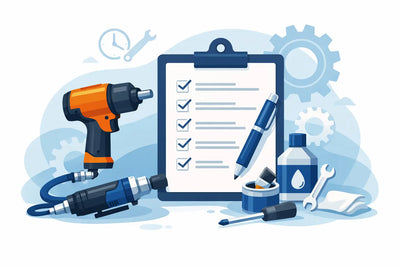
A reliable air system makes safer work easier. Before starting, inspect the blow gun, fitting, hose, and coupler. Look for cracked housings, damaged triggers, loose nozzle threads, worn seals, and hose cuts or bulges. A failed fitting can whip a hose or release air without warning.
Check these four items before using a blow gun:
There are times when a blow gun is simply the wrong tool. Do not use it to remove hazardous dust, lead-containing debris, asbestos-containing material, chemical residue, or unknown powder. Do not use it to clean a person, ventilate a confined area, or dry flammable liquids.
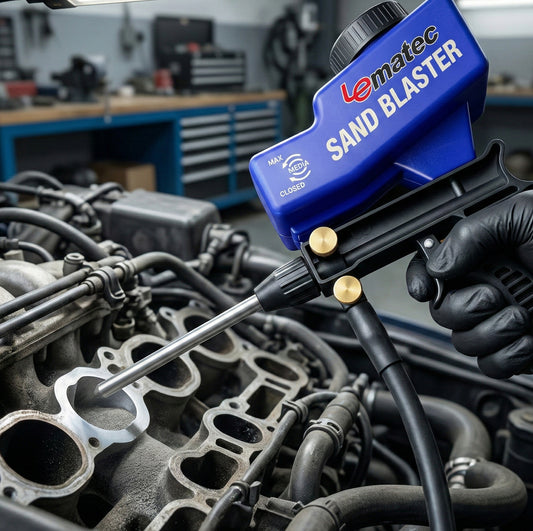
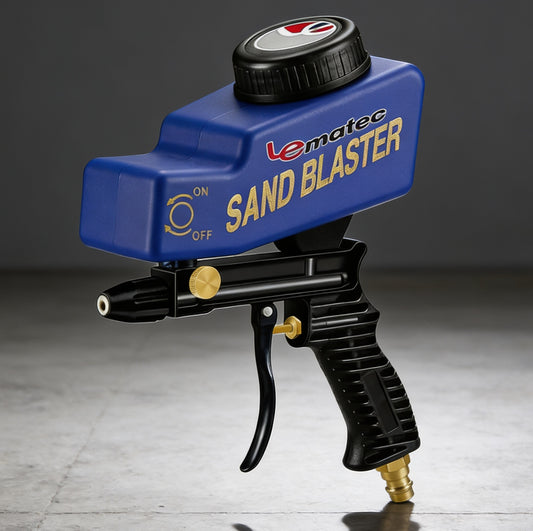
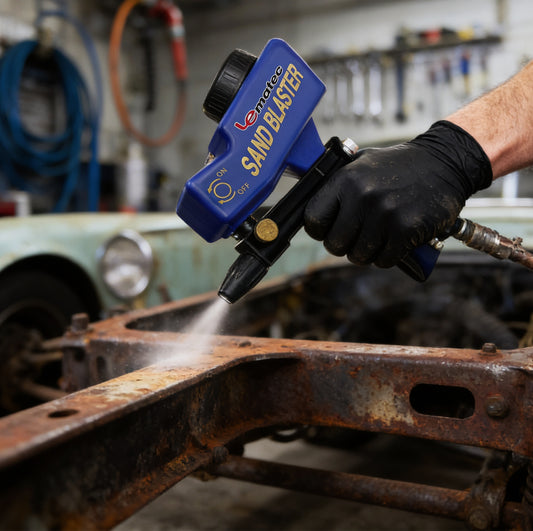
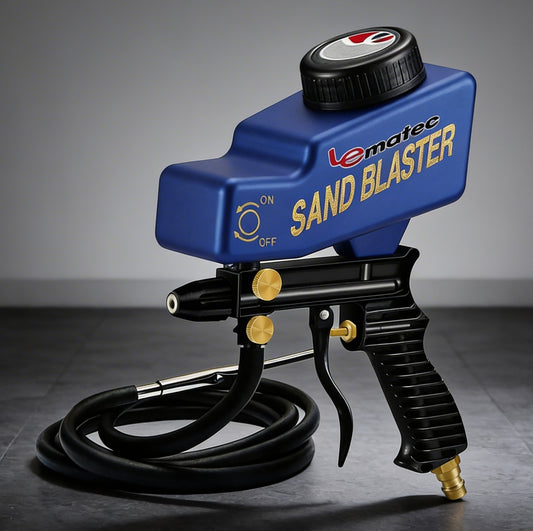
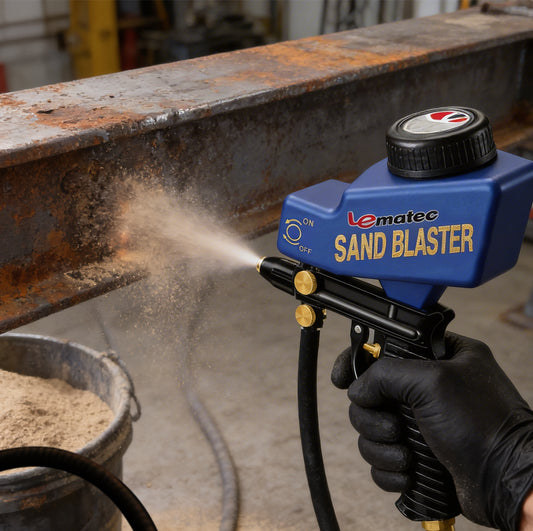
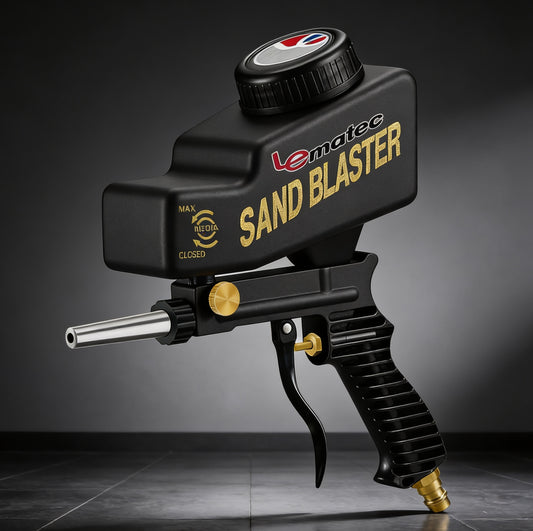
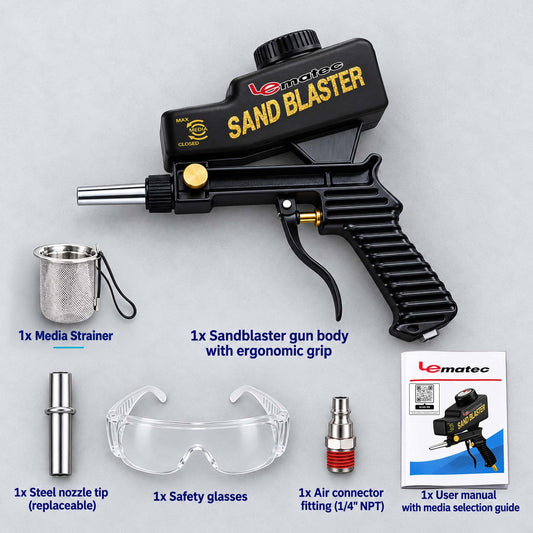
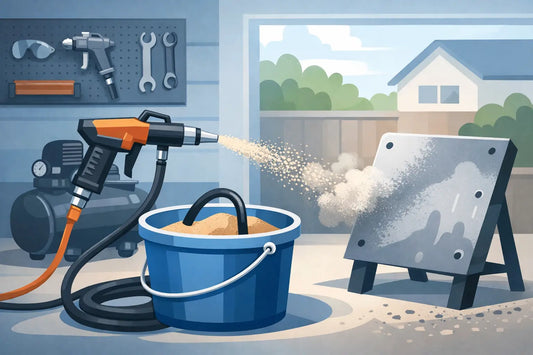
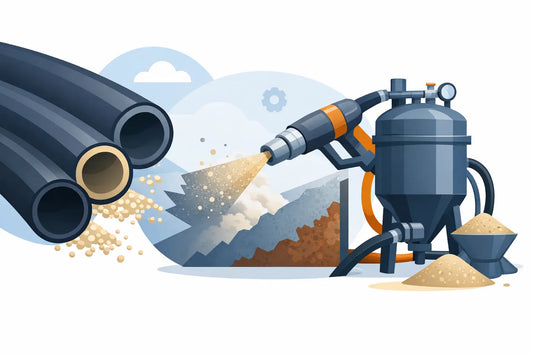
For sandblasting work, resist the temptation to use open-air blow-off as the main cleanup method. Abrasive media is aggressive, gets into bearings and threads, and can become a respiratory hazard when disturbed. Containment, vacuum recovery, and proper cleanup procedures protect both the workpiece and the people around it.
When cleaning machinery, think about where debris is lodged. Blowing chips deeper into a motor housing or under a seal may create a failure that does not show up until the next job. A vacuum with the right attachment often takes a few extra minutes but avoids expensive rework.
If compressed air contacts an eye, flush it with clean water and seek medical attention promptly, particularly if pain, blurred vision, or a feeling of trapped debris continues. Do not rub the eye or try to remove embedded material yourself.
For a suspected air injection injury, severe laceration, breathing issue, or sudden swelling after air contact, get emergency medical care immediately. Tell medical personnel that compressed air was involved. That detail matters because the injury can be more serious beneath the skin than it appears on the surface.
Good blow gun habits do not slow down a productive shop. They keep a routine task routine: set the pressure, use a safety nozzle, protect your eyes, control the debris, and choose a different cleanup method when air will create a bigger problem than it solves.


 AIR REGULATORS

 ACCESSORIES